Compare Amalfi Coast sailing tour types, from catamarans to skipper-led sailboats. Find the right eco-friendly option and know what to check before booking.
Who Sailing Tours Suit Best
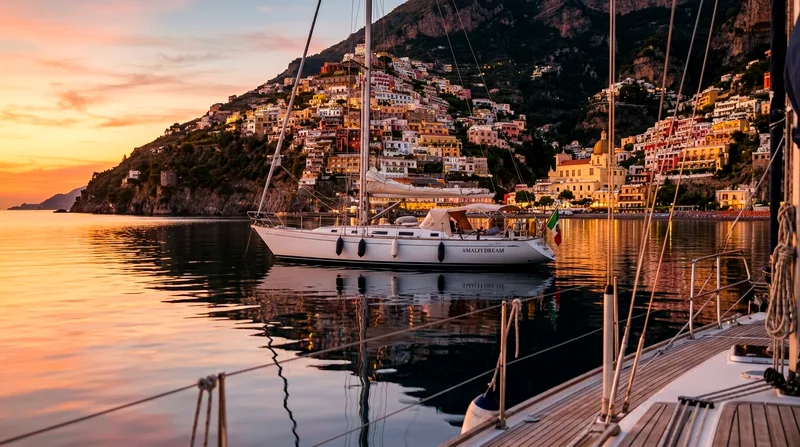
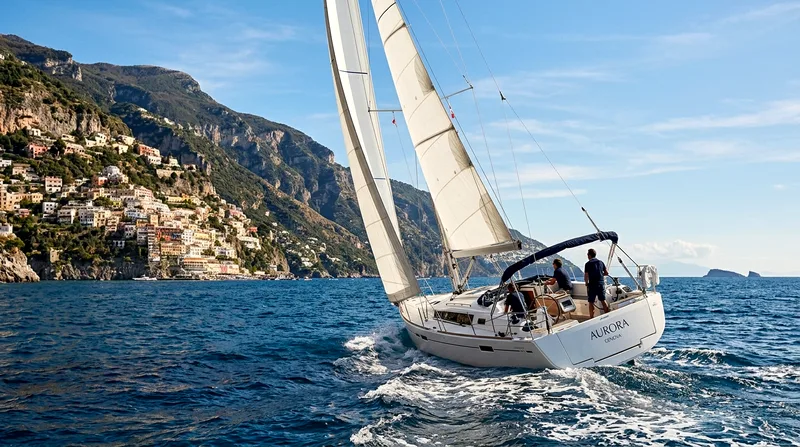
An Amalfi Coast sailing tour is not the fastest way to see Positano, Ravello's coastline, or the cliffs toward Capri — a motorized speedboat will always beat a sailboat on raw speed. What sailing offers instead is a different rhythm: engines off (or idling low) for long stretches, the boat heeling gently with the wind, and views of the coast that unfold rather than flash past. If you've done a packed land itinerary through Sorrento and Pompeii already and want one day that slows down, this is it.
It suits people who like being on the water more than people who just want to get somewhere on the water. That distinction matters. A family with young kids who get restless after 45 minutes won't love a five-hour sail with only one swim stop. A couple celebrating an anniversary, or a retired traveler who finds speedboats jarring on the spine, will likely prefer it a great deal.
Adventure seekers and active travelers
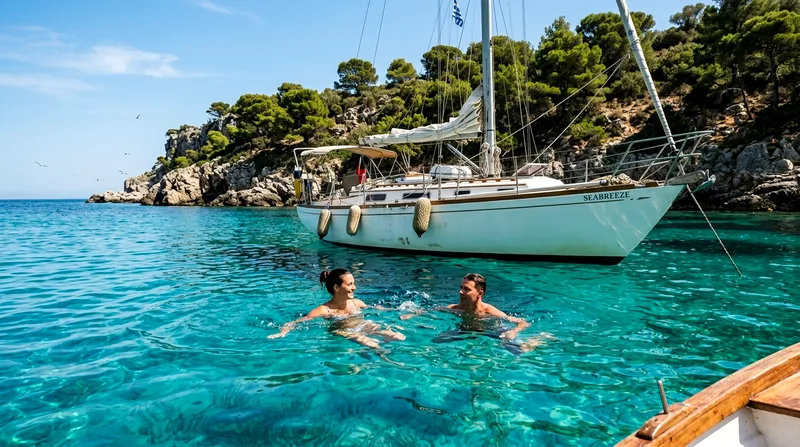
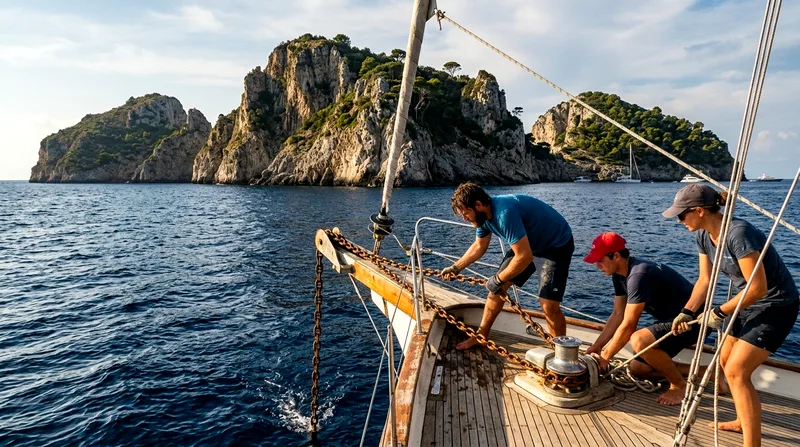
Sailing appeals to a specific kind of adventure traveler — not the adrenaline type looking for jet skis, but the one who wants some involvement in how the boat moves. Many skipper-led sailboat trips let guests help haul a line or take the helm briefly in calm water, something you'll never get on a chartered motor tour. If you want this, ask when booking whether hands-on participation is offered; not every crew allows it, and some trips are closer to a scenic cruise than a sailing lesson. Expect snorkeling stops near Fiordo di Furore or the Li Galli Islands to be part of most active-oriented itineraries, with swim breaks of 20–40 minutes each.
Eco-conscious and sustainable tourism travelers
Wind-powered sailing is genuinely the lower-impact option compared to diesel-heavy speedboat charters, particularly on longer routes like Salerno to Capri. A sailboat under full sail can cut engine use dramatically, and some operators now market themselves specifically around eco-friendly boat tours Amalfi Coast travelers are increasingly asking for — quieter anchoring near marine-protected coves, no-wake zones respected near Furore's fjord, and minimal plastic on board. Be a little skeptical of the word "eco" alone, though. Ask specifically how much of the route is sailed versus motored; a boat that motors 80% of the day and raises a sail for photos isn't offering much of an environmental edge.
Main Sailing Tour Categories
Sailboat trips on the Amalfi Coast break down into a handful of clear formats, and picking the wrong one is the most common booking mistake. People assume "sailing tour" means one standard product, then end up on a half-day hop when they wanted an overnight anchor-out experience, or vice versa.
Half-day and full-day sailboat trips
Half-day trips typically run around 4 hours and cover a short stretch — Positano to Praiano, say, with one swim stop. Full-day trips run 7–8 hours and can realistically combine Positano, the Li Galli Islands, and a lunch stop near Fiordo di Furore, sometimes continuing toward Capri if wind and time allow. Lunch is usually included on full-day trips (often a simple pasta-and-seafood spread cooked on board or a stop at a quayside restaurant), while half-day trips usually just offer drinks and snacks. If you're short on time or prone to boredom on the water, half-day is the safer bet; if you want real value per euro, full-day usually wins because the extra hours cost proportionally less than a second half-day booking.
Multi-day sailing itineraries
Multi-day sailing — typically 2 to 7 nights — lets you sleep aboard, anchor in quiet bays near Ischia or off Capri, and wake up somewhere different each morning. This is a genuinely different trip from a day sail, closer to a small-scale yacht charter than a tour. Expect shared cabins unless you book a private charter, communal meals, and a route that depends heavily on weather — captains will change the plan if the Tyrrhenian Sea kicks up. This format suits couples and small groups of friends far more than families with young kids, who tend to find multi-day confinement on a boat tough after day two. It's also the category where checking cancellation and rebooking policies matters most, since weather disruptions are more likely over several days than over one afternoon.
Private versus group sailing experiences
Group sailing tours put you with other travelers, usually 8 to 12 people, at a lower per-person cost. Private charters put the whole boat at your disposal — same boat size, often, but just your party — at a materially higher cost, sometimes three to four times the per-person group rate. Private makes sense for families who want control over stop timing, anyone celebrating something, or travelers who simply dislike sharing deck space with strangers for six hours. Group tours make more sense for solo travelers and budget-conscious couples, and they're honestly fine for most people — you still get the same cliffs, the same water, the same skipper expertise. The one real downside of group tours is less flexibility on timing and swim stops, since the itinerary has to work for everyone on board.
What to Look for When Booking
Not all listings calling themselves an Amalfi Coast sailing tour or Amalfi Coast catamaran tour deliver the same experience, and the details buried in the fine print matter more than the marketing photos.
Inclusions, group size, and cancellation policies
Check exactly what's included before comparing prices across listings — snorkeling gear, lunch, drinks, and hotel pickup from Positano or Salerno vary a lot between otherwise similar-looking trips. A listing that looks cheaper may simply exclude lunch or charge extra for equipment rental. Group size matters too: a catamaran sailing experience with 20+ passengers feels more like a ferry than a sail, while anything under 12 keeps it intimate and gives everyone a real shot at the bow seats. On cancellation policies, look for free cancellation windows of 24–48 hours before departure, which is standard for most reputable listings, and read how weather-related cancellations are handled — a full refund or free reschedule should be offered if the skipper cancels for safety reasons, not just a credit.
Skipper expertise and safety certifications
A skipper-led sailing Amalfi trip should mean exactly that — a licensed captain, not just a boat owner with a tourist permit. Look for mentions of RYA or Italian coastal skipper qualifications in the listing or reviews, and don't hesitate to ask directly if it's not stated. Life jackets for all passengers, a working radio, and a clear briefing before departure are basic safety standards, not bonuses. One thing worth avoiding: unmarked or unlicensed boats offered informally on the docks in Amalfi or Positano town. They're sometimes cheaper, but insurance coverage and safety equipment are harder to verify, and you have no recourse if something goes wrong.
When to Book Your Sailing Tour
Timing affects both the quality of the sail and how easily you can get a spot, and the two considerations pull in slightly different directions.
Seasonal considerations and weather windows
The sailing season on the Amalfi Coast runs roughly from April through October, with the Tyrrhenian Sea generally calmest from late May to mid-September. July and August bring the most reliable wind for actual sailing (rather than motoring) but also the most crowded anchorages near Li Galli and Capri. June and September offer a reasonable trade: still-warm water, fewer boats jostling for the same cove, and slightly better availability. Avoid booking a sailing-specific trip (as opposed to a motorboat tour) in early spring or late autumn — light or unpredictable wind means the crew may end up motoring most of the route anyway, which defeats the point if you specifically wanted to sail.
Advance booking recommendations
For July and August dates, book 4–6 weeks ahead if you want a specific boat or a private charter — small operators with popular catamarans sell out early in peak weeks. For shoulder season (May, June, September), 1–2 weeks ahead is usually enough, though weekends fill faster than weekdays. Multi-day charters need more lead time regardless of season, often 2–3 months ahead for the better-reviewed boats. Whatever the season, check current prices and availability directly on the booking platform before committing — rates shift with fuel costs, demand, and group size discounts, and what was listed last month may not hold.
Comparison Table: Sailing Tour Types
Here's how the main categories stack up against each other on the factors that actually affect your decision — duration, who they suit, and what trade-off you're accepting.
Full-day group sailboat trips offer the best balance of cost and coverage, while multi-day charters suit travelers who want to disconnect rather than sightsee on a schedule.
Amalfi Coast sailing tour types compared by duration, group size, and best use
| Tour Type | Typical Duration | Group Size | Best For | Main Trade-off |
|---|---|---|---|---|
| Half-day sailboat trip | approx. 4 hours | 8-12 people | Short visits, first-timers | Covers only one short stretch of coast |
| Full-day sailboat trip | approx. 7-8 hours | 8-12 people | Best overall value, families with teens | Long day on the water, sun exposure |
| Catamaran group tour | 4-8 hours | 12-20+ people | Budget-conscious groups, stability-seekers | Less intimate, fixed itinerary |
| Private sailboat charter | 4 hours to full day | Your party only | Families, celebrations, flexible timing | Highest per-person cost |
| Multi-day sailing itinerary | 2-7 nights | 2-10 people | Couples, small groups wanting slow travel | Weather-dependent, shared facilities unless private |
Durations and group sizes are typical ranges; always confirm exact details and current prices with the operator before booking.
Frequently asked questions
What is included in an Amalfi Coast sailing tour?
Most include the skipper, the boat, basic safety equipment, and at least one swim or snorkeling stop. Full-day trips commonly add lunch and soft drinks; half-day trips often don't. Snorkeling gear, hotel transfers, and alcoholic drinks are frequently extras — always check the listing's inclusions section rather than assuming, since this varies more than people expect between similarly priced trips.
Do I need sailing experience to join a tour?
No. Skipper-led trips are built for guests with zero sailing background — the crew handles the boat while you relax, swim, or opt to help with a line if you're curious. If you specifically want hands-on involvement, mention it when booking, since not every trip offers it and some are purely passenger experiences.
What is the best time to book a sailing tour?
For actual sailing conditions, aim for June through September, when Tyrrhenian winds are more consistent. For availability, book peak summer dates 4–6 weeks ahead and shoulder-season dates 1–2 weeks ahead. Multi-day charters need longer lead times, often two to three months for popular boats.
How do group and private sailing tours differ?
Group tours put you with other travelers at a lower per-person cost but a fixed itinerary and timing. Private charters give you the entire boat, full control over stops and pace, and significantly higher per-person cost — often three to four times a group rate for a similar boat and route.
What should I bring on a sailing tour?
Reef-safe sunscreen, a hat, a change of clothes, a light jacket for wind once the sun drops, and motion sickness tablets if you're at all prone to seasickness — sailboats roll more than motorboats in choppy conditions. Cash for any extras not included, like drinks or gear rental, is also worth carrying.