Pizza-Making Class Amalfi Coast: Where & How to Book
Planning a pizza making class Amalfi Coast trip? Compare wood-fired oven classes in Positano, Amalfi, and Naples — prices, timing, and booking tips.
10 min read · 9 Oct 2026
Tours & activities
Compare Amalfi Coast food and wine tours — cooking classes, vineyard tastings, market walks and limoncello workshops — by price, length and group size.
6 guides
The Amalfi Coast's legendary cuisine and local wines make it an ideal destination for food-focused travelers seeking hands-on culinary experiences, but the sheer range of options can be confusing before you've even landed in Naples. Do you want to cook, or do you want to be fed? Do you care about wine terroir, or are you really just after a good lemon grove photo and a limoncello shot? Those are different products, priced and structured differently, and conflating them is the most common booking mistake.
Amalfi Coast food and wine tours fall into a handful of clear categories: cooking classes, vineyard and wine tastings, food market or walking tours, and limoncello workshops. Some overlap — a cooking class in Positano might end with a limoncello digestif, a wine tasting near Furore might include a cheese board — but the core activity and time commitment differ enough that you should decide your priority first. This guide breaks down each category, who it suits, and what to check before you pay a deposit.
Not every food experience suits every traveler, and the coast's narrow roads and steep terraces make group dynamics matter more here than in a flat, walkable city like Florence. A six-person minibus winding up to Ravello feels very different from a seated class in an Atrani kitchen.
If you're traveling alone, a small-group cooking class — typically capped at six to ten participants — gives you built-in company without the commitment of a private guide. Market tours work well too, since the walking pace lets you chat with the guide one-on-one during quieter stretches. Avoid large coach-based wine tours if you're solo; you'll often be seated at the end of a long table with little interaction, and the per-person price doesn't drop enough to justify it. A two-hour tasting at a small vineyard near Furore or Tramonti, booked as an individual rather than through a bus tour, usually gives solo travelers better value and better photos.
Families with children under ten should lean toward pizza-making or pasta classes rather than formal wine tastings — most reputable operators welcome kids in the kitchen but won't adapt a vineyard tour for a bored eight-year-old. Look for classes advertised as two to three hours, since anything longer tests younger attention spans regardless of how good the food is. Large groups of eight or more — extended families, multigenerational trips — should ask specifically about private bookings; many market and cooking experiences can be run exclusively for your party at a flat rate, which often works out cheaper per head than ten people joining ten individual slots at full price.
Four categories cover almost everything marketed under "Amalfi Coast food and wine tours." Knowing the differences before you search saves time and prevents booking the wrong length or intensity of experience.
Cooking classes and market walks suit most travelers best, while vineyard tours demand more planning around mobility and transport.
Amalfi Coast food and wine tours compared by type, duration and group size
| Tour Type | Typical Duration | Group Size | Best For | Watch Out For |
|---|---|---|---|---|
| Cooking class | 2-4 hours | Small group (6-10) or private | Families, couples, solo travelers | Some are demos, not hands-on |
| Wine/vineyard tour | 1.5-5 hours | Small group or private | Couples, wine-focused travelers | Steep terraces, limited accessibility |
| Food market tour | 2-3 hours | Small to medium group | Solo travelers, first-time visitors | Grazing portions, not a full meal |
| Limoncello workshop | 1-1.5 hours | Small group, often add-on | Anyone short on time | Thin content if booked alone |
Durations and group sizes are typical ranges; always confirm specifics and current prices when booking.
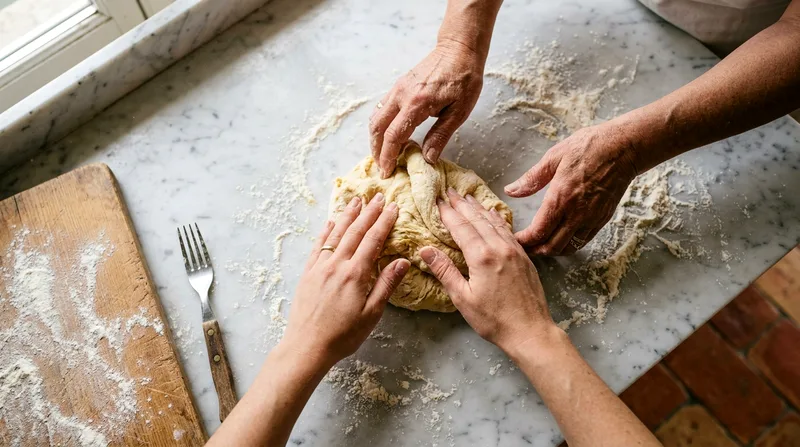
This is the most popular category, and for good reason — you leave with a skill, not just a full stomach. Classes typically run two to four hours and focus on regional staples: hand-rolled scialatielli pasta, the local seafood-and-lemon combinations, or Neapolitan-style pizza if you're closer to Sorrento or Naples. Many take place in private homes or small family-run venues in towns like Praiano or Atrani rather than commercial kitchens, which adds charm but also means smaller capacity — book these further ahead than you'd think necessary in peak summer. Most include a shared meal of what you cooked, often paired with local wine. What I don't love: some shorter one-hour "classes" are really demonstrations dressed up as hands-on cooking — check the description for how much actual prep work you do versus watching.
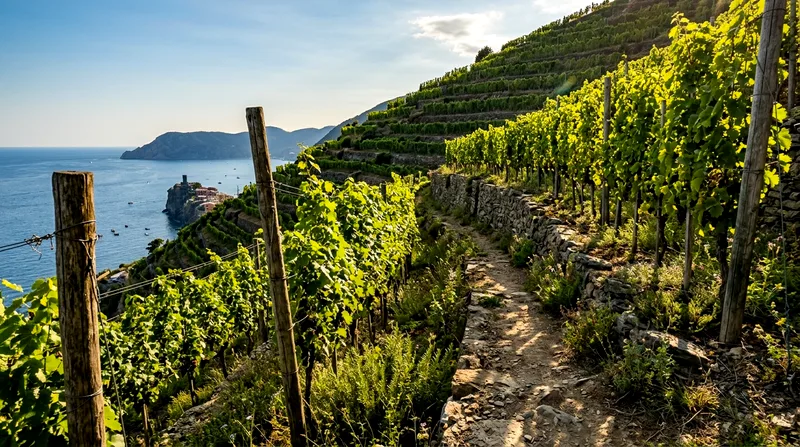
Campania isn't as internationally famous for wine as Tuscany or Piedmont, but the Amalfi Coast has its own terraced vineyards, particularly around Furore, Tramonti, and the hills above Ravello, producing whites and reds grown on vines that cling to near-vertical slopes. These tours run from a focused ninety-minute tasting of three to five wines up to half-day excursions combining two vineyards with lunch. The scenery is the real draw for many visitors — tasting a Furore Bianco while looking down at the Tyrrhenian Sea is a genuinely different experience from a cellar tasting inland. The trade-off is accessibility: several vineyards sit on steep terraces reached by stairs, so ask about mobility if that's a concern for senior travelers in your group.
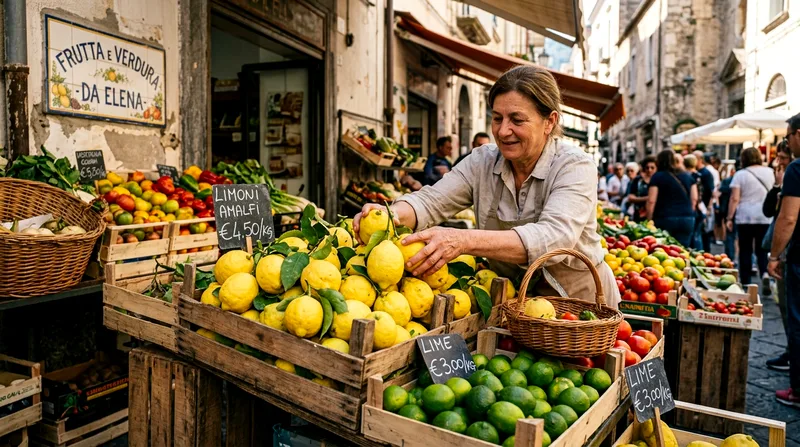
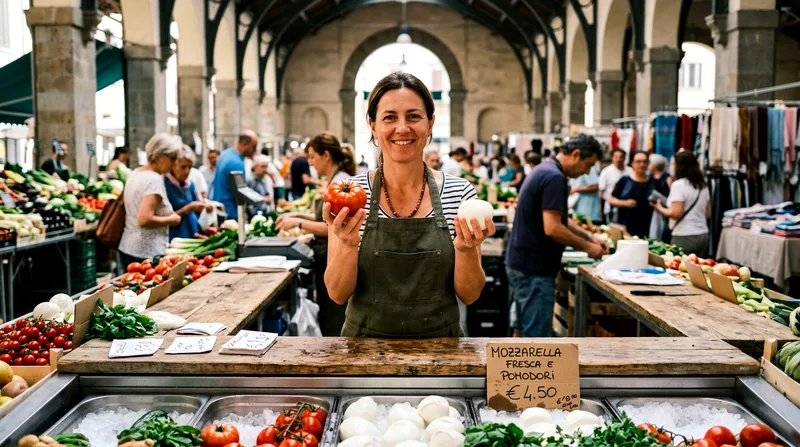
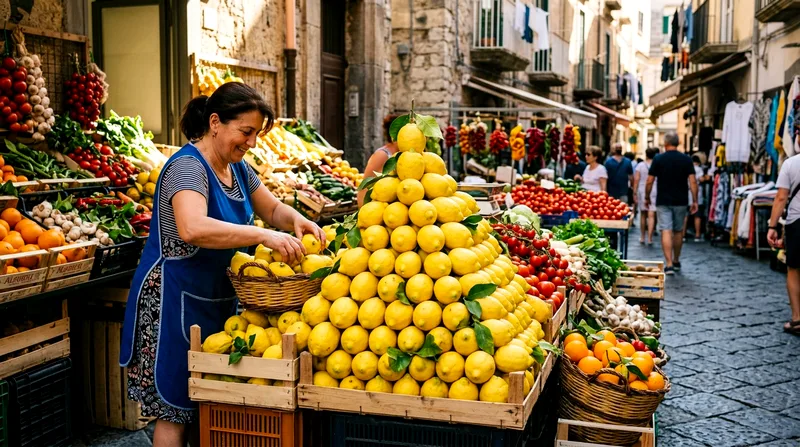
These walking tours move you through a town's food shops, delis, and stalls, sampling cheese, cured meats, olive oil, and pastries along the way rather than sitting down for one big meal. They suit travelers who want variety and movement over a single formal sitting, and they're generally the most budget-friendly category per hour of entertainment. Amalfi town and Positano both run versions of this, often lasting two to three hours. The downside is portion control — you're grazing, not dining, so if you want a proper sit-down meal this shouldn't be your only food activity of the day.
Limoncello is practically a regional symbol here, made from the large, thick-skinned lemons grown on terraces between Amalfi and Positano. Workshops usually run sixty to ninety minutes, covering how the liqueur is made (zest infused in alcohol, then combined with sugar syrup) and finishing with tastings of limoncello alongside other local digestifs like concerto or finocchietto. These are often add-ons to a cooking class rather than standalone bookings, and treated as a standalone activity they can feel thin on content for the price — I'd pair one with a market tour or cooking class rather than booking it alone unless time is genuinely tight.
Once you've picked a category, the details in the listing matter more than the marketing photos. A few specific checks will save you from a disappointing afternoon.
Read exactly what's included, not just implied. "Tasting" can mean a full plated course or a single bite-sized sample — the word alone tells you nothing. Check whether wine or water is included or charged separately, whether the meal is a snack, a course, or a full multi-course lunch, and whether dietary restrictions are genuinely accommodated or just tolerated. Vegetarian travelers should specifically confirm with cooking classes built around seafood, since substituting the main component can change the whole lesson. Transport is another detail easy to miss: some vineyard tours include pickup from Positano or Amalfi town, others expect you to arrange your own way up narrow access roads, which isn't realistic if you don't have a rental car or private driver.
Private tours cost more per person but give you control over pace, dietary needs, and timing — useful for families juggling nap schedules or senior travelers who need more frequent breaks. Group tours are cheaper and often more social, but you're locked into someone else's schedule and the group's slowest or fastest member. As a rough guide, anything advertised as "small group" without a number attached should prompt a direct question to the operator — six people and sixteen people are very different experiences marketed with the same vague phrase.
Weather affects outdoor vineyard tours and boat-linked food experiences more than indoor cooking classes, so check the cancellation window before paying — many reputable listings offer free cancellation up to 24 hours in advance, but some smaller family-run operations require 48 to 72 hours notice because they're buying ingredients specifically for your booking. If you're booking during shoulder season storms in October or November, prioritize listings with flexible rebooking rather than strict no-refund terms. Always compare current prices and cancellation terms before you book, since policies vary operator to operator and change over time.
Timing affects both availability and quality here. Peak season — June through September — brings the best weather for outdoor vineyard tastings but also the tightest kitchen space for cooking classes in small towns like Atrani and Praiano, where venues might host only one or two sessions a day. Book cooking classes and popular vineyard tastings at least two to three weeks ahead for summer dates; a month ahead is safer if you have a fixed itinerary built around Ravello or Positano and no flexibility to shift days.
Shoulder season — April, May, and late September into October — offers a real advantage for food tours specifically: lemon and grape harvests align with some of the most interesting market and vineyard activity, temperatures are manageable for walking tours, and availability loosens enough that you can often book a week or two out rather than a month. Winter is quieter still, and while some operators pause entirely between December and February, others — particularly cooking classes in towns with year-round populations like Amalfi and Positano — run on reduced schedules. If you're visiting Naples or Pompeii as part of a broader Campania trip, winter food tours on the coast itself are worth checking individually rather than assuming they're closed.
It depends heavily on category. Cooking classes usually include ingredients, instruction, and the meal you prepare, often with wine. Market tours include a series of tastings along the route but rarely a full sit-down meal. Always check the specific listing — "food tour" is used loosely and can mean anything from a snack-sized sampling to a four-course lunch.
Small-group classes, typically six to ten people, work well for solo travelers because they create natural conversation without requiring you to book a private session. Groups of four or more, especially families, often get better value booking a private class instead, since the flat group rate can undercut multiple individual bookings.
Book two to three weeks ahead for summer (June-September), especially for small-venue cooking classes in towns like Atrani or Praiano. Shoulder season (April-May, late September-October) usually allows booking one to two weeks out. Winter availability is more limited but less competitive.
Group tours run on a fixed schedule with other travelers, cost less per person, and suit social travelers comfortable with a set pace. Private tours cost more but adapt to your timing, dietary needs, and group size — generally the better choice for families with young children or anyone needing a flexible schedule.
Mostly yes, though options narrow in winter. Many vineyard tours pause or reduce frequency between December and February when terraces aren't actively growing, while cooking classes in year-round towns like Amalfi and Positano often continue with smaller schedules. Confirm directly with the listing rather than assuming a seasonal closure.
Planning a pizza making class Amalfi Coast trip? Compare wood-fired oven classes in Positano, Amalfi, and Naples — prices, timing, and booking tips.
10 min read · 9 Oct 2026
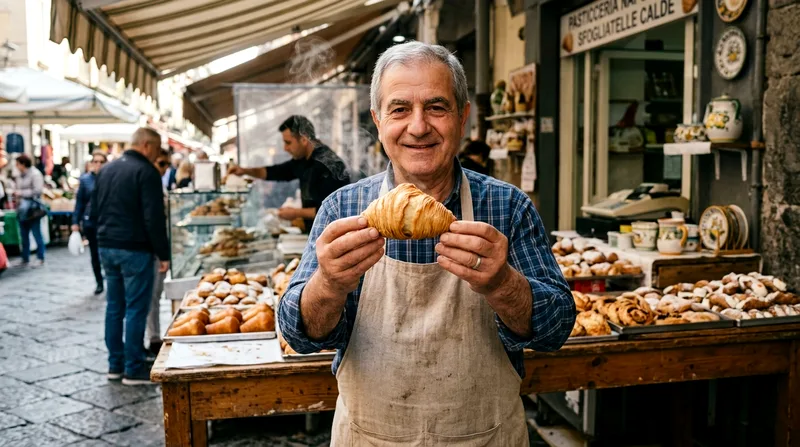
Discover the best street food tours on the Amalfi Coast. Budget-friendly guided tastings perfect for solo travellers and families. Book your food walk today.
7 min read · 9 Oct 2026
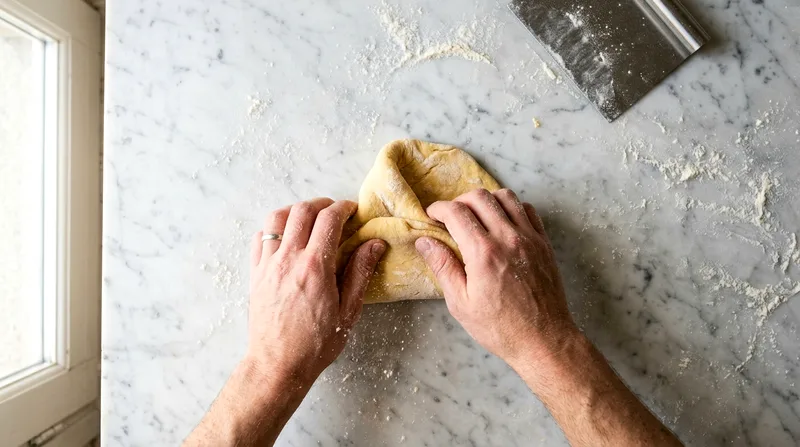
Compare food tours and cooking classes on the Amalfi Coast. Decide based on time, cost, effort, views, and crowds. Find your perfect food experience.
8 min read · 9 Oct 2026
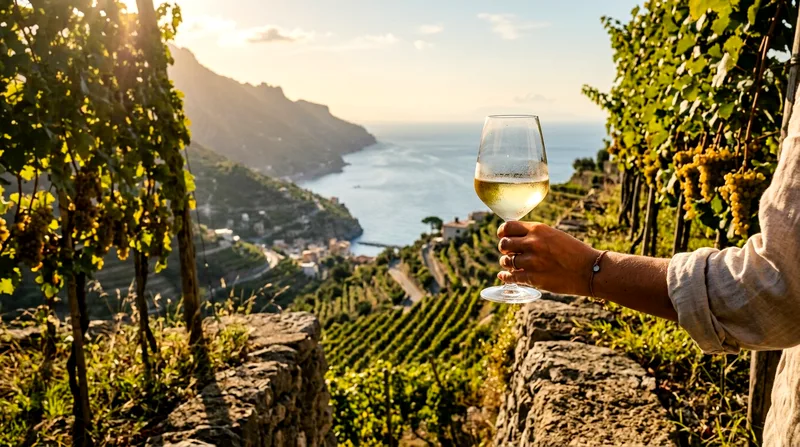
Explore terraced vineyards and DOC wines on an Amalfi Coast wine tasting tour. Compare group, private, and pairing tours with booking tips.
8 min read · 9 Oct 2026
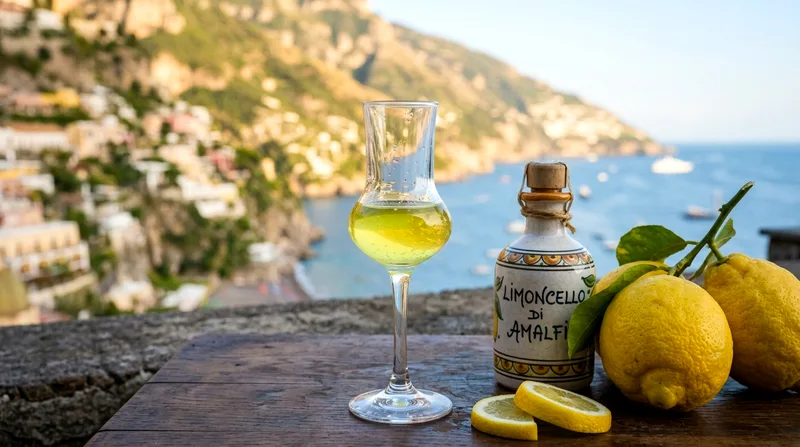
Compare Amalfi Coast limoncello tour types — lemon grove walks, distillery visits, workshops — and learn what to check before booking.
9 min read · 9 Oct 2026
Compare Amalfi Coast cooking class options by town, format, and price. Home kitchens, restaurants, and farm-to-table classes reviewed honestly.
9 min read · 9 Oct 2026