Compare Amalfi Coast cooking class options by town, format, and price. Home kitchens, restaurants, and farm-to-table classes reviewed honestly.
Who Each Cooking Class Type Suits
An Amalfi Coast cooking class isn't one product — it's three fairly different experiences wearing the same marketing language. Home-kitchen classes, restaurant-hosted sessions, and farm-to-table or market-based experiences differ enough in pace, intimacy, and cost that picking the wrong one means disappointment, not just a mediocre meal.
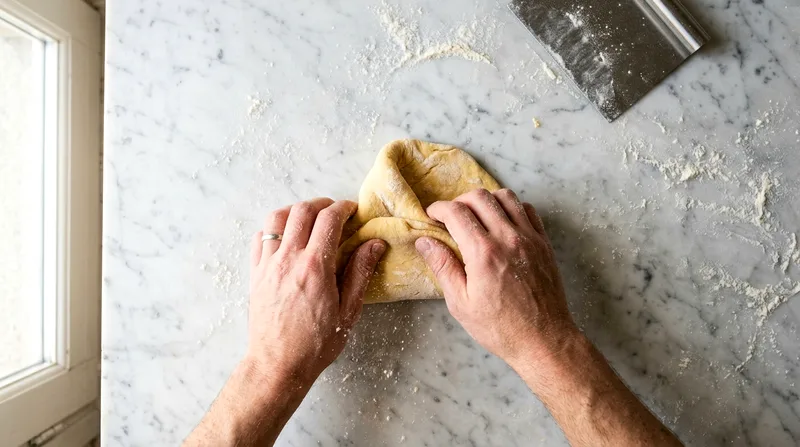
The core decision is really about group size and how hands-on you want to be. If you want to actually knead dough, shape orecchiette, and ask questions without competing for the instructor's attention, you want a small home-kitchen setup — often capped at six to ten people. If you'd rather watch a skilled chef work while picking up techniques in a professional setting, a restaurant class suits you better, though you'll do less with your own hands. Farm-to-table and market classes sit somewhere else entirely: they're as much about sourcing ingredients as cooking them, and they usually run longer because of the shopping or harvesting component.
Families should weigh energy levels realistically. A three-hour restaurant class with a seated five-course meal afterward can exhaust a seven-year-old. A shorter, two-hour pizza-and-pasta session in a home kitchen, with kids rolling dough alongside adults, tends to hold attention better. Solo travelers often do best in restaurant or market classes, where the group format creates built-in conversation, versus a home-kitchen class that can feel oddly intimate if you're the only solo guest among couples.
Home-kitchen classes for small groups
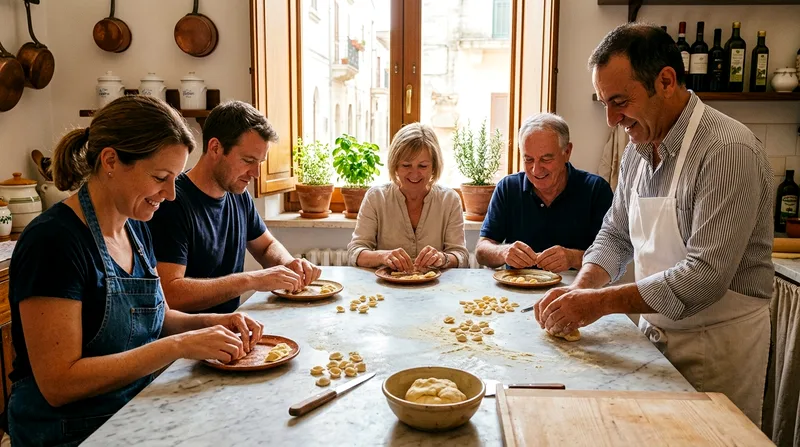
Home-kitchen classes, often held in a private residence or converted family kitchen in Praiano, Atrani, or the hills above Amalfi, work best for couples, small families, and groups of friends traveling together. Expect two to four hours, a menu of three to four dishes — typically a fresh pasta, a seafood or vegetable second course, and a dessert like a lemon tart — and a genuinely hands-on pace where you're doing most of the chopping and rolling yourself. The trade-off is logistics: these are often outside town centers, so you'll need a taxi or rely on host-arranged transport, and group sizes are capped, which means they sell out faster in June through September. If you dislike cooking in close quarters with strangers, ask in advance whether the booking is private or shared.
Restaurant classes for culinary enthusiasts
Restaurant-hosted classes suit travelers who want professional technique over hand-holding — think proper knife skills, pasta machine use, and plating guidance from someone who cooks for a living, not just for guests. These run in actual restaurant kitchens in Amalfi, Sorrento, or Positano, usually mid-morning before service, and groups can run larger, sometimes 10 to 15 participants split into stations. You'll typically eat what you cook, paired with local wine, and the finished meal tends to be more polished than a home-kitchen version. The downside: you get less individual attention, and some of these classes lean toward demonstration with brief hands-on moments rather than start-to-finish cooking. If that's not what you want, ask directly what percentage of the class is hands-on before booking.
Cooking Class Categories Compared
Beyond venue, the bigger split is in format and sourcing. A restaurant class and a home-kitchen class can teach the same dishes, but a farm-to-table or market-based class changes the entire structure of your morning or afternoon.
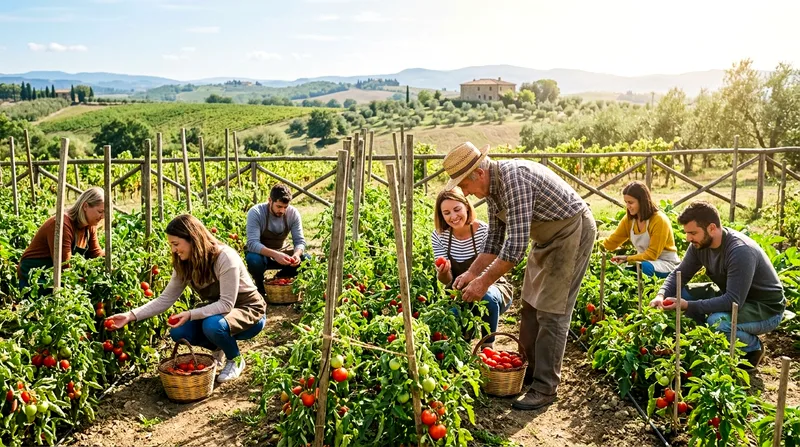
Home-kitchen classes suit small groups wanting hands-on practice, while farm-to-table and market classes trade a longer day for more context and sourcing.
Amalfi Coast cooking class types compared by duration, group size, and price range
| Class Type | Typical Duration | Group Size | Skill Level | Price Range (per person) | Best For |
|---|---|---|---|---|---|
| Home-kitchen | 2-4 hours | 4-10 | Beginner to intermediate | €70-130 | Couples, small families, hands-on learners |
| Restaurant-hosted | 2-3 hours | 8-15 | Beginner to intermediate | €80-150 | Solo travelers, culinary enthusiasts, groups |
| Farm-to-table | 4-5 hours | 6-12 | Beginner | €100-180 | Slow-travel couples, food-focused families |
| Market-to-table | 3-5 hours | 4-10 | Beginner | €90-160 | Curious cooks, European travelers wanting local context |
Figures are typical ranges based on common regional pricing patterns; always check current prices and inclusions before booking.
Home-kitchen vs. restaurant-hosted
Home-kitchen classes generally cost less per person than restaurant versions, largely because overhead is lower and groups are smaller — though smaller groups can also mean a higher per-head price if the host doesn't fill the session. Restaurant classes often include wine pairings and a more formal multi-course finish, which can justify a higher price if you value the dining experience as much as the cooking. One real drawback of restaurant classes: timing is fixed to the kitchen's prep schedule, so you can't linger, while home-kitchen hosts are often more flexible about running late if the group is engaged. Neither format is objectively better — it depends whether you're there to learn or to be looked after.
Farm-to-table and market-based classes
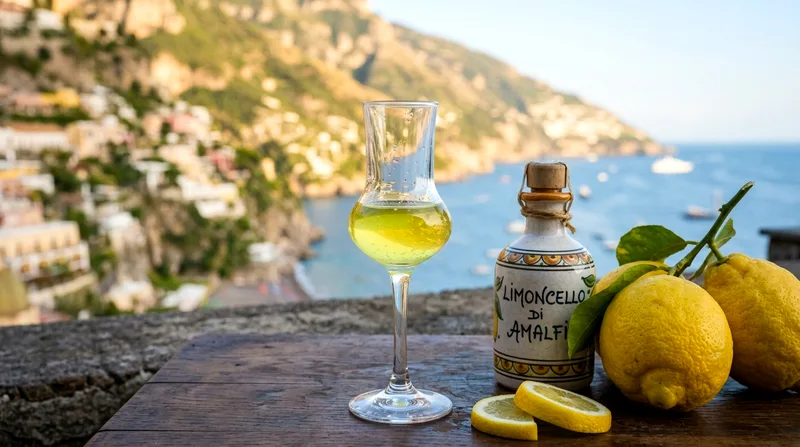
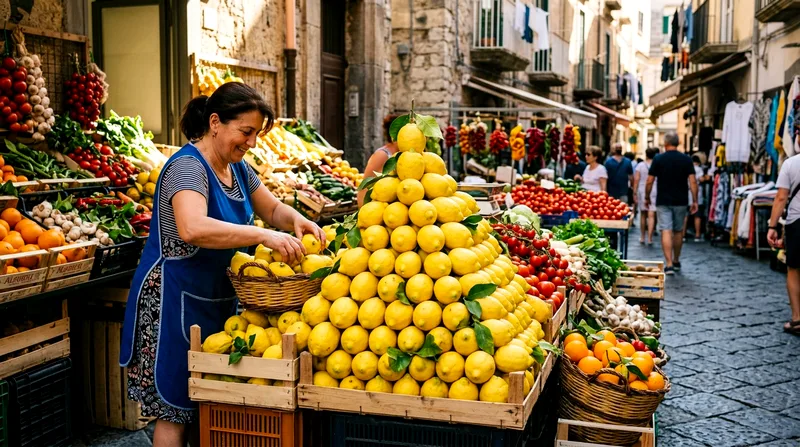
Farm-to-table classes, common around Minori, Furore, and Conca dei Marini where terraced lemon groves and vegetable plots back onto working farmhouses, add a harvesting or foraging segment before cooking starts. Market-based classes instead begin at a local produce stall — sometimes in Salerno or Amalfi town — where you select tomatoes, lemons, and herbs before heading to the kitchen. Both formats run longer, often four to five hours total, and cost more because of the added activity. They're worth it if you want context — seeing where Amalfi's famous lemons actually grow changes how you think about a limoncello tiramisu — but they're a poor fit if you're short on time or have mobility issues, since farm visits often involve uneven terraced paths and stairs.
What to Look for When Booking
The class description rarely tells you what you actually need to know. Two things decide whether a class is worth the money: what's genuinely included, and how the group and policies are structured.
Class inclusions and meal components
Check whether the price includes wine — many home-kitchen and restaurant classes do, but market-based ones sometimes charge extra for pairings. Confirm how many dishes you'll actually cook versus how many arrive pre-prepped; some budget classes have you make one pasta shape while the antipasti and dessert are already done. Ask if the meal afterward is the food you cooked or a separate tasting menu — this matters more than it sounds, since eating your own work is usually the point. Dietary accommodation varies widely: gluten-free pasta substitutions are common, but ask ahead rather than assuming, especially for farm-to-table classes with fixed seasonal menus.
Group size, duration, and cancellation policy
Smaller isn't automatically better value — a four-person class costs more per head than a twelve-person one covering the same ground. Decide what matters more: attention or price. On cancellation, look closely at the refund window; many Amalfi Coast operators allow free cancellation up to 24-48 hours before start time, but weather-dependent outdoor components (market walks, garden harvests) sometimes have stricter rules since ingredients are bought in advance. Avoid any listing that's vague about start location — "meet in Positano" without an exact address usually means a last-minute WhatsApp message, which is stressful if you're also managing kids or train connections from Sorrento.
Best Towns for Cooking Classes
Location changes both the price and the character of a class, partly because of real estate costs and partly because of what's grown nearby.
Positano and Ravello options
A cooking class in Positano tends to run at the higher end of the price range, reflecting the town's general cost level — expect to pay a premium similar to what you'd notice on a Positano restaurant bill. Classes here often happen in cliffside homes with sea views, which is part of the appeal but means more stairs than almost anywhere else on the coast. A Ravello cooking class, by contrast, often has a quieter, more rural feel since Ravello sits higher up and away from the beach crowds — gardens and villa settings are common, and classes here lean toward slower-paced, ingredient-focused formats rather than quick group sessions. If you're staying in Ravello already for the villas and gardens, pairing that with a cooking experience makes more sense than detouring down to the coast and back.
Amalfi town and surrounding villages
An Amalfi cooking class benefits from the town's working harbor — seafood classes here can be genuinely fresh rather than theoretical. Nearby, Minori has a quieter, more local reputation for pasta-making traditions, and classes in smaller villages like Furore or Conca dei Marini often cost less simply because they're harder to reach and see less tourist traffic. Atrani, just a short walk from Amalfi, occasionally hosts smaller home-kitchen sessions that don't show up prominently in searches — worth checking if you want something less polished and more neighborhood-feeling. Avoid assuming "Amalfi Coast" listings are actually on the coast; some are run from Salerno or inland Sorrento with transport included, which can eat an hour each way.
When to Book Your Class
Booking timing matters more here than for a boat tour or a museum ticket, because class sizes are small and ingredients are often bought to order. For visits between June and September, book four to six weeks ahead if you have a specific date or town in mind — Positano and Ravello classes with sea or garden views fill fastest. Shoulder season, April-May and September-October, is genuinely the best window: produce is excellent, prices are typically lower, and two weeks' notice is usually enough.
Winter classes exist but are thinner on the ground, since some hosts close between November and March. If you're traveling then, farm-to-table options may be limited by what's actually growing — citrus is in season, but the tomato-heavy dishes that define summer menus won't be as fresh. Compare that to Cinque Terre or inland Tuscany cooking schools, which often run year-round with more consistent indoor setups; the Amalfi Coast is more seasonal and weather-dependent, particularly for anything outdoors. Always check current prices and availability directly before booking, since small-group classes can sell out weeks ahead in peak months even when the listing still shows as "available."
Frequently asked questions
What's included in an Amalfi Coast cooking class?
Most classes include ingredients, instruction, and the meal you cook, eaten together at the end. Wine is often included in home-kitchen and restaurant classes but sometimes costs extra in market-based ones. Transport, market shopping, and recipe cards vary by class — check the listing's inclusions section rather than assuming.
Are cooking classes suitable for beginners?
Yes — most Amalfi Coast cooking classes are designed for people with no prior pasta-making or Italian cooking experience. Instructors typically demonstrate each step before you try it. If you want a genuine challenge, farm-to-table classes with more advanced techniques exist, but they're the exception, not the norm.
What's the difference between home-kitchen and restaurant classes?
Home-kitchen classes are smaller, more hands-on, and held in a private residence, often with a more casual pace. Restaurant classes happen in a professional kitchen, sometimes with larger groups and less individual attention, but with more polished technique instruction and a formal multi-course meal afterward.
How far in advance should I book?
Book four to six weeks ahead for June through September, especially in Positano or Ravello. For April-May or September-October, two to three weeks is usually sufficient. Winter classes need less lead time but have fewer dates available overall.
Can families with children join cooking classes?
Many classes welcome children, particularly shorter home-kitchen sessions focused on pizza or fresh pasta, which run two to three hours rather than four or five. Confirm the minimum age directly with the listing, since knife use and hot stovetops mean some hosts set age limits around seven or eight.