Planning a pizza making class Amalfi Coast trip? Compare wood-fired oven classes in Positano, Amalfi, and Naples — prices, timing, and booking tips.
What Is a Pizza-Making Class?
A pizza making class on the Amalfi Coast is a hands-on session, usually two to three hours, where a local cook or pizzaiolo teaches you to make dough, shape a base, and top it before it goes into a wood-fired oven. You eat what you make, usually with wine or a soft drink included, and most sessions run in small groups of 8 to 20 people on a terrace, in a village courtyard, or inside a family-run restaurant's kitchen.
This isn't a culinary school course. Don't expect to walk away able to run a pizzeria — the dough has usually been pre-fermented for hours before you arrive, because real Neapolitan dough needs 8 to 24 hours of rising time that no two-hour tourist class can replicate. What you're actually learning is shaping technique, topping balance, and oven timing, which is still genuinely useful and fun to watch.
Hands-on dough preparation and topping selection
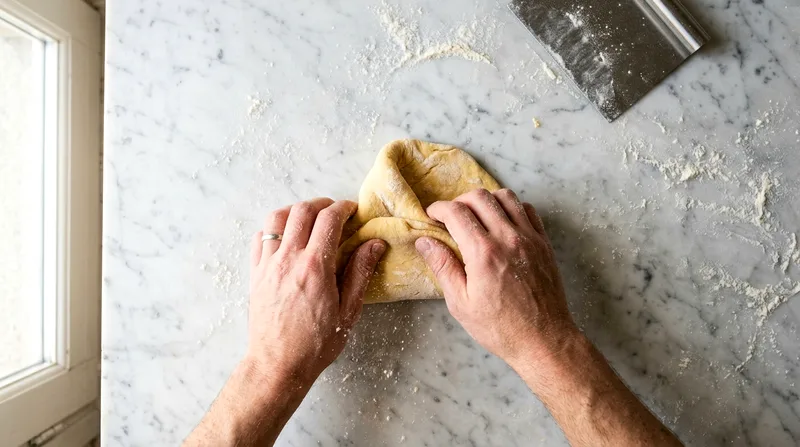
You'll typically work with a ball of dough that's already proofed, learning to stretch it by hand rather than roll it — rolling pins compress the air bubbles that make a good crust, so a decent instructor will correct you quickly if you reach for one. Toppings are laid out buffet-style: San Marzano tomatoes, fior di latte or buffalo mozzarella, basil, and regional extras like local sausage or friarielli (a bitter green common around Naples). Classes aimed at families usually keep topping choices simple — Margherita and a basic salami pizza — while adult-focused sessions sometimes add a step on sauce reduction or dough hydration ratios.
Wood-fired oven cooking and eat-what-you-make format
The oven is the real show. A proper wood-fired oven runs at 400-485°C (750-900°F), which cooks a thin Neapolitan-style pizza in 60 to 90 seconds — fast enough that you won't be the one managing the fire or the peel unless the operator explicitly offers that as part of the session. Most instructors handle the actual baking themselves for safety and speed, calling you up to watch your pizza go in and come out. You eat at shared tables afterward, which is where the family-friendly part really shows: kids get to see their lopsided pizza baked and served like everyone else's.
Why Take a Pizza Class on the Amalfi Coast
You could take a pizza class anywhere in Italy, so the honest question is why do it here specifically. The answer is mostly about what surrounds the activity rather than the cooking itself — ingredients grown nearby, a dramatic setting, and the fact that it slots naturally into an evening when the beaches and boat trips are done for the day.
Authentic ingredients and traditional techniques
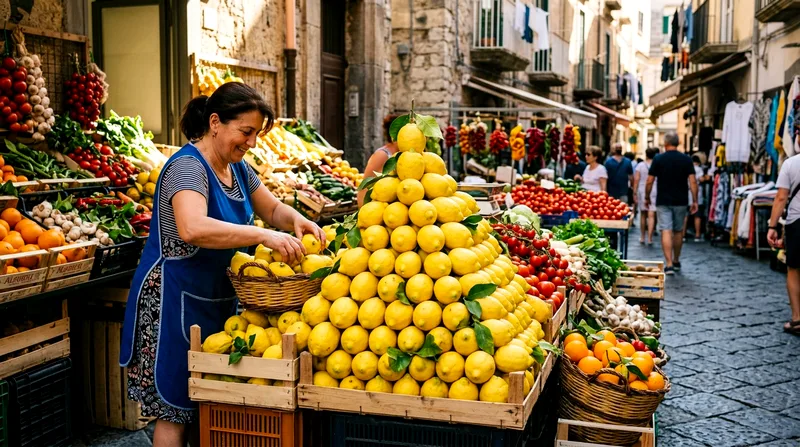
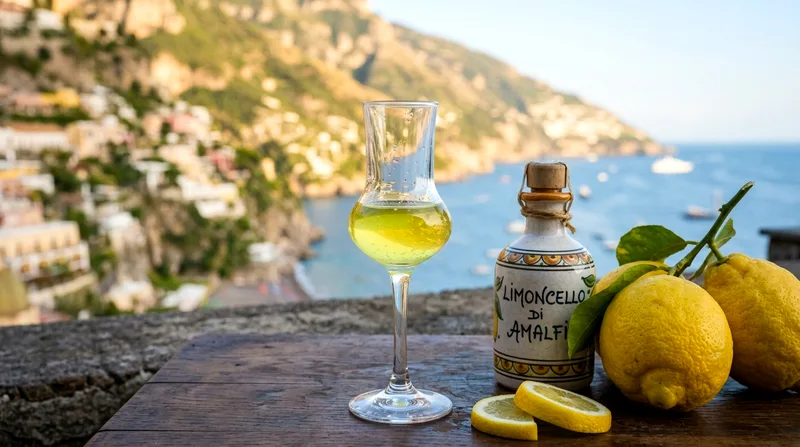
The Amalfi Coast and Campania region sit near some of the ingredients that define Italian pizza: San Marzano tomatoes grow in volcanic soil near Mount Vesuvius, buffalo mozzarella comes from dairies around Paestum and the Sele plain south of Salerno, and Sfusato Amalfitano lemons flavor everything from desserts to the occasional creative pizza topping. A class run by a family that's been making pizza for two or three generations will talk you through why Campania's ingredients matter — it's a reasonable claim, since Naples is where modern pizza was codified in the 18th and 19th centuries, long before it became a global dish.
Scenic coastal location and cultural immersion
A class on a terrace in Praiano or Furore with the sea below is a different experience than the same lesson in a Naples basement kitchen, even if the dough recipe is identical. Positano classes often lean into this, charging a premium for the view and the setting rather than the content of the lesson — which is fine if that's what you're paying for, less fine if you assumed you were paying for a more serious culinary education. If atmosphere matters more to you than instruction depth, Positano or Ravello deliver it. If you want the pizza-making wrapped in genuine local history and lower prices, Naples or Salerno are the better call.
How to Visit: Independent vs. Guided Tours
You have two real options: book directly with a pizzeria or agriturismo that runs its own classes, or book through a tour operator that bundles the class with transport, a guide, and sometimes a village walk beforehand. Neither is objectively better — it depends on how much hand-holding you want and whether you're driving yourself along the coast.
Naples offers the most authentic, lowest-cost pizza classes, while Positano and Ravello charge more for the coastal setting rather than deeper instruction.
Pizza making class Amalfi Coast locations compared: setting, price, and best for
| Location | Typical price (per person) | Setting | Best for |
|---|---|---|---|
| Naples | €35-55 | Indoor kitchen, historic center | Authenticity, lower cost, pairing with a food tour |
| Positano | €60-90 | Terrace with sea view | Couples, special-occasion evenings |
| Amalfi town | €45-70 | Courtyard or restaurant terrace | Families, easy transport access |
| Praiano/Furore | €45-65 | Cliffside terrace, quieter | Avoiding crowds, scenic photos |
| Ravello | €55-80 | Garden or hillside venue | Combining with daytime sightseeing |
| Salerno | €35-55 | Indoor, local trattoria style | Budget-conscious groups, less touristy |
Typical price ranges based on widely published class formats; exact rates vary by season and group size, so check current prices when booking.
Self-guided classes at local pizzerias
Booking directly means emailing or calling a restaurant in Atrani, Praiano, or Amalfi town and reserving a spot on their published class schedule, then getting yourself there. This usually costs less because you're not paying a middleman's margin, and you deal with the actual instructor on logistics. The catch: parking on the Amalfi Coast in summer is genuinely difficult, and the SS163 coastal road gets congested in July and August, so self-driving to a 6pm class risks arriving late or not at all. If you're not staying within walking distance, factor in a taxi or the SITA bus, which runs between Amalfi, Positano, and Sorrento roughly every 30-60 minutes depending on season.
Organized group experiences with instructors
A guided package typically includes pickup from your hotel in Sorrento, Positano, or Salerno, a short walking tour or market visit beforehand, and transport back afterward. This is worth it if you don't have a car, if you're traveling solo and want some built-in company, or if you're combining the pizza class with another stop like Ravello's gardens on the same half-day. The trade-off is less flexibility — you're on the group's schedule, and the class itself often gets compressed to fit the itinerary, sometimes down to 90 minutes including the meal. For families with young children, the fixed pickup time can also mean an early end to beach time, so check the itinerary's start time before booking.
Tickets, Entry, and Booking
Most pizza classes along the coast and in Naples run somewhere between €35 and €90 per person, with the wide range reflecting venue (terrace with a sea view versus a standard dining room), group size, and whether wine or a full multi-course meal is bundled in. Naples-area classes tend to sit at the lower end, often €35-55, reflecting both lower overhead and the fact that Naples markets itself on authenticity rather than scenery. Positano and Ravello sessions commonly run €60-90, partly for the view, partly because everything costs more in Positano.
Pricing tiers and what's included
At the lower tier, expect dough work, one or two pizzas per person, and a soft drink or house wine. Mid-tier bookings (around €55-70) usually add an appetizer course, dessert — often a lemon-based one given the region's Sfusato lemons — and sometimes a small market or garden visit beforehand. Top-tier experiences, often billed as "cooking class" rather than pure pizza class, fold in a second dish like fresh pasta and run closer to €80-100, with longer sessions of three hours or more. Always check whether the listed price includes drinks and transport, since some operators quote the class fee only and add pickup separately.
Group discounts and private sessions
Private sessions for families or small groups are widely available and typically cost more per person than joining a scheduled group class, but you get full control over timing and topping choices — useful if you have picky kids or dietary restrictions like gluten intolerance, which some venues accommodate with advance notice but not always on the day. Larger groups of 10 or more booking together can often negotiate a discounted per-person rate directly with a pizzeria, particularly outside peak months. Always confirm the minimum group size for private bookings and cancellation terms before paying a deposit — compare current prices when booking, since rates shift seasonally and by village.
Best Time to Book Your Class
Timing affects both the price and the experience quality more than most people expect. A packed July class on a Positano terrace feels very different from a quiet October session in Atrani.
Seasonal availability and weather considerations
Classes run year-round in Naples since most venues are indoors, but coastal terrace classes in Positano, Praiano, and Amalfi are weather-dependent between roughly November and March, when rain or wind can force a move indoors or a cancellation. The outdoor season runs reliably from April through October. July and August bring the heat — standing near a wood-fired oven at 30°C+ ambient temperature is genuinely uncomfortable, so evening classes (6pm or later) are worth prioritizing over midday slots in peak summer.
Peak vs. off-season booking advantages
Booking in May, June, or September gets you reliable weather without the August crowding, and classes are easier to book with only a few days' notice. In July and August, popular Positano and Amalfi sessions can fill up one to two weeks ahead, so reserve before you land if those dates matter to you. Off-season (November to March) often comes with lower prices and smaller groups, sometimes just 4-6 people, which makes for better one-on-one instruction time — the trade-off is a real chance of being moved to an indoor kitchen with no sea view at all.
Nearby Add-Ons and Extensions
A pizza class rarely needs to stand alone on your itinerary. Most run in the early evening, leaving the day free for other coastal activities, and plenty of operators and independent guides bundle it with something else.
Cooking classes and food tours
If one pizza class leaves you wanting more, broader Amalfi Coast cooking classes cover fresh pasta, limoncello-making, or a full multi-course Campanian menu, usually running three to four hours and costing more than a pizza-only session. Naples-based food tours pair well with a pizza class since you're already in the city that claims to have invented the dish — walking tours through the Spanish Quarter or near Via dei Tribunali, where several historic pizzerias operate, give useful context before or after a class.
Coastal villages and dining experiences
Consider timing your class around a stop in a smaller village rather than only the famous names. Furore's fjord and Atrani's quiet beach are both a short drive or bus ride from Amalfi town and make a good lower-key afternoon before an evening pizza class, avoiding the crowds you'd hit in Positano at midday. Ravello, higher up the cliffs, works well as a daytime add-on for its gardens and views, then you descend to the coast for the class itself in the evening when the heat has dropped and the light is better for photos.
Frequently asked questions
What should I wear to a pizza-making class?
Wear something you don't mind getting a bit of flour or tomato sauce on — most venues provide an apron, but sleeves and hemlines can still pick up dough residue. Closed-toe shoes are sensible near a hot wood-fired oven, and avoid loose scarves or jewelry that could dangle near the flames. If the class is on an open terrace, bring a light layer for evening sea breeze, especially in shoulder season (April, May, October).
Do pizza classes include lunch or dinner?
Yes, almost universally — the pizza you make is your meal, usually one or two pizzas per person, eaten together at shared tables right after baking. Many classes add a starter, dessert, and a drink (house wine, beer, or soft drinks) in the price. Check the listing specifically if you're booking a budget option under €40, since some strip the meal down to just the pizza itself with no extras.
Are pizza-making classes suitable for children?
Generally yes, and many venues specifically market them as family-friendly, with simplified dough portions and basic toppings for kids. The main consideration is the hot oven — reputable instructors keep children at a safe distance during baking and only let them handle the shaping and topping stages. If your child has a short attention span, favor shorter sessions (90 minutes to 2 hours) over the longer 3-hour cooking-class format.
How long does a typical pizza class last?
Most run 2 to 3 hours total, covering a brief introduction, hands-on dough shaping and topping, oven time, and the shared meal afterward. Shorter express versions around 90 minutes exist, usually cutting the instructional talk rather than the eating part. Classes bundled into a larger food tour or cooking school package can extend to 3.5-4 hours when they include a market visit or a second dish like pasta.
Can I book a private pizza class for groups?
Yes, most pizzerias and agriturismi that offer public classes also do private bookings for families, friend groups, or corporate events, typically requiring a minimum group size (often 6-8 people) to be cost-effective. Private sessions cost more per person than joining a scheduled group but let you control timing, toppings, and dietary accommodations like gluten-free dough, which should be requested at least a few days in advance.