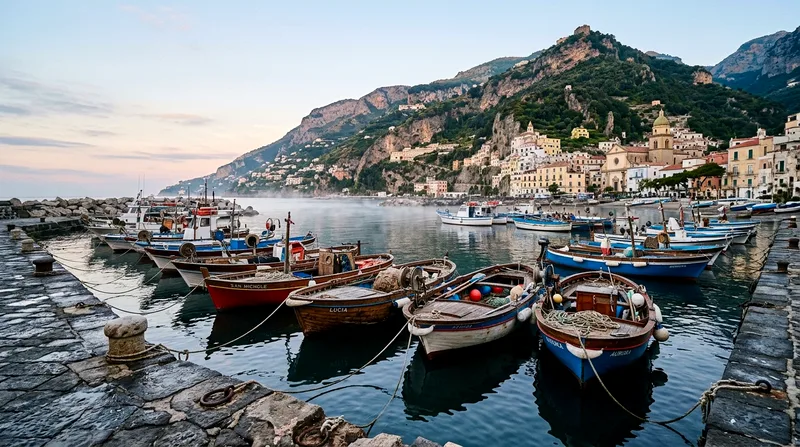
Visiting Cetara, Amalfi Coast: Food Tours & Anchovy Tastings
Planning a Cetara Amalfi Coast visit? Learn how to taste colatura di alici, book a food tour, and time your trip to this fishing village.
9 min read · 9 Oct 2026
Amalfi Coast Towns to Visit
Planning your trip? Compare the best Amalfi Coast towns to visit—Positano, Amalfi, Ravello, Atrani and more—with what to do and where to stay.
7 guides
The Amalfi Coast stretches roughly 50 kilometers between Sorrento and Salerno, and no two towns along it feel alike. Positano trades on glamour and vertical views, Amalfi carries the historic weight of a former maritime republic, Ravello sits above the coastal road with gardens and concert terraces, and Atrani — barely a five-minute walk from Amalfi — stays almost empty by comparison. Praiano and Furore fill the gaps with quieter beaches and some of the best swimming on the coast.
Choosing which Amalfi Coast towns to visit matters more than people expect before they book. The coast road (the SS163) is narrow, often jammed in July and August, and buses can take 40 minutes to cover what looks like 10 kilometers on a map. Pick two or three bases rather than trying to sleep in a different town each night — you'll spend less time in traffic and more time actually at the coast.
Amalfi and Atrani offer the best value and easiest logistics, while Positano and Ravello deliver the views at a higher price and with more planning required.
Amalfi Coast towns to visit compared: cost, crowds, and best for
| Town | Typical Hotel Cost | Crowd Level | Beach Access | Best For |
|---|---|---|---|---|
| Positano | High | Very high (peak season) | Good, but busy | Views, photos, nightlife |
| Amalfi | Moderate | High | Moderate | Base for transport, history |
| Ravello | Moderate-high | Low-moderate | None (hillside town) | Gardens, quiet, views |
| Atrani | Low-moderate | Low | Small, quiet | Budget stay, authentic feel |
| Praiano | Low-moderate | Low-moderate | Good, small coves | Swimming, diving, hiking |
| Furore | Low | Low | Limited, dramatic fjord | Cliff diving, day trip |
Prices and crowd levels shift with season; always check current rates and ferry schedules before booking.
Positano is the town most people picture when they think of the Amalfi Coast, and it earns the reputation — pastel buildings stacked on a near-vertical slope down to Spiaggia Grande, the main beach. It's also the most expensive and most crowded town on this list. A simple hotel room in August can run €300–€500 a night, and the main pedestrian lane, Via dei Mulini, gets uncomfortably packed by midday from spring through early autumn.
If you're on a budget, Positano is the town to visit for a day rather than sleep in. Take the SITA bus or a ferry from Amalfi (about 25–40 minutes depending on route and traffic), spend a few hours on the beach or wandering the boutiques, and base yourself somewhere cheaper for the night.
Spiaggia Grande is the obvious draw, but Fornillo Beach, a 15-minute walk west along a shaded path, is quieter and cheaper for sunbed rental. The Church of Santa Maria Assunta, with its majolica-tiled dome, sits right off the beach and costs nothing to enter. For a longer outing, the Path of the Gods trail starts near Bomerano above Positano and takes about 2 hours one-way, with coastal views the whole route — bring real shoes, not sandals, since sections are rocky and exposed.
Boat tours from Positano's marina run to Capri (about 45–60 minutes by sea) or along the coast toward the Li Galli islets. A half-day boat tour typically costs somewhere in the €60–€100 per person range depending on group size and whether lunch is included. Cooking classes and limoncello tastings are widely available in town too. Compare current boat tours and prices before you book, since availability shifts fast in peak season.
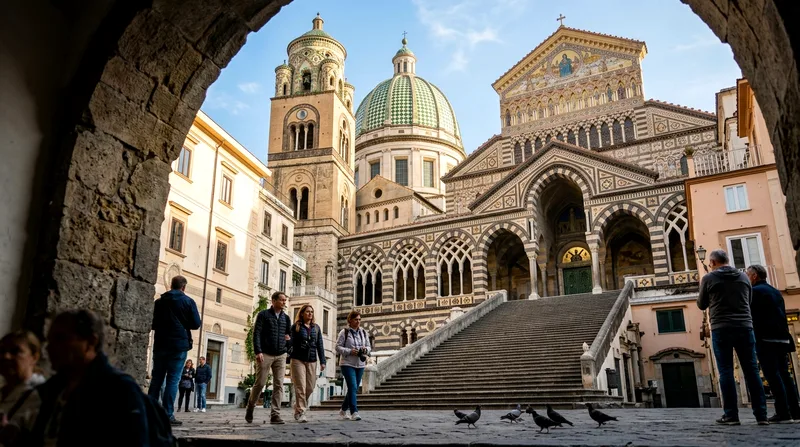
Amalfi gave the whole coast its name, and it's the most practical base for most travelers — flatter streets than Positano, better ferry and bus connections, and noticeably lower prices for comparable hotels. It was once an independent maritime republic trading with the Byzantine Empire and North Africa, and that history still shows in the architecture around the main piazza.
I'd rank Amalfi above Positano as a base for anyone who isn't specifically chasing the cliffside photo. You get the same sea access, far easier logistics, and a 10-minute ferry ride to Atrani or a short bus to Ravello.
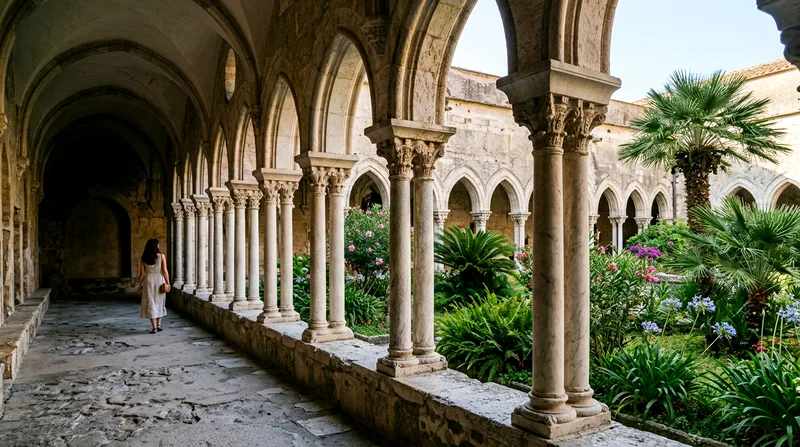
The Cathedral of Amalfi (Duomo di Sant'Andrea), with its striped facade and the Cloister of Paradise beside it, dominates the main square — entry runs a few euros and includes the cloister and crypt. The Museum of the Paper Mills, a short walk up the Valle dei Mulini, covers the town's centuries-old papermaking tradition and makes a good rainy-day stop. The valley itself offers an easy walking trail if you want shade and quiet after the coastal heat.
Amalfi's lemon groves supply much of the coast's limoncello, and several operators run walking food tours through the old town covering sfusato lemons, local cheese, and seafood pasta — typically 3 hours, often priced in the €70–€90 range per person. The town is also a sensible launch point for Capri day trips; ferries run multiple times daily and the crossing takes about an hour.
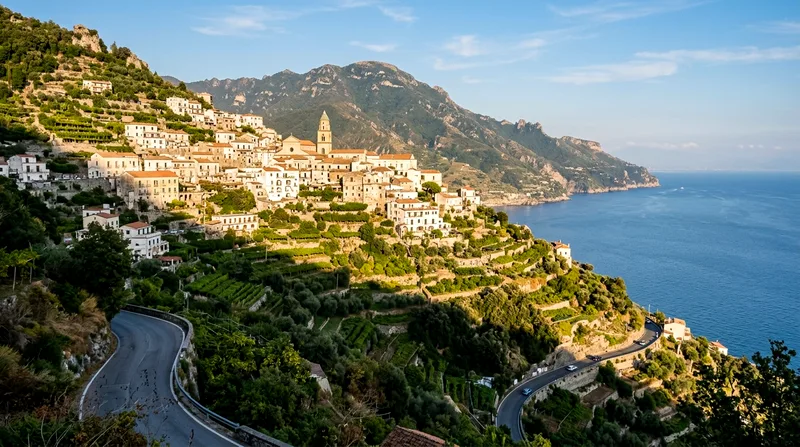
Ravello sits about 350 meters above the sea, reached by a winding bus ride (roughly 25 minutes from Amalfi) rather than a coastal path. That elevation is the whole point — you get sweeping views over the Gulf of Salerno without the beach crowds, and the pace in town is noticeably calmer than Amalfi or Positano even in August.
The trade-off is obvious: there's no real beach in Ravello, and anyone wanting to swim has to head back down the mountain. Richard Wagner and Gore Vidal both spent time here, and the artistic reputation has stuck.
Villa Rufolo's gardens, right in the town center, overlook the coast from a terrace that's hosted concerts for decades — entry costs a few euros and takes under an hour to see properly. Villa Cimbrone, a 15-minute walk further out, has an even quieter garden with a cliffside terrace nicknamed the "Terrace of Infinity." Both are worth the bus fare up from Amalfi even as a half-day trip.
The Ravello Festival runs through summer with concerts and performances, many staged at Villa Rufolo's open-air terrace — check the program and book tickets ahead if a specific concert interests you, since seating is limited. Outside festival dates, the town is good for a long lunch and a slow walk; it's not a place to build a packed day around.
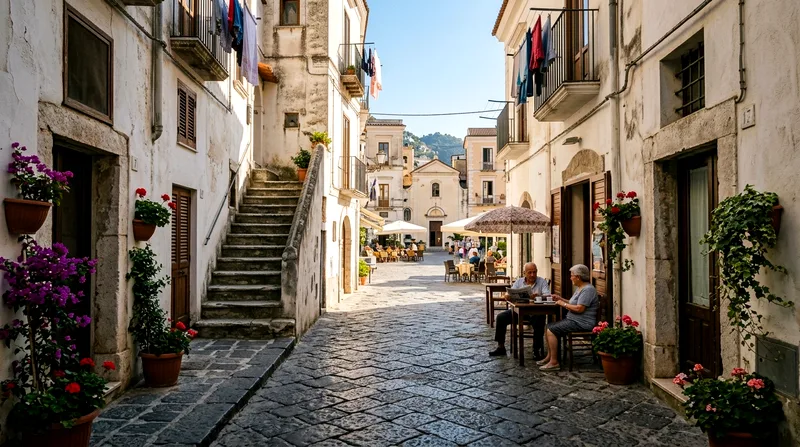
Atrani is the town most visitors never bother with, and that's exactly its appeal. It sits directly next to Amalfi — an 8-to-10-minute walk along the coast road or through a tunnel — but somehow stays residential and low-key. The main piazza, Piazza Umberto I, has a handful of restaurants and no tour buses parking nearby, because none fit.
If you want the Amalfi Coast look without paying Positano prices, Atrani is where to stay. Rooms here often cost 30–40% less than equivalent options in Amalfi proper, and the small beach, Marina di Atrani, is a fraction of the size of Positano's but far less crowded.
Atrani still functions as a working village — laundry hangs across alleyways, the church of San Salvatore de Birecto has a bronze door dating to the 11th century, and locals outnumber tourists at the morning café tables. It's a better fit for travelers who want to observe daily coastal life rather than shop for souvenirs.
From Atrani, the climb to Ravello via the old mule path takes about 90 minutes and avoids the bus entirely, though it's steep with steps most of the way. Amalfi's ferry dock is close enough to walk to for day trips to Capri, Salerno, or Positano, which makes Atrani workable as a base even without a car.
Praiano sits between Positano and Amalfi, and Furore is a scattered village a few minutes further along, best known for the Fiordo di Furore — a narrow fjord-like inlet where cliffs drop straight into the sea. Neither town has Positano's name recognition, which keeps both noticeably cheaper and quieter, even in peak season.
I'd send swimmers and divers here before Positano. The water is just as good, the crowds are a fraction of the size, and hotel rates in Praiano commonly run 30–50% below Positano for a similar sea-view room.
Marina di Praia, a small pebble cove reachable by stairs from the main road, has a couple of simple restaurants right on the water and far fewer sunbeds than the major beaches. The Fiordo di Furore has a small beach at its base, reachable by steps from the bridge above — popular for cliff diving, though swimming there is only advisable in calm conditions.
Praiano is a common starting point for the lower half of the Path of the Gods and for kayak rentals that explore sea caves along this stretch of coast. Diving centers here run trips to reefs and wrecks in the Tyrrhenian Sea, generally cheaper than equivalent trips booked from Positano or Capri.
Amalfi town works best for families because it's flatter than Positano or Ravello, has easy ferry access for day trips, and offers enough restaurants and gelato stops to keep kids happy without long uphill walks. Praiano is a good second choice if you want a calmer beach with fewer crowds and shorter lines for sunbeds.
Yes, but keep it to two or three stops. A realistic day might combine Amalfi and Atrani (10 minutes apart on foot) with a ferry over to Positano, since road traffic between towns can turn a 20-minute drive into an hour during summer. Avoid trying to fit in Ravello the same day unless you skip one of the coastal stops — the mountain road adds real time.
Atrani and Furore are the quietest. Atrani sits right next to Amalfi but sees a fraction of the foot traffic, while Furore is spread across hillside hamlets with no central tourist strip at all — most visitors only pass through for the fjord viewpoint.
Positano's Spiaggia Grande is the largest and most developed, but Praiano's Marina di Praia and Furore's small fjord beach offer clearer water with far fewer people. For sand rather than pebbles, Positano and Maiori (further east) are better options than the rockier coves near Amalfi.
Yes. Ravello is reached by bus, not on foot, and its main attractions — Villa Rufolo and Villa Cimbrone — involve only short, flat walks within the gardens themselves. You don't need to hike at all to enjoy the views or the Ravello Festival concerts.
Planning a Cetara Amalfi Coast visit? Learn how to taste colatura di alici, book a food tour, and time your trip to this fishing village.
9 min read · 9 Oct 2026
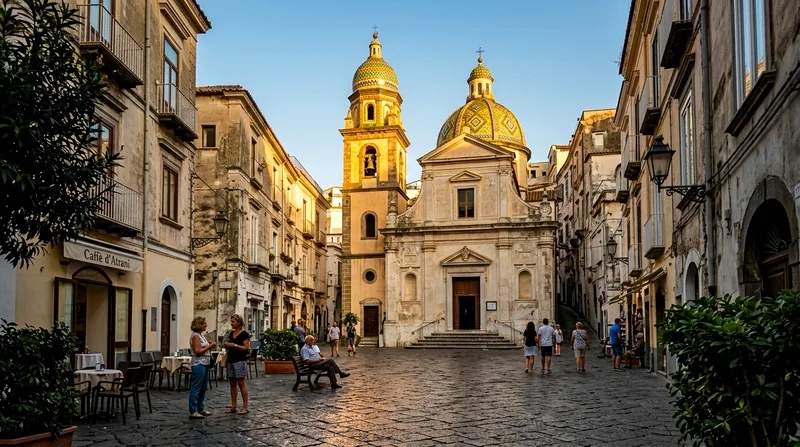
Looking for atrani amalfi coast things to do? Explore the beach, village, trails and trattorias of this quiet town, minutes from Amalfi.
10 min read · 9 Oct 2026
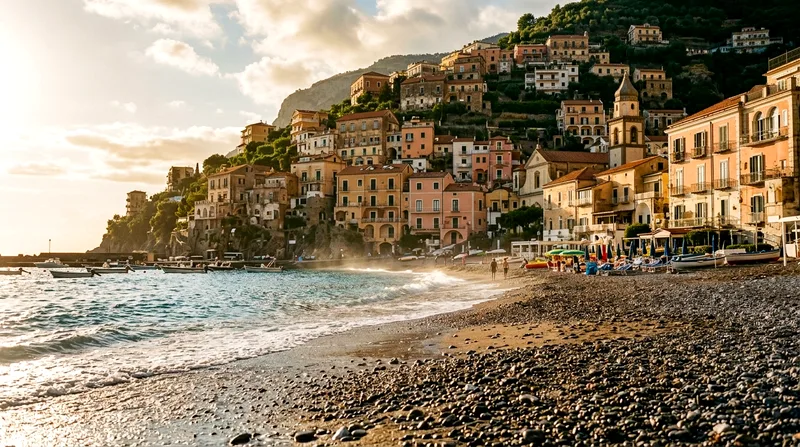
Minori and Maiori things to do: family beaches, Roman villa ruins, kayak tours and food experiences on a quieter stretch of the Amalfi Coast.
8 min read · 9 Oct 2026
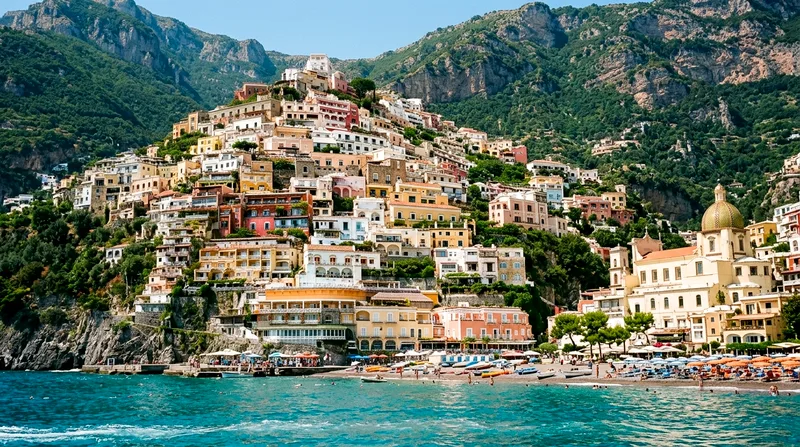
Positano vs Amalfi Town compared on vibe, beaches, dining, transport, and activities — a practical guide to picking your base on the Amalfi Coast.
8 min read · 9 Oct 2026
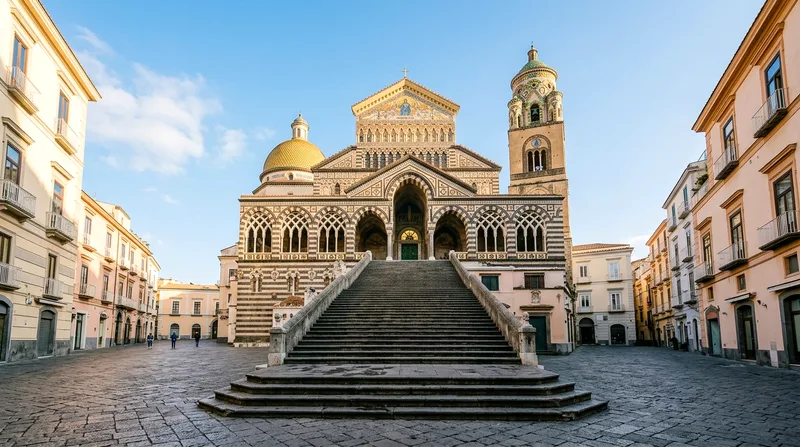
Planning amalfi town tours and tickets? Get the facts on cathedral entry, boat trips, timing, and whether to go independent or guided.
9 min read · 9 Oct 2026
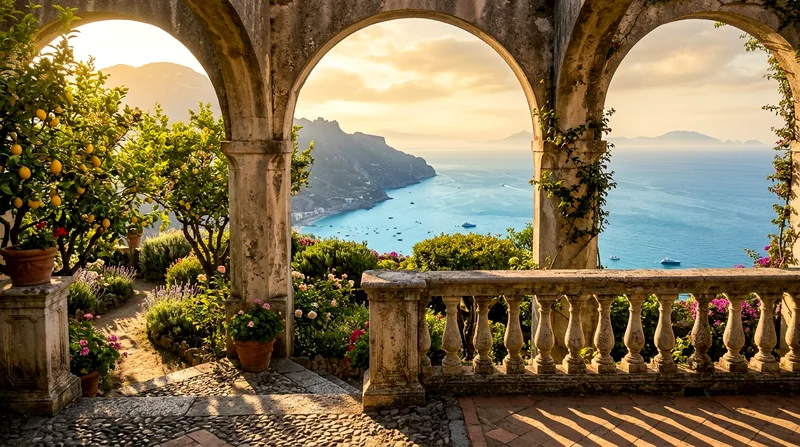
Book Ravello tours and tickets with confidence. Compare Villa Rufolo, Villa Cimbrone entry, Ravello Festival concerts, and guided tour options.
8 min read · 9 Oct 2026
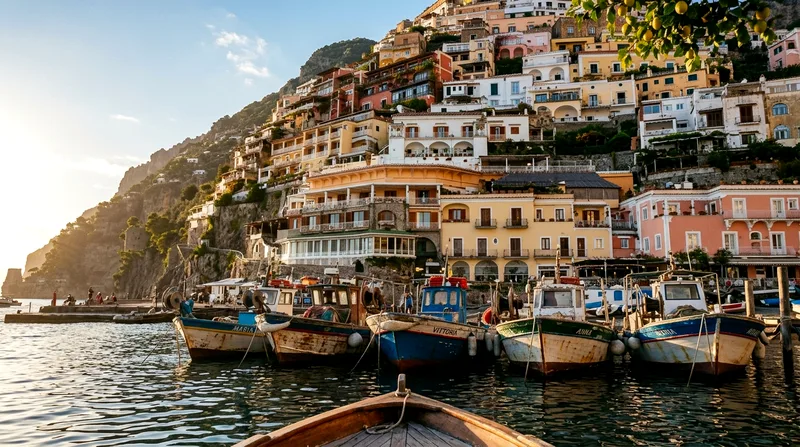
Book Positano tours, boat excursions, beach clubs & cooking classes. Find tickets, guided experiences & things to do in Positano on the Amalfi Coast.
9 min read · 9 Oct 2026