Planning a Cetara Amalfi Coast visit? Learn how to taste colatura di alici, book a food tour, and time your trip to this fishing village.
What Is Cetara and Why Visit
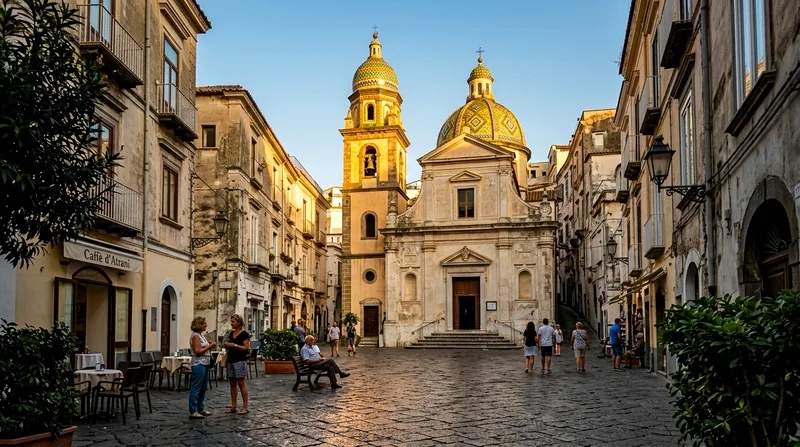
Cetara sits on the eastern stretch of the Amalfi Coast, in Salerno Province, wedged into a narrow inlet between Amalfi and Vietri sul Mare. It's one of the smallest towns on this stretch of coast — a few thousand residents, one main square, and a working harbor that still sends boats out for anchovies and tuna most mornings. If you're planning a Cetara Amalfi Coast visit, understand this upfront: there's no cliffside infinity pool, no Positano-style boutique strip, no Ravello garden terrace. What Cetara has instead is a direct, unglamorous connection to how this coast actually fed itself for centuries.
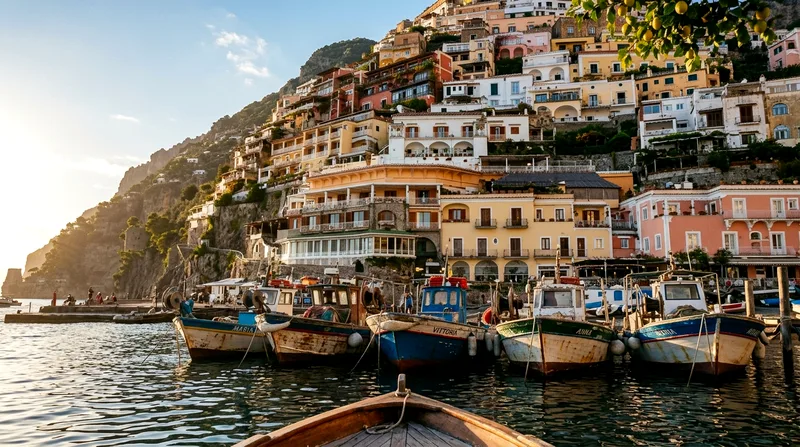
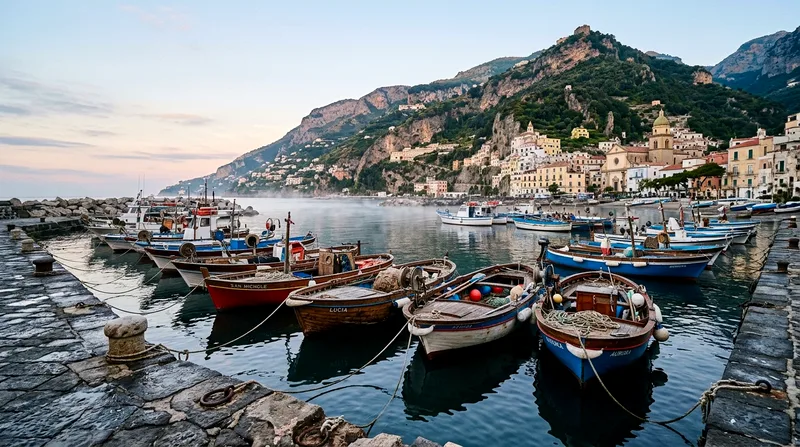
That's precisely the appeal for a certain kind of traveler. Where Positano and Amalfi town have leaned hard into tourism — glass-bottomed boats, limoncello tastings packaged for coach groups, restaurant menus translated into five languages — Cetara has stayed smaller and more functional. You'll see nets drying on the quay, retired fishermen mending tackle, and restaurants that still buy their fish straight off the boats rather than from a regional supplier.
The village's fishing heritage
Cetara's name likely derives from the Latin "cetaria," referring to tuna processing — fishing has defined this place for roughly two thousandand years, with Saracen watchtowers still visible on the hillsides as a reminder that this coast was once a target for raids, not just admiration. The local fleet still hauls in anchovies (alici) and tuna, and the annual tuna festival in late November or early December draws locals and a modest number of visitors rather than tour buses. Walk the harbor in the early morning, roughly 6:30 to 8 a.m., and you'll likely see boats unloading — nobody's performing this for cameras, which is exactly why it's worth seeing.
Colatura di alici and local cuisine
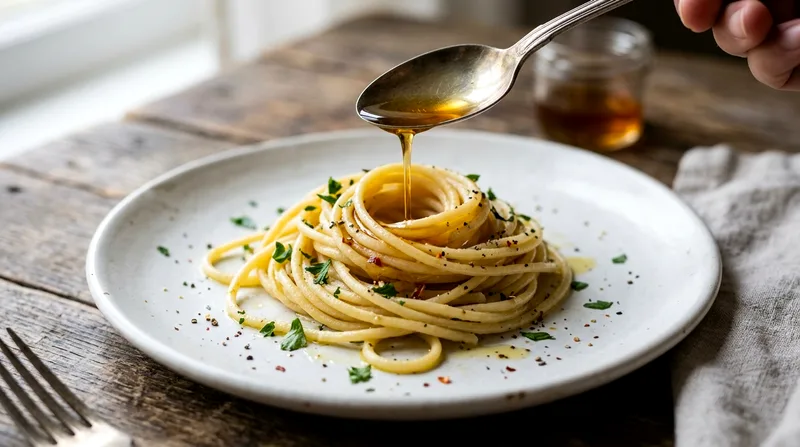
Colatura di alici is Cetara's signature product: a clear, amber fish sauce made by pressing salted, fermented anchovies for months in wooden barrels called "terzigni," then collecting the liquid that drips through. It's the direct descendant of ancient Roman garum, and producers here have kept the method largely unchanged. The sauce is intensely savory rather than fishy, traditionally drizzled over spaghetti on Christmas Eve, though you'll find it used year-round in sauces and dressings in local restaurants. A small bottle (100ml) typically runs somewhere in the €12–€20 range depending on the producer and aging — treat this as a guide and check current pricing when you're there, since artisan output varies year to year.
How to Visit Cetara
Cetara doesn't require advance planning the way Capri or the Path of the Gods does — there's no ticket, no timed entry, no capacity limit. You can walk the entire center in under 20 minutes. The real decision is whether to explore on your own or book a structured food-tasting experience, and that depends on how much you actually want explained to you versus just wandering with a map.
A guided tasting tour adds context and producer access that independent visits generally miss, at a higher cost and with less flexibility.
Cetara Amalfi Coast visit: independent travel vs guided food tour compared
| Option | Typical Duration | Typical Cost (per person) | Best For | Flexibility |
|---|---|---|---|---|
| Independent walk + shopping | 2-3 hours | Cost of purchases only | Budget travelers, repeat visitors | High |
| Small-group tasting tour | 2-3 hours | Approx. €40-€90 | First-time visitors wanting context | Low to moderate |
| Multi-town bus tour stop | 30-60 min | Varies, often bundled | Travelers short on time | Very low |
| Boat excursion passing Cetara | 2-4 hours | Approx. €40-€80 | Scenery plus a harbor view from the sea | Moderate |
Figures are general guidance based on typical small-group tour pricing on the Amalfi Coast; always check current prices and availability before booking.
Independent travel options
Going independently costs nothing beyond transport and whatever you buy. SITA Sud buses run along the SS163 coastal road connecting Cetara to Amalfi, Vietri sul Mare, and Salerno, with the Amalfi–Salerno route taking roughly 15–20 minutes to or from Cetara depending on traffic. There's no dedicated ferry stop at Cetara the way there is at Positano or Amalfi, so buses or a rented car are your main options — and if you're driving, know that parking in the village itself is extremely limited; most visitors leave cars at the edge of town and walk in. On your own, you can pop into a producer's shop, buy a bottle of colatura, grab lunch at a harborside trattoria, and be done in two to three hours. What you'll miss is context — nobody's going to walk you through the fermentation process or explain why this fish sauce differs from standard anchovy paste.
Guided tour experiences
A guided food tour solves the context problem. Most operators running Cetara-focused experiences combine a short walking introduction to the village with a visit to a colatura producer or family-run shop, followed by a seated tasting of anchovy-based dishes — often paired with local white wine. These tours tend to run from Salerno, Amalfi, or sometimes as a half-day add-on from Sorrento, and group sizes are usually kept small, often under 15 people, since venues are tight. I'd avoid any tour that bundles Cetara into a rushed stop on a full-day coastal bus tour hitting four towns — you'll get maybe 30 minutes here, which isn't enough to taste anything properly. Look instead for tours explicitly built around Cetara and food, not ones treating it as a photo-op detour between Positano and Ravello.
Food Tours and Anchovy Tastings
This is the core reason to make the trip. A Cetara food tour or anchovy tasting is built around small-scale, family-run production — you're not visiting a factory, you're visiting someone's cellar or back room where barrels have sat for months.
What to expect on a tasting walk
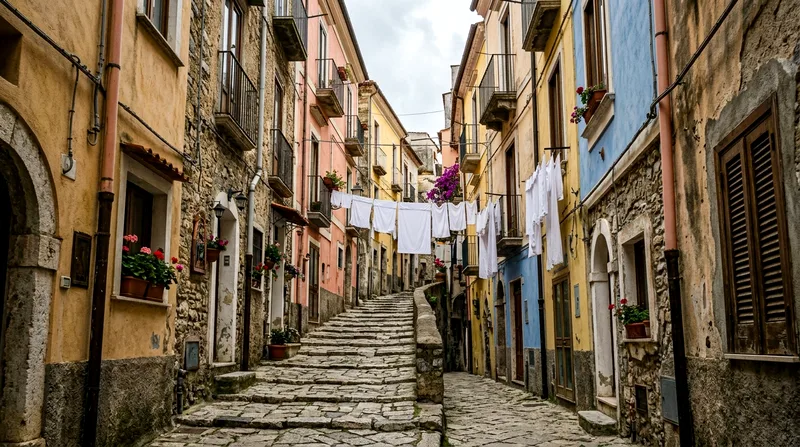
A typical tasting walk starts at the harbor, moves through the old town's narrow lanes, and ends at a producer or restaurant for a seated tasting. Expect to sample colatura drizzled on bread or pasta, cured anchovy fillets, anchovy-stuffed pastries called "alici ripiene," and sometimes tuna preparations if the tour covers the broader local catch. Tastings usually run 2 to 3 hours including the walk. Wear comfortable shoes — the village has steps and narrow stone lanes, not flat sidewalks, and that matters more for senior travelers or anyone with mobility concerns than it does in flatter towns like Atrani just down the coast. One honest caution: if you're not a fan of strong, salty, fish-forward flavors, this isn't the tasting for you — colatura is an acquired taste even for some Italians, and a tour won't soften that.
Booking and pricing guidance
Because operator offerings change and pricing fluctuates by season and group size, don't rely on fixed numbers from any single source — compare current prices and reviews when you're ready to book. As a general guide, small-group tastings on the Amalfi Coast tend to fall in the €40–€90 per person range depending on whether wine, a full meal, or producer visits are included; anything advertised far below that is likely a rushed, surface-level stop. Book at least a few days ahead in high season (June through September), since venues are small and slots fill. Read recent reviews for specifics on what's actually tasted — descriptions can be vague, and you want to confirm colatura tasting is genuinely included, not just referenced.
Best Time to Visit
Timing a Cetara Amalfi Coast visit matters more than it would for a big-ticket sight like Pompeii, because so much of the experience depends on the fishing calendar and on avoiding the worst of the coastal traffic.
Seasonal considerations
The anchovy fishing season generally runs from spring through summer, roughly April to July, which is when fresh catch and active processing are most visible around the harbor. Visiting then means you're more likely to see boats working and barrels being filled rather than just finished product on a shelf. Late November into early December brings the tuna festival (Sagra del Tonno), a good window if you want a livelier, more local atmosphere rather than a quiet tasting. Winter is quietest overall — some small producers and restaurants reduce hours, so confirm opening times before making the trip in December through February.
Weather and crowd patterns
July and August bring the heaviest traffic on the SS163, and that affects Cetara even though it sees far fewer visitors than Positano or Amalfi — buses can run late, and midday heat in the village's sun-exposed harbor area gets uncomfortable with little shade. May, June, and September offer a reasonable balance: warm enough to enjoy an outdoor tasting, cool enough to walk the lanes without overheating, and noticeably fewer day-trippers than peak summer. Compared to Capri or Positano, Cetara never feels crowded even in August, but the road getting there can still be slow, so build in buffer time either way.
Nearby Experiences and Add-Ons
Cetara's small size makes it a natural half-day stop rather than a full-day destination, so pairing it with something else nearby is the sensible move for most itineraries.
Adjacent villages and beaches
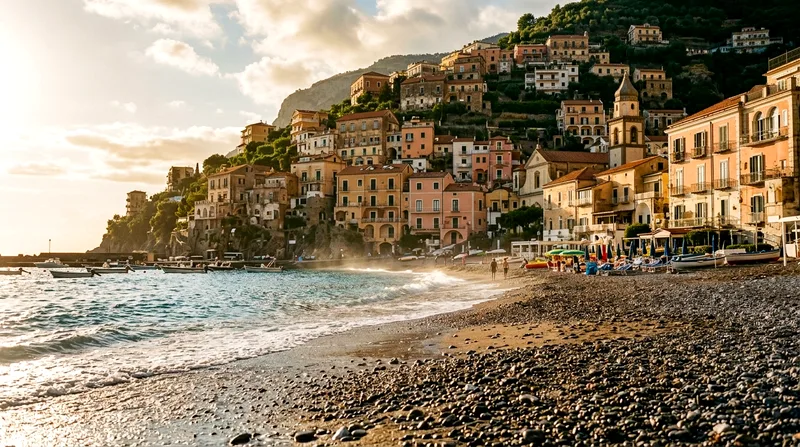
Vietri sul Mare, famous for hand-painted ceramics, sits about 10–15 minutes away by bus or car and makes an easy combination with Cetara — fish sauce in the morning, pottery shopping in the afternoon. Atrani, the tiny beach town next to Amalfi, is roughly 20 minutes further along the coast and offers a genuine small-beach alternative without Positano's crowds or prices. If you want more dramatic scenery to balance Cetara's low-key harbor, Amalfi town itself is a short bus ride away, and Ravello's cliffside gardens are a worthwhile uphill detour if you have a car or are comfortable with connecting buses.
Complementary activities
Pair a Cetara tasting with a boat trip along the coast — several operators run short Tyrrhenian Sea excursions from Amalfi or Salerno that pass Cetara's harbor from the water, giving you the view independent road travelers miss. A cooking class in Amalfi or Minori focused on using colatura in pasta dishes extends the food theme without requiring another food-heavy stop the same day. Avoid trying to cram Cetara, Ravello, and Positano into one day — the driving and parking alone eat hours, and you'll end up rushing the one experience (Cetara) that rewards slowing down.
Frequently asked questions
What is colatura di alici and why is it famous?
Colatura di alici is a clear, salty fish sauce made by fermenting salted anchovies in wooden barrels for several months and collecting the liquid that seeps out. It descends from ancient Roman garum, and Cetara is considered its historical home on the Amalfi Coast. It's traditionally used on Christmas Eve pasta but appears in local restaurant dishes throughout the year.
Can you visit Cetara without a guided tour?
Yes — Cetara has no entry ticket or timed access, so you can walk the harbor, browse producer shops, and eat at a trattoria entirely on your own. You'll miss the explained context a guided tasting provides, but independent visits cost nothing beyond transport and purchases, and the village is small enough to see fully in two to three hours.
How long does a typical food tour in Cetara take?
Most small-group tastings run 2 to 3 hours, combining a short walk through the village and harbor with a seated tasting at a producer or restaurant. Avoid tours that give Cetara only 30 minutes as one stop on a multi-town bus itinerary — that's not enough time to taste anything meaningfully.
What is the best season for anchovy tastings?
Spring through early summer, roughly April to July, is peak anchovy fishing season, so you're more likely to see active processing alongside the tasting. Late November's tuna festival is another good window for atmosphere, while winter sees reduced hours at some small producers.
How do you get to Cetara from other Amalfi Coast towns?
SITA Sud buses connect Cetara to Amalfi, Vietri sul Mare, and Salerno along the SS163 coastal road, with the trip from Amalfi taking roughly 15–20 minutes depending on traffic. There's no direct ferry stop at Cetara, so buses or a car are the practical options, and parking in the village center is very limited.