Compare food tours and cooking classes on the Amalfi Coast. Decide based on time, cost, effort, views, and crowds. Find your perfect food experience.
Quick Comparison: Tours vs Classes
Deciding between an Amalfi Coast food tour or cooking class comes down to one core trade-off: do you want to taste a lot in a short window, or make one thing well and understand why it works? Both formats draw on the same Campania pantry — lemons from the terraced groves around Amalfi and Sorrento, buffalo mozzarella from the Sele plain near Salerno, anchovies, and pasta shapes that change from town to town. But the delivery mechanism is completely different.
A food tour is built for momentum. You walk, you taste, you move on, usually hitting four to six stops in two to three hours. A cooking class slows everything down — you spend that same two to three hours, sometimes longer, producing one meal from scratch, usually with a glass of local wine while you wait for dough to rest. Neither is more "authentic" than the other; they're just different lenses on the same food culture.
If you're traveling with kids under ten, I'd lean toward a cooking class — the hands-on dough work holds their attention better than standing around listening to a guide explain cheese-making history. If you're short on time and want to see more of a town like Positano or Ravello while eating, the tour wins outright.
A food tour trades depth for variety and ease, while a cooking class trades breadth for hands-on skill and a smaller group.
Amalfi Coast food tour vs cooking class: key decision factors compared
| Option | Typical Duration | Typical Cost Range | Physical Effort | Group Size | Best For |
|---|---|---|---|---|---|
| Food Tour (Amalfi/Positano) | 2–3 hours | €60–€100 per person | Moderate (stairs, walking) | 6–16 people | Sightseeing + tasting variety |
| Cooking Class (coastal venue) | 3–4 hours | €80–€150 per person | Low (mostly seated/standing) | 6–12 people | Hands-on learning, families |
| Private Cooking Class | 3–4 hours | €150–€300+ per group | Low | 2–6 people | Couples, special occasions |
| Food Tour + Market Visit | 3–4 hours | €70–€110 per person | Moderate | 8–16 people | Early risers, deeper local context |
Figures are typical ranges based on widely published regional pricing; always check current prices and inclusions before booking.
What a food tour includes
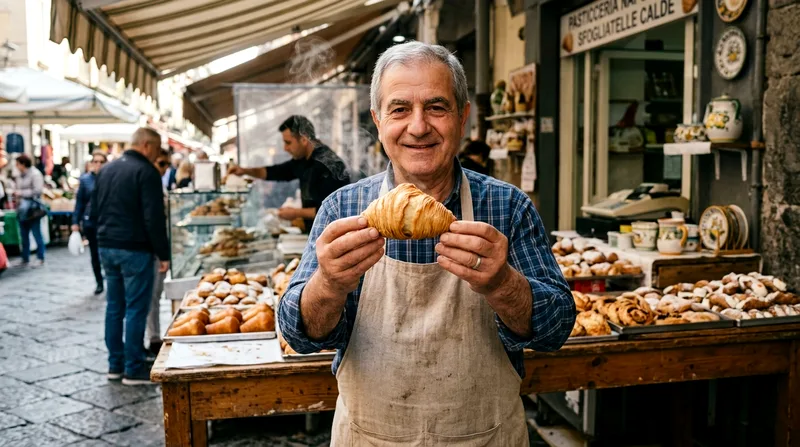
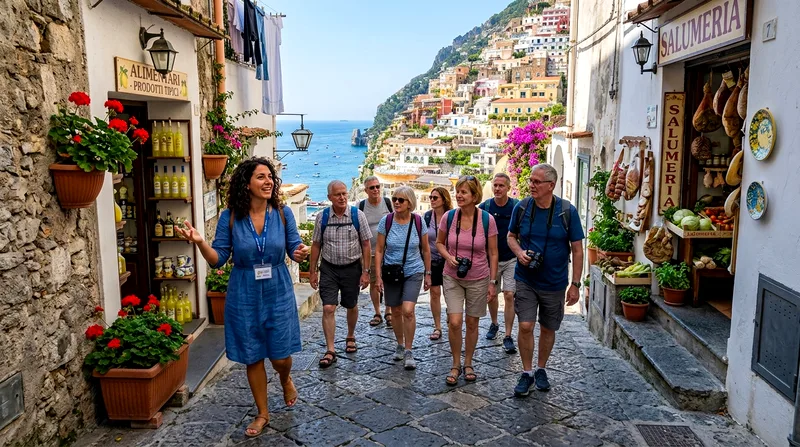
A typical Amalfi Coast food tour is a guided walk through one town — Amalfi itself, Positano, or sometimes Sorrento — stopping at four to six small producers or family-run spots: a pastry shop for sfogliatella, a deli for cured meats and cheese, a gelateria, maybe a limoncello tasting. Guides usually speak English and Italian, and groups run anywhere from six to sixteen people. Expect two to three hours on your feet, modest walking distances, but unavoidable staircases since most of these towns are built into cliffs. You're tasting, not cooking — portions are generous enough to count as a light meal, not a snack. Alcohol (local wine, limoncello) is typically included in a tasting-sized pour, not a full glass.
What a cooking class includes
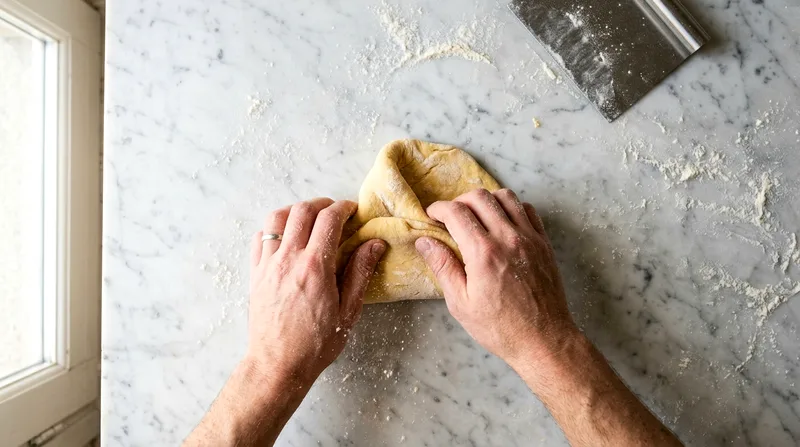
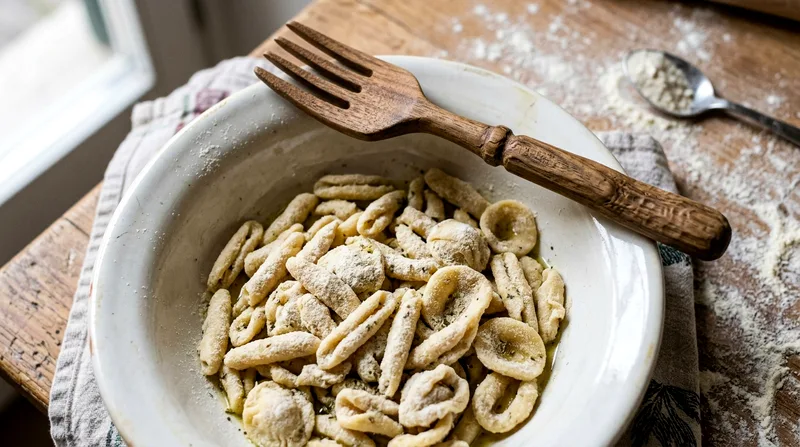
Cooking classes are usually held at a single venue — a restaurant kitchen, an agriturismo outside town, or sometimes a host's home — and run three to four hours including the meal you cook. You'll typically make fresh pasta by hand (scialatielli or fusilli are common regional shapes), a simple sauce built around tomato, basil, or seafood, and sometimes a dessert involving lemon. Group sizes tend to be smaller, often six to twelve people, and some operators offer private sessions for two. You sit down and eat everything you make, usually paired with local wine. Expect an apron, a recipe card to take home, and flour on your hands — this is participation, not spectation.
Head-to-Head: Time, Cost, and Effort
Neither option is objectively cheaper or faster — it depends what you're measuring against. A food tour costs less per person on average but delivers a lighter meal equivalent. A cooking class costs more but replaces an entire dinner, wine included, so the per-euro value evens out once you account for the meal you'd otherwise buy separately in Positano or Ravello, where restaurant prices run high for sea-view seating.
Duration and scheduling
Food tours typically run mid-morning or late afternoon, fitting neatly around beach time or a Pompeii day trip. Cooking classes run longer and more often land at lunch or dinner, which means they effectively replace a meal slot on your itinerary rather than slotting beside one. If you're staying in Sorrento and day-tripping to the coast, factor in that most cooking classes want you to show up on time — unlike a tour, you can't quietly slip in ten minutes late without disrupting the dough prep already underway.
Budget considerations
Expect to pay somewhat more for a cooking class than a food tour, largely because you're paying for ingredients, kitchen space, and a full seated meal rather than small tasting portions. Private classes for couples or small families run highest, often double a shared group rate. If budget is the main driver, a shared food tour in a smaller town like Amalfi tends to be the cheapest route into local cuisine — cheaper than Capri's tourist-priced waterfront restaurants, and generally better value than an average sit-down dinner in Positano.
Physical demands
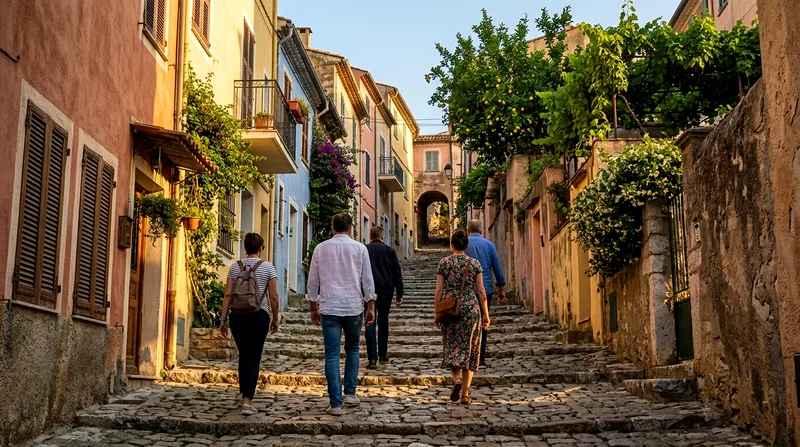
This is where the two diverge most for older travelers or anyone with knee or hip issues. Food tours involve real walking on uneven, sloped, and stepped streets — Positano and Amalfi are both vertical towns, and a "gentle stroll" can still mean fifty or more steps between stops. Cooking classes are sedentary by comparison: you stand at a counter, sit to eat, and the venue is fixed. If mobility is a concern, the cooking class is the safer, lower-strain choice, full stop.
Experience Quality: Views, Crowds, and Depth
Food tours win on atmosphere — you're outdoors, moving through real streets, seeing shopkeepers at work rather than a staged version of Campania life. Cooking classes win on depth — you leave actually knowing how to make fresh pasta dough by feel, not just by watching someone else do it. Neither is wrong, but if you only care about photographs and ambient Mediterranean texture, the walking tour delivers more per hour.
Scenery and atmosphere
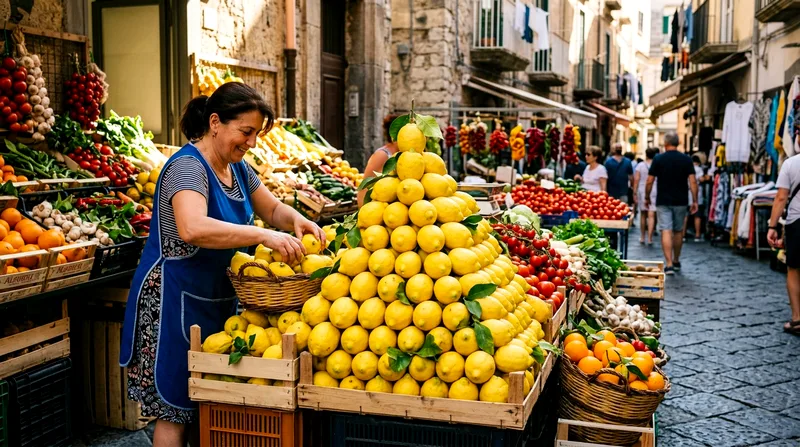
A tour through Amalfi's old town or Positano's steep lanes puts you right in the postcard scenery, lemon groves visible on the hillsides above, boats below. Cooking classes held at agriturismi outside town can offer similarly good views — sometimes better, since you're seated at a window for an hour rather than passing through — but classes held in a restaurant's back kitchen can feel closed off, with little outward view at all. Ask what the venue actually looks like before booking; "coastal cooking class" doesn't guarantee a sea view.
Group size and intimacy
Food tours run larger on average, which means less individual attention from the guide and more waiting your turn at crowded tasting counters, especially in peak summer when Positano's narrow streets fill up fast. Cooking classes cap smaller by necessity — there's only so much counter space — so you get more direct instruction and more conversation with the host, often a home cook or small restaurant owner rather than a professional tour guide. For solo travelers wanting to actually talk to people rather than just follow a group, the smaller class setting tends to deliver a warmer, more personal couple of hours.
Who Should Book Each Option
Your travel style matters more than any abstract "which is better" debate. Think about what you actually want from the hours you're spending on this.
Best for food tours
Choose a food tour if you're short on time, traveling with teenagers who get restless sitting still, or you want to cover ground in a town like Amalfi or Sorrento while eating well. It also suits travelers doing a packed multi-stop itinerary — Pompeii in the morning, a food tour in the afternoon — since it doesn't eat up an entire meal slot the way a class does. Solo travelers who want built-in social interaction without the commitment of a long shared meal also do well here; tours naturally bring strangers together over shared tastings without forcing extended conversation.
Best for cooking classes
Choose a cooking class if you want a souvenir skill, not just a souvenir memory — making scialatielli or a lemon dessert you can recreate at home carries further than a photo of a gelato cup. It also suits couples celebrating something, families with patient younger kids who enjoy kneading dough, and senior travelers who want a full, relaxed meal without much walking. If you've already done Capri, Ravello, and a beach day and want one slower, grounding afternoon before moving on, this is it.
Final Verdict
If I had to pick one for a first-time visitor with only one food experience slot on a five-day Amalfi Coast itinerary, I'd lean toward the cooking class — it gives you a complete meal, a quieter group, and something to actually take home besides photos. But that's not a universal answer. Families bouncing between Positano's beach and a Ravello viewpoint, or travelers squeezing in Naples and Ischia on the same trip, will get more practical value from a food tour's shorter time commitment and lower physical cost per euro.
Avoid double-booking both on the same day — I've seen itineraries try to cram a morning food tour and an evening cooking class into one day, and by the second seating, nobody's hungry and the wine goes untouched. Space them out, or pick the one that matches how you actually like to travel: moving and tasting, or sitting still and learning. Compare current food tour and cooking class options and prices on the coast before you commit, since availability shifts seasonally and some of the smaller-group classes fill up faster than the larger walking tours.
Frequently asked questions
How long does a food tour take on the Amalfi Coast?
Most food tours run two to three hours, covering four to six stops on foot in one town — commonly Amalfi, Positano, or Sorrento. Some operators add an early-morning market visit, stretching the total to three or four hours. Factor in the steep, stepped streets typical of these towns, which slow the pace more than flat terrain would.
What is the typical cost of a cooking class?
Shared group cooking classes on the Amalfi Coast generally run from about €80 to €150 per person for a three-to-four-hour session including the meal and wine. Private classes for couples or small groups cost more, often €150 to €300 or higher per group, depending on venue and menu. Always check what's included — some classes add a market visit or extra courses that push the price up.
Do I need cooking experience for a class?
No — these classes are designed for complete beginners, and hosts typically walk you through each step, from kneading dough to shaping pasta by hand. You won't be expected to know knife skills or timing in advance. The pace is forgiving, and mistakes with dough consistency get corrected on the spot.
Which option is better for solo travelers?
Both work well solo, but cooking classes often create more natural conversation since you're seated at a shared table for the meal afterward. Food tours offer lighter, less committal social contact — good if you'd rather observe than chat extensively. If you want company for the evening, book a class; if you want flexibility to wander off after, pick a tour.
Can I do both a tour and a class?
Yes, but space them across different days rather than stacking them in one. A food tour on day one and a cooking class on day three or four, after you've had a beach day or a Ravello excursion in between, keeps both experiences distinct instead of blurring into one long eating marathon.