Explore terraced vineyards and DOC wines on an Amalfi Coast wine tasting tour. Compare group, private, and pairing tours with booking tips.
Who Wine Tours Suit Best
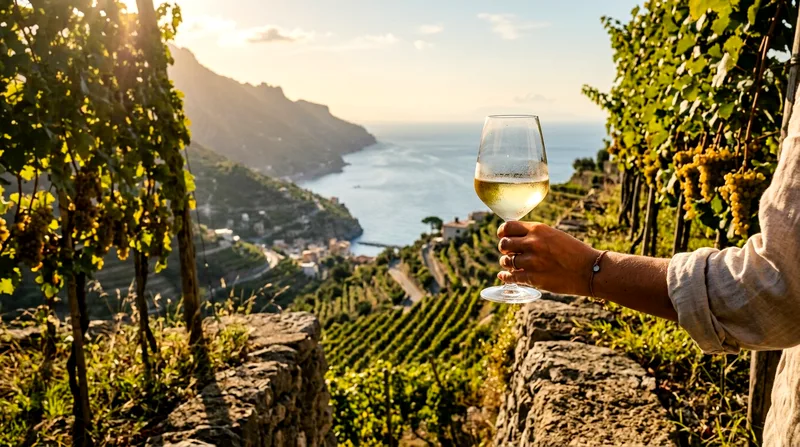
An Amalfi Coast wine tasting tour rewards a specific kind of traveler more than others. If you already enjoy wine and want to understand why a bottle of Fiorduva from Furore costs what it does, these tours deliver real context — you'll see the vines growing nearly vertically on terraces cut into volcanic rock, sometimes requiring farmers to use baskets and pulleys because tractors simply can't reach. That's not marketing language; it's a genuine logistical fact of viticulture here, and it's the main thing that separates Amalfi wine tourism from a Tuscan vineyard visit where you drive between flat rows.
Casual drinkers can still have a good time, but expectations matter. If you're hoping for a quick, cheap tasting squeezed between the Amalfi Cathedral and a gelato stop, you'll be disappointed — most worthwhile tours run three to five hours and involve walking, sometimes on uneven stone steps. I'd steer families with toddlers and anyone with significant mobility restrictions toward a simpler option, like a tasting at a wine bar in Positano or Sorrento rather than an actual vineyard visit.
Solo travelers do reasonably well on small-group tours, since most operators mix solo bookings into a shared van or boat group of six to ten people. It's sociable without being forced, and the cost per person tends to be lower than private options by a meaningful margin.
Couples seeking romantic experiences
Couples are the single best-suited audience for Amalfi wine tours, particularly around Ravello, where terraces overlook the Bay of Salerno and tastings often pair with views rather than just food. A Ravello wine tour booked as a private or semi-private experience lets you set the pace — lingering over a glass of Episcopio or stopping for photos without ten other people waiting. Expect this flexibility to cost more, typically somewhere between double and triple the price of a shared group slot, depending on transport included.
The trade-off is worth it for anniversaries or honeymoon itineraries, less so for a casual Tuesday afternoon. If budget matters more than privacy, a small shared group still delivers the romance of the setting — the vineyards themselves do most of the work.
Groups and food enthusiasts
Groups of four to eight friends or extended family get the best value from shared vineyard tours that include food pairing, since the fixed costs of transport and a guide get split more ways. Food enthusiasts specifically should look for tours that mention regional Campania wine region specialties by name — buffalo mozzarella, local anchovies from Cetara, or a pairing menu built around courses rather than a single cheese board. A tour that just pours wine without context on Fiano di Avellino or Greco di Tufo (both technically from inland Campania but commonly featured alongside coastal wines) is missing half the value.
Watch out for large coach-tour wine stops — groups of twenty or more at a single winery rarely get a proper walk through the terraces, just a tasting room and a gift shop.
Wine Tour Types on the Coast
"Amalfi Coast wine tasting tour" covers a wider range of experiences than most people expect, from a one-stop tasting bolted onto a coastal drive to a half-day exploration of multiple terraced plots. Understanding the category before you book saves you from paying private-tour prices for what's essentially a scenic pour-and-go.
Small-group vineyard tours
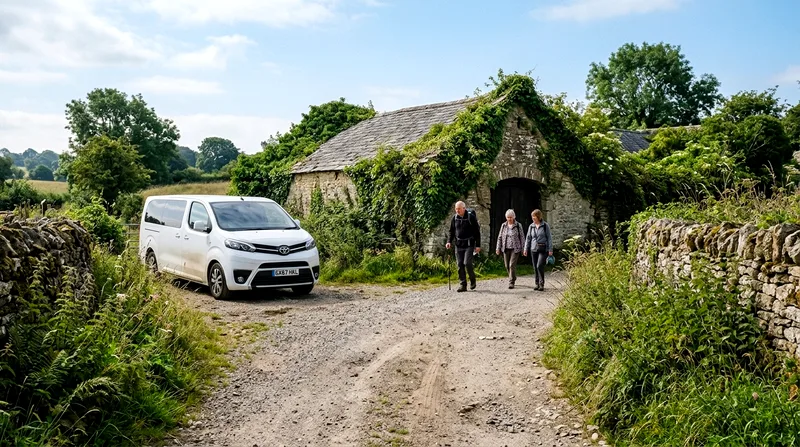
This is the most common and generally best-value format. A shared minivan or boat takes a group of roughly six to twelve people to one or two vineyards — often family-run operations near Furore, Tramonti, or Ravello — for a guided walk through the terraces followed by a seated tasting of three to five wines. Expect three to four hours total, including transport from Amalfi, Positano, or Sorrento.
The upside is cost and atmosphere; sharing the experience with other wine-curious travelers often makes for better conversation than you'd expect. The downside: fixed itineraries and fixed group pacing, so if you want to ask the winemaker detailed questions, you may get less one-on-one time than on a private tour.
Private guided experiences
Private tours put you (and whoever you're traveling with) alone with a guide and driver, often in a car rather than a shared van. This matters most for anyone wanting flexibility — skipping a stop, extending time at one vineyard, or combining the tasting with a specific request like a Ravello wine tour that ends with dinner overlooking the valley.
The honest downside is price: private tours commonly run several times the cost per person of a shared group slot, and the wine content isn't necessarily better — you're paying for exclusivity and scheduling control, not rarer bottles. Good for couples and small families with teens; a weak choice for solo travelers unless budget is no concern.
Food and wine pairing tours
These combine a vineyard visit with a structured meal — sometimes a full lunch, sometimes smaller plates matched course by course to each pour. A limoncello and wine tour Amalfi-style itinerary often falls into this category too, adding a limoncello tasting (usually at a separate stop, since limoncello isn't made at the wineries) alongside the wine.
Pairing tours run longer, often four to six hours, and suit food enthusiasts more than quick sightseers. They're a poor fit if you have dietary restrictions that aren't communicated in advance — fixed-menu pairings are harder to adjust than a simple tasting flight, so flag allergies or vegetarian needs at booking, not on arrival.
What to Look for When Booking
Not all listings calling themselves an "Amalfi wine tasting experience" deliver the same thing, and the details buried in the fine print matter more than the marketing photos.
Inclusions and group size
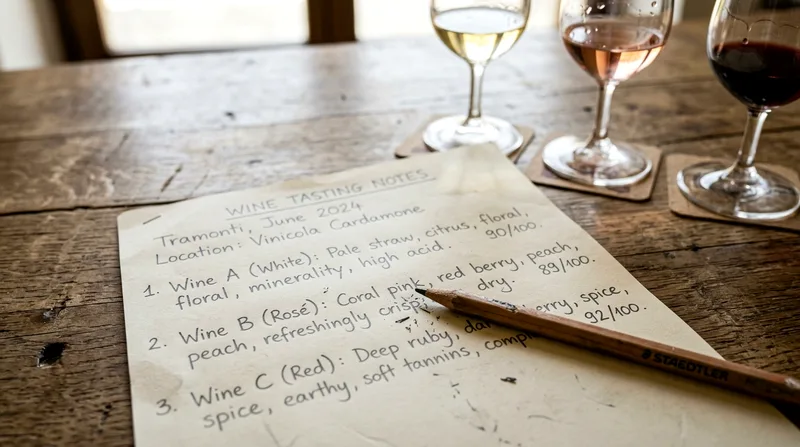
Check exactly how many wines are included in the tasting — three pours is standard for a casual tour, five or more suggests a more serious comparative tasting across DOC designations. Confirm whether transport from your hotel is included or whether you need to meet at a pickup point, since parking around Amalfi, Positano, and Atrani is notoriously tight and a tour that leaves you to find your own way there isn't doing you a favor.
Group size listed as "small group" should ideally mean under twelve. If a listing doesn't specify a maximum, assume it could be larger and read recent reviews specifically for mentions of crowding at the vineyard itself — terraces are narrow, and a group of thirty simply can't move through them comfortably.
Cancellation policies and logistics
Weather and road closures happen on this coast — the single-lane SS163 regularly sees delays, and heavy rain can close vineyard paths temporarily. Favor tours with free cancellation up to 24 hours before departure; anything requiring non-refundable payment a week out is a red flag unless you're certain of your plans.
Also check whether the tasting happens rain or shine indoors, or only outdoors on the terrace — some smaller operations don't have an indoor fallback, which matters if you're booking in a shoulder-season month.
Best Time to Book Your Tour
Wine tours on the Amalfi Coast follow the region's broader tourism rhythm, which means availability and comfort vary sharply by month. Booking two to four weeks ahead is generally enough outside peak season, but during July and August you may need six weeks or more for popular small-group slots, especially around Ravello and Positano.
Seasonal considerations
Harvest season — roughly late September into October — is the most interesting time to visit for anyone curious about the actual winemaking process, since you might see grapes being picked by hand on the terraces, a genuinely labor-intensive sight given the slope. Spring (April to June) offers milder walking conditions and greener terraces, which matters more than people expect given how much of these tours involves standing on exposed hillside paths in direct sun.
Winter tours exist but are limited; many smaller family vineyards reduce visiting hours or close tasting rooms between November and March. If you're traveling then, confirm directly that the vineyard is operating before you commit, rather than relying on a generic listing.
Comparing Tour Categories
Laid out side by side, the trade-offs between tour types become clearer — and the right choice depends more on your group size and pace preference than on wine knowledge.
Group tours win on price and atmosphere but sacrifice flexibility. Private tours win on control and customization but cost noticeably more for comparable wine content. Pairing tours add meaningful food context but demand more time and advance notice for dietary needs. None of these is objectively "best" — the honest answer is that a couple celebrating an anniversary should pay for private, a group of friends should book shared, and a solo traveler short on time should pick a compact small-group tasting over anything requiring a half-day commitment.
Shared small-group tours offer the best value, while private and pairing tours cost more but suit couples and food-focused travelers respectively.
Amalfi Coast wine tasting tour categories compared by duration, group size and best fit
| Tour Type | Typical Duration | Group Size | Relative Cost | Best For |
|---|---|---|---|---|
| Small-group vineyard tour | 3-4 hours | 6-12 people | Lower | Solo travelers, first-time visitors, budget-conscious couples |
| Private guided tour | 3-5 hours | 1-4 people | Higher | Couples, honeymoons, flexible itineraries |
| Food and wine pairing tour | 4-6 hours | Varies, often small group | Mid to higher | Food enthusiasts, groups of friends |
| Limoncello and wine combination tour | 4-5 hours | Small group or private | Mid | Travelers wanting variety beyond wine alone |
| Ravello-focused wine tasting | 2-4 hours | Small group or private | Mid | Couples, scenic-view seekers, senior travelers |
Durations and group sizes are typical ranges; always check the specific listing and current prices before booking.
Frequently asked questions
What wines are produced on the Amalfi Coast?
The coast falls within the Costa d'Amalfi DOC, producing mostly white wines from grapes like Falanghina and Biancolella, alongside reds from Piedirosso and Aglianico. The standout is Fiorduva, a rare white made on the cliffside terraces of Furore by producers including Marisa Cuomo, known for intense minerality from the volcanic soil. Nearby Campania also produces Fiano di Avellino and Greco di Tufo, which many tours include for comparison even though they're grown further inland.
Are wine tours better for couples or groups?
Both work, but for different reasons. Couples get more value from private or semi-private tours since the extra cost buys flexibility and quieter settings, particularly around Ravello. Groups of four or more get better value from shared small-group tours, since splitting transport and guide costs brings the per-person price down without sacrificing much of the experience.
What's included in a typical wine tasting tour?
Most include transport from a central meeting point, a guided walk through at least one vineyard's terraces, and a seated tasting of three to five wines with some bread, cheese, or cured meats. Full food-pairing tours add a structured multi-course meal matched to each wine. Always check the listing specifically — some budget options only include the tasting itself, with transport arranged separately.
When is the best season to book a wine tour?
Spring (April–June) and early autumn (September–October) offer the most comfortable walking conditions and, in October, a chance to see harvest activity on the terraces. Summer tours run fine but involve more heat exposure on exposed hillside paths. Winter options are limited since some family-run vineyards reduce hours between November and March.
Do I need to book in advance?
Yes, generally two to four weeks ahead, and up to six weeks during July and August when small-group slots around Ravello and Positano fill quickly. Private tours offer more last-minute flexibility since they aren't dependent on filling a shared group, but you'll pay more for that convenience.