Cut costs on Amalfi Coast tours with off-season booking, combo tickets, and early planning. Learn where to save and what's worth paying full price for.
Where Your Tour Money Goes
Before you can save money on Amalfi Coast tours, it helps to know what you're actually paying for. Three cost centers eat most travel budgets here: transport (ferries, buses, private drivers), boat excursions, and entrance fees or guided experiences at sites like Pompeii, the Amalfi Cathedral, or Villa Cimbrone in Ravello. None of these are cheap by Italian standards — the coast's geography makes transport inherently expensive, since there's no train line and the coastal road (the SS163) is narrow, slow, and congested for much of the day.
A private transfer from Naples or Salerno to Positano can run considerably more than a shared bus or ferry, sometimes three to four times as much. Boat tours — whether a shared group excursion along the coast or a private charter to Capri — vary enormously depending on boat size, group size, and season. Guided walking tours of Ravello or Amalfi town typically cost less than boat-based experiences simply because there's no fuel or mooring fee involved.
I'd avoid assuming "tour" always means "expensive." A two-hour guided walk through Atrani and Amalfi, done on foot, is one of the cheapest structured experiences on the coast — often less than a sit-down lunch. The expensive items are the ones involving boats, private vehicles, or skip-the-line access to crowded sites. Knowing which category you're paying into helps you decide where trimming makes sense.
Boat tours and water activities
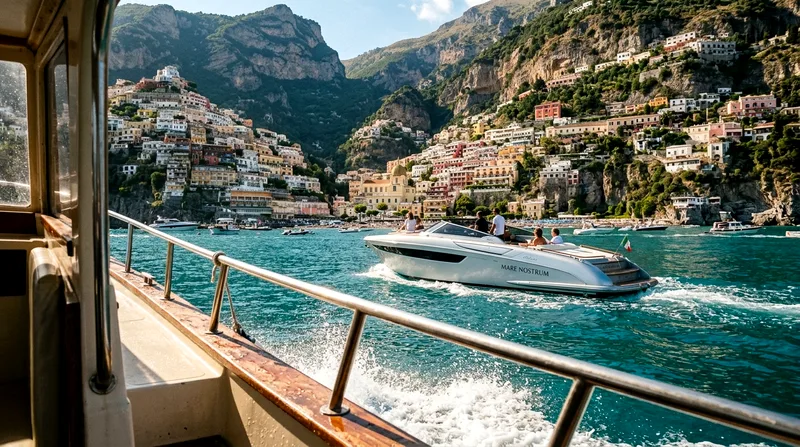
Boat tours are the single biggest variable cost on the Amalfi Coast. A shared group tour departing Amalfi or Sorrento for a half-day coastal cruise generally costs far less per person than a private charter of similar length — you're splitting fuel and skipper costs across 10-20 people instead of covering it alone. If your priority is seeing Positano and the Li Galli islets from the water rather than having an exclusive experience, shared tours deliver nearly the same views for a fraction of the price. Watch out for operators that advertise a tour to "Capri and the Amalfi Coast" in a single day — these are long days (often 8+ hours) and the Capri portion can feel rushed, since the island alone deserves a half-day minimum.
Guided experiences and entrance fees
Entrance fees at major sites are fixed by the site operators, not tour companies, so there's limited room to negotiate there. Pompeii's standard adult entry is a flat government-set rate, and guided add-ons simply layer a guide fee on top. Where you can save is by skipping the guide for sites you can self-navigate with a map or audio app — Ravello's Villa Rufolo gardens, for instance, don't require a guide to appreciate. Save guided experiences for places where context genuinely changes the visit, like Pompeii, where an archaeologist-led explanation turns scattered ruins into a coherent story.
Legitimate Ways to Save on Tours
Forget discount codes — the Amalfi Coast doesn't really have a culture of flash sales or coupon-driven tourism the way some destinations do. The savings here come from structural choices: how you book, when you book, and how flexible you're willing to be.
The biggest lever most travelers ignore is group size. A private driver from Sorrento to Ravello costs the same whether there's one passenger or four, so traveling with family or pairing up with other travelers on a shared tour splits that cost dramatically. If you're a solo traveler, shared minibus tours and scheduled SITA buses will almost always beat private transport on price, even if they're less convenient.
Another underused tactic: buying tickets for popular sites directly rather than through a third-party bundling service that adds a markup for "skip the line" access you may not need outside peak season. In shoulder months, lines at Pompeii or the Amalfi Cathedral are short enough that the skip-the-line premium buys you very little.
Book directly with operators
When a boat tour, cooking class, or walking tour is run by a specific local operator, booking directly through their own site or office often costs the same or less than going through a third-party marketplace, because the marketplace typically takes a commission that gets built into the listed price. The trade-off is that marketplaces make comparison shopping and cancellation easier. My approach: use a marketplace to research and compare, then check if the operator's own site offers the identical tour slightly cheaper before you commit.
Use free-cancellation policies strategically
Book your must-do experiences — a Capri boat day, a Ravello concert ticket — early, but only through listings offering free cancellation up to 24-48 hours ahead. This lets you lock in availability during busy periods (July, August, Easter week) without losing flexibility if weather turns or plans shift. If a cheaper non-refundable rate is offered instead, it's rarely worth the risk on the Amalfi Coast, where sea conditions can cancel boat tours with little notice.
Off-Season and Timing Advantages
Timing is the single most powerful savings tool for budget Amalfi Coast travel, more effective than any booking trick. Peak season — mid-June through early September — brings higher prices across boats, accommodation, and even restaurant menus in Positano and Praiano. Shoulder season, specifically late April to early June and mid-September through October, offers nearly identical weather (often 20-26°C, swimmable sea by May) at noticeably lower rates for tours and transport.
Visiting in winter (November through March) saves the most money but comes with a real trade-off: many boat tours stop running entirely, some restaurants and hotels in smaller towns like Atrani close for the season, and ferries between Amalfi, Positano, and Capri reduce frequency or suspend service in rough weather. If your trip depends on being on the water, winter isn't the place to chase savings.
Shoulder season pricing
May and late September consistently offer the best balance of savings and functionality. Boat tours still run full schedules, ferries connect Salerno, Amalfi, Positano, and Capri reliably, and accommodation prices in Sorrento or Praiano typically drop compared to July-August peaks. Crowds at Pompeii and the Amalfi Cathedral thin out noticeably, which also means shorter waits and less pressure to pay for skip-the-line upgrades.
Weekday vs. weekend rates
Weekend tours — particularly Saturday boat excursions from Amalfi or Sorrento — tend to fill faster and sometimes carry slightly higher demand-based pricing than weekday departures. Weekday bookings, especially Tuesday through Thursday, usually have more availability and occasionally better rates on shared tours since operators are filling boats that would otherwise run under capacity. If your schedule allows flexibility, shifting a boat tour or guided walk to a weekday is a simple way to trim cost without changing the experience itself.
Combo Tickets and Package Deals
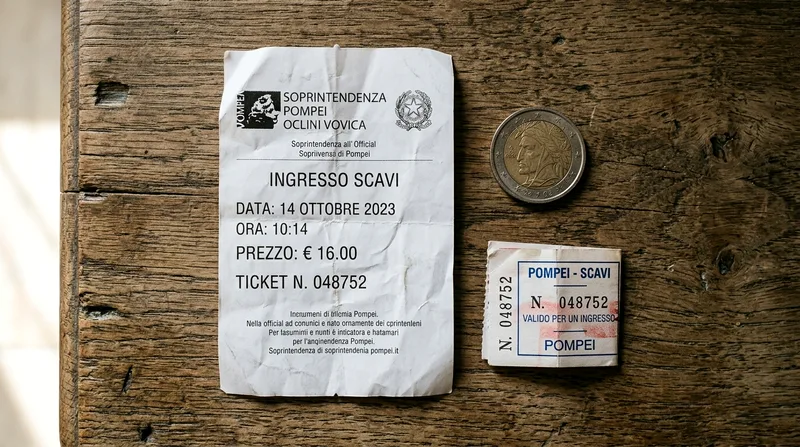
Combo tickets make sense when you're genuinely planning to visit multiple linked sites — they rarely make sense if you're buying one just because it's bundled. The classic example is a Pompeii-plus-Herculaneum combined ticket, which typically costs less than buying both separately and is worth it if you have the stamina and time (budget at least half a day for Pompeii alone).
On the coast itself, combo packages usually bundle a boat tour with lunch, or a bus-plus-ferry day pass covering Salerno, Amalfi, and Positano. These transport bundles are often genuinely useful, since juggling separate SITA bus tickets and Travelmar ferry tickets for a single day trip gets tedious and the per-leg cost adds up.
Bundled transport and multi-site passes save the most when your itinerary already covers linked stops, not just when a bundle is offered.
Amalfi Coast tour and ticket costs compared by booking approach
| Booking approach | Typical cost impact | Best for | Flexibility |
|---|---|---|---|
| Single boat tour, peak season | Highest | Short trips, fixed dates | Low |
| Single boat tour, shoulder season | Moderate | Most travelers | Moderate |
| Pompeii + Herculaneum combo | Lower than separate tickets | History-focused visits | Low once booked |
| Bus + ferry day pass (Amalfi-Positano-Salerno) | Lower than separate legs | Multi-town day trips | Moderate |
| Private driver, solo traveler | Highest per person | Convenience over cost | High |
| Shared minibus or SITA bus | Lowest | Budget and solo travelers | Low (fixed schedule) |
Typical cost relationships only; exact prices vary by season and operator, so check current prices when booking.
Multi-attraction passes
Regional passes covering multiple archaeological sites around Naples and Pompeii (sometimes including Herculaneum and smaller sites like Oplontis) can be worth it for history-focused travelers doing two or more stops within a validity window, typically a few days to a week. For a trip centered only on coastal towns — Positano, Ravello, Praiano — these archaeological passes add no value, since none of those sites are covered.
Regional transport bundles
A combined bus-and-ferry day ticket covering the Amalfi-Positano-Salerno corridor is genuinely one of the better value bundles on the coast, since a one-way SITA bus ticket plus a one-way ferry can individually run up quickly across a multi-stop day. Buy these from official ticket points in Amalfi or Salerno rather than relying on a hotel concierge markup, which is common in Positano.
What's Not Worth Skimping On
Cheap Amalfi Coast tours aren't automatically bad, but there's a point where cutting cost means cutting out the things that actually protect you or improve the experience. Two areas where I wouldn't economize: boat safety and guide quality.
The coastal waters between Amalfi, Positano, and Capri can turn rough with little warning, and licensed operators carry proper safety equipment, maintain their boats to Italian maritime standards, and know local weather patterns well enough to cancel when conditions warrant it. An unlicensed, unusually cheap "boat tour" offered dockside with no visible booking system is the kind of shortcut that occasionally ends in a stranded or overcrowded boat — this is one place where the lowest price is a red flag, not a win.
Safety and licensed operators
Verify that any boat tour operator is licensed before booking, particularly for trips to Capri or around the Li Galli islets. Legitimate operators publish a business registration, have reviews across multiple platforms spanning several years, and offer clear contact information beyond a WhatsApp number. If a price seems 40-50% below every other listed option for a similar boat and route, ask why — sometimes it's an off-peak discount, but sometimes it's an unlicensed operator cutting corners on insurance and safety gear.
Quality guides and small groups
At Pompeii especially, guide quality varies enormously, and the cheapest guided groups are sometimes the largest — 25-30 people clustered around one guide, half of whom can't hear. A smaller group size (8-12 people) costs more per person but means you'll actually hear the commentary and move through the ruins at a reasonable pace. For Ravello's gardens or Amalfi's cathedral, a mediocre guide matters less since the sites are more self-explanatory; for Pompeii, guide quality is the entire experience.
Pre-Trip Booking Checklist
A little verification before you pay saves more money than any single booking trick, mainly by preventing wasted spend on tours that don't match your trip or get cancelled without clear refund terms.
Verification steps
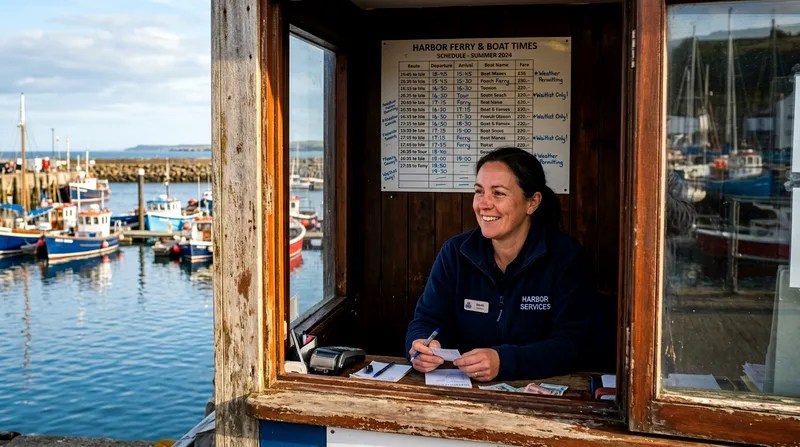
Before booking any boat tour or guided experience, confirm three things: the meeting point (Amalfi's harbor, Positano's Spiaggia Grande, or Sorrento's Marina Piccola are common ones, and they're not interchangeable), the exact duration including any stops, and whether lunch or entrance fees are included or separate. Cross-check the listed itinerary against a map — some "Amalfi Coast tours" sold to Naples-based travelers are mostly transit time with only an hour or two of actual coastal stops.
Cancellation and refund terms
Read the cancellation window before paying, not after. Most legitimate operators offer free cancellation 24-48 hours ahead; anything requiring full payment with no refund option should raise questions, especially for boat tours dependent on weather. Keep confirmation emails and screenshots of the booking terms — if a tour is cancelled by the operator due to sea conditions, you're entitled to a refund or reschedule, but having documentation speeds that process considerably.
Frequently asked questions
When is the cheapest time to book Amalfi Coast tours?
Late April to early June and mid-September through October offer the best mix of lower prices and full tour availability. Boats, buses, and ferries still run complete schedules, but demand is lower than July-August, so prices on shared boat tours and accommodation-linked packages tend to drop. Winter is cheaper still but many boat tours stop entirely.
Do combo tickets save money on Amalfi Coast attractions?
Yes, but only when you're already planning to visit the linked sites. A Pompeii-and-Herculaneum combo ticket or a bus-ferry day pass covering Amalfi, Positano, and Salerno genuinely costs less than buying each piece separately. Buying a combo for sites you won't actually visit wastes money rather than saving it.
What tour costs are worth paying full price for?
Licensed boat operators and small-group guides at complex sites like Pompeii. Boat safety on the open water near Capri and the Li Galli islets isn't a place to chase the lowest price, and a knowledgeable guide at Pompeii changes the entire experience in a way a self-guided walk can't replicate.
How far in advance should I book to get discounts?
Booking 4-8 weeks ahead for peak season (June-August) typically secures better availability and avoids last-minute price increases on popular boat tours and transport passes. For shoulder season, 2-3 weeks ahead is usually sufficient, since demand is lower and operators have more open capacity.
Are free-cancellation policies worth the extra cost?
Generally yes, especially for boat tours. The Amalfi Coast's weather and sea conditions can shift quickly, and a free-cancellation booking lets you lock in a popular time slot early without losing your deposit if the tour gets cancelled for weather or your own plans change.