Pompeii vs Herculaneum from the Amalfi Coast compared: crowds, accessibility, ticket prices, and travel time to help you pick the right ruins.
Quick Comparison: Pompeii vs Herculaneum
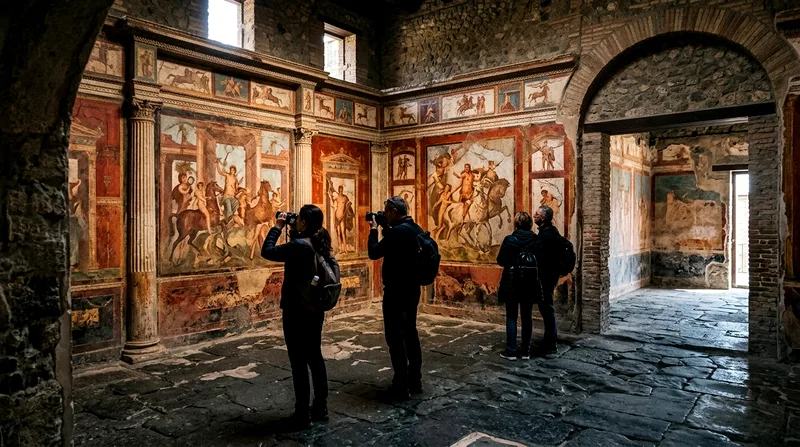
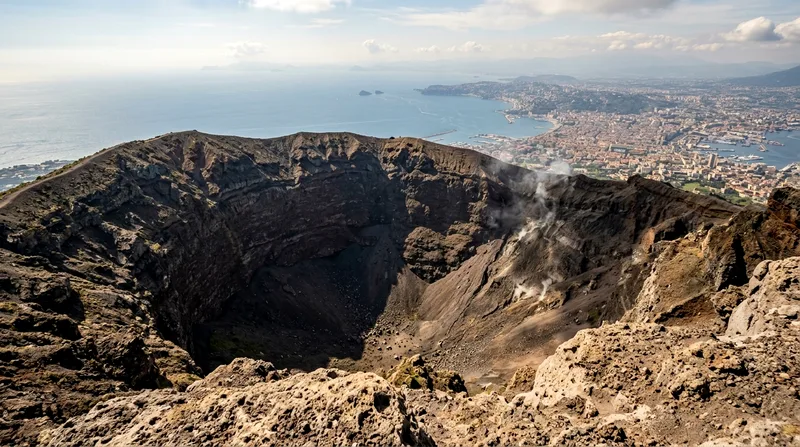
Choosing between Pompeii vs Herculaneum from the Amalfi Coast comes down to how much time you have and what you actually want from an ancient Roman site. Both towns were buried by the 79 AD eruption of Mount Vesuvius, but they tell different stories. Pompeii was a sprawling commercial city; Herculaneum was a smaller, wealthier seaside town preserved under volcanic mud rather than ash, which left organic materials — wood beams, furniture, even food — intact in a way Pompeii rarely matches.
If you're coming from Positano, Amalfi, or Sorrento, neither site is a quick stop. Both require a drive or train connection through Naples or Sorrento, and both deserve at least three hours on-site. Don't assume you can tack either one onto a half-day boat trip to Capri — the logistics don't line up, and you'll end up rushing through 2,000 years of history in 45 minutes.
Pompeii offers far more ground to cover, while Herculaneum trades scale for better preservation and noticeably smaller crowds.
Pompeii vs Herculaneum from the Amalfi Coast: key decision factors compared
| Site | Size | Crowd Level | Travel Time from Amalfi | Typical Visit Length | Entry Price (approx.) |
|---|---|---|---|---|---|
| Pompeii | Approx. 44 hectares excavated | High, especially midday | 1.5-2 hrs one way | 3-4 hours | €18-22 |
| Herculaneum | Approx. 11 acres excavated | Low to moderate | 2-2.5 hrs one way | 2-3 hours | €13-16 |
Figures are typical published ranges; actual prices, train schedules, and crowd patterns vary by season, so check current details before you travel.
Size and preservation overview
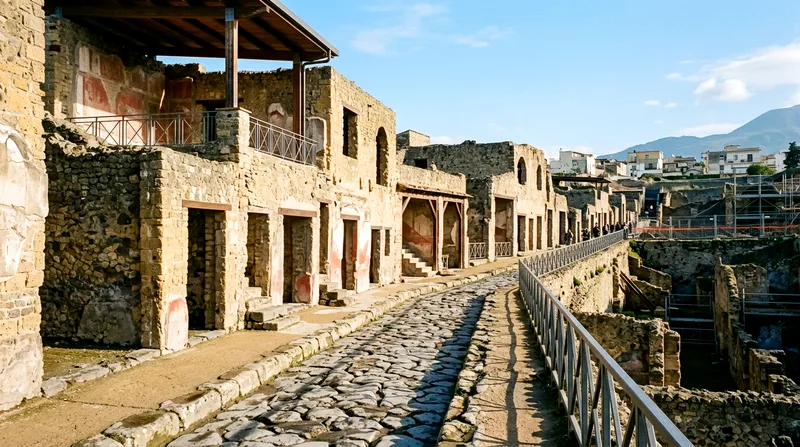
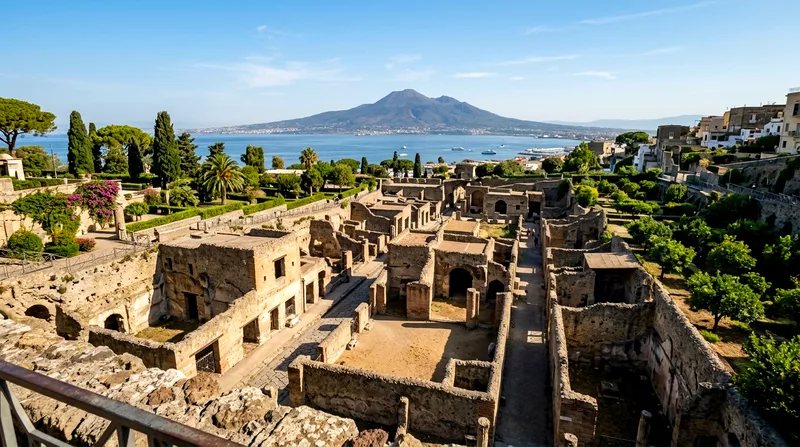
Pompeii covers roughly 170 acres, with about 44 hectares excavated and open to visitors — it's genuinely a small city, with multiple forums, amphitheaters, bath complexes, and residential quarters. You could spend an entire day there and still miss sections. Herculaneum, by contrast, covers around 11 acres uncovered, a fraction of Pompeii's footprint. That's the trade-off: Pompeii gives you scale and variety, Herculaneum gives you depth and detail in a much smaller space. The upper floors, mosaics, and carbonized wooden beams at Herculaneum survived specifically because pyroclastic mud sealed and preserved organic material that ash alone would have destroyed at Pompeii.
Travel time from Amalfi Coast
From Amalfi or Positano, figure on 90 minutes to two hours each way to reach either site, factoring in the SITA bus to Sorrento or the drive along the coastal road, then onward transport. From Sorrento, Pompeii and Herculaneum are both reachable via the Circumvesuviana train — Pompeii is about 30 minutes from Sorrento, Herculaneum closer to 50 minutes in the other direction toward Naples. That extra leg matters if you're based further down the coast in Amalfi or Praiano, since it adds real time to an already long day.
Crowd Levels and Peak Times
Crowd management is the single biggest practical difference in this pompeii herculaneum comparison, and it affects everything from photography to how much you'll actually absorb. Pompeii draws roughly four million visitors annually, making it one of the most visited archaeological sites in the world. Herculaneum sees a fraction of that traffic — exact figures fluctuate, but anyone who's walked both sites back-to-back notices the difference immediately.
Pompeii visitor volume
Expect tour groups stacked three-deep at the House of the Faun, the Forum, and the amphitheater by mid-morning, particularly between May and September. Cruise ship days out of Naples make it worse — large groups arrive on fixed schedules and flood the main routes between 10am and 2pm. If you're set on Pompeii, arrive at opening (usually 9am) or in the final two hours before closing. Avoid midday in summer entirely; there's minimal shade across most of the site, and the heat combined with crowds makes for a genuinely unpleasant few hours rather than a memorable one.
Herculaneum quieter experience
Herculaneum's smaller footprint means fewer tour buses bother stopping, and the site's compact layout naturally spreads visitors out rather than bottlenecking them at famous landmarks. You can walk into the House of the Mosaic Atrium or the Samnite House without waiting for a group to clear out, something that's increasingly rare at Pompeii. This doesn't mean it's empty — weekday mornings outside August are quietest. The trade-off is that Herculaneum's main town sits below modern Ercolano, so you walk down into an excavation pit, which some senior visitors find trickier than Pompeii's flatter street grid.
Accessibility for Seniors and Families
Neither site was built with modern mobility in mind — they're 2,000-year-old Roman streets, after all — but the two differ enough that it's worth planning around your group's physical limits rather than assuming one is universally "easier."
Walking difficulty and terrain
Pompeii's streets are paved with large, uneven volcanic stones with deep ruts worn by ancient cart wheels — manageable for most people but genuinely difficult for anyone using a cane or walker. The site is also huge, meaning total walking distance adds up fast; three to four kilometers over a few hours is realistic if you want to see the major sites. Herculaneum's terrain is similarly uneven but the site is far more compact, so total distance covered is much shorter. The catch is the entrance: you descend a ramp into the excavation site, and some sections require navigating stairs to reach upper floors of buildings. Wheelchair access exists at both sites along designated routes, but call ahead or check the official site before planning around it — provisions change and aren't thorough.
Child-friendly features
Kids tend to respond better to Pompeii's scale and drama — the amphitheater, the plaster casts of eruption victims, the sheer size of the Forum. It feels like exploring a real city, which holds attention longer. Herculaneum's appeal to children is more subtle: intact wooden staircases, carbonized furniture, and a boat found near the ancient shoreline are fascinating but require more explanation to land. If you're traveling with children under eight, Pompeii's open spaces give them room to move; Herculaneum's narrower lanes and descent ramp are less forgiving for restless kids or strollers, which generally aren't practical at either site.
Ticket Prices and Tour Options
Cost differences between the two sites are modest, but when you factor in guided tours, transport, and time, the value calculation shifts depending on what you're after.
Individual vs guided tour costs
A standard adult ticket to Pompeii runs roughly €18-22, while Herculaneum is typically cheaper at around €13-16 — reflecting its smaller scale rather than lesser importance. Both sites offer a combined ticket that covers Pompeii, Herculaneum, and a few smaller sites around the Bay of Naples (Oplontis, Boscoreale, Stabiae) within a set validity window, which is worth considering if you're determined to see both. Guided tours from the Amalfi Coast typically bundle transport, a licensed guide, and entry for a few hours at one site, usually running longer and costing more than independent train travel — but they remove the headache of Circumvesuviana connections and parking near Pompeii, which can be genuinely stressful during peak season. Compare current prices and group sizes before booking, since options vary by operator and season.
Value for time spent
Per hour spent on-site, Herculaneum arguably delivers more "wow" per euro — you see more intact detail in less walking and less time. Pompeii delivers more volume: more buildings, more context, more of the Roman Empire's everyday infrastructure laid bare. If your day trip budget is tight on hours — say, you're also hoping to see Naples or stop in Sorrento — Herculaneum's shorter visit length stretches your day further. If you have a full day free with no other stops planned, Pompeii's larger scope justifies the extra time commitment.
Which Site Should You Choose?
There's no universally correct answer to which is better, Pompeii or Herculaneum — it depends on what you value and how your group moves. I'd steer most first-time visitors with limited time toward Herculaneum, honestly, despite Pompeii's fame; it's less physically demanding and leaves you less drained for the rest of your Amalfi Coast day.
Best for history enthusiasts
If you want the fullest possible picture of Roman urban life — forums, temples, bathhouses, brothels, bakeries, an amphitheater — Pompeii wins decisively. Its scale lets you piece together how an entire Roman city functioned, something Herculaneum's smaller footprint can't fully replicate. Pair it with a Naples Archaeological Museum visit if you can; many of Pompeii's best frescoes and mosaics were relocated there, and seeing them alongside the excavation site gives real context the ruins alone don't provide.
Best for casual visitors
If you're not a history buff and mainly want a solid, memorable half-day out from the Amalfi Coast without the exhaustion, Herculaneum delivers more impact per hour. It's also the better call for seniors or anyone managing a chronic health condition who still wants to see Vesuvius's impact up close without a multi-kilometer walk. Compare this to a Capri day trip or a Ravello villa visit — if your itinerary already has a demanding day planned elsewhere, Herculaneum is the lighter-lift option that still delivers genuine substance.
Frequently asked questions
Can you visit both Pompeii and Herculaneum in one day from the Amalfi Coast?
Technically yes, but it's a long day — expect 10-12 hours round trip once you add travel time, entry, and the connection between sites via Naples. It's more realistic from Sorrento than from Amalfi or Positano, where coastal road transit already eats hours. Most travelers get more out of picking one site and pairing it with a relaxed lunch in Naples or Sorrento instead.
Is Herculaneum less crowded than Pompeii?
Yes, consistently. Pompeii draws roughly four million visitors a year and feels it, especially at midday between May and September. Herculaneum's much smaller excavated area and lower visitor numbers mean you rarely queue to enter a building, even in high season.
Which site is easier for seniors to navigate?
Neither is flat or smooth, but Pompeii's street grid is more level once you're inside, while Herculaneum requires descending a ramp into the excavation pit and occasional stairs for upper floors. Seniors with cane or walker needs often find Herculaneum's shorter total walking distance offsets its trickier entrance — but check accessibility routes at the official site before you go.
Are guided tours worth the extra cost?
If you don't want to manage the Circumvesuviana train or parking near Pompeii yourself, yes — a guide also adds context that's easy to miss reading signage alone. If you're comfortable with independent travel and enjoy exploring at your own pace, self-guided visits with an audio guide or guidebook cost less and let you linger where you want.
How long does it take to reach each site from Amalfi?
Figure 1.5 to 2 hours one way to Pompeii from Amalfi via Sorrento, and slightly longer — around 2 to 2.5 hours — to reach Herculaneum, since it sits closer to Naples. Both routes depend on SITA bus connections or driving the coastal road, which slows considerably in summer traffic.