A realistic Amalfi Coast 2 day itinerary with pre-booked tours, scenic drives, and key villages. Plan your 48-hour trip without wasting time.
Who This Itinerary Is For
This Amalfi Coast 2 day itinerary is built for people who have a weekend, not a week — cruise passengers with a two-night stop, travelers tacking a short detour onto a longer Italy trip, or anyone flying into Naples with limited vacation days. It assumes you're based somewhere between Sorrento and Amalfi town, you're comfortable with buses and boats, and you'd rather see four places properly than six places badly.
It's not for everyone. If you want to add Capri, do the Path of the Gods hike start to finish, and spend a full day in Ravello's gardens, two days won't hold it. Something will get cut, usually the hike, because trail timing doesn't bend the way restaurant reservations do. If that's a dealbreaker, look at a 4-day version instead and treat this as the condensed cousin.
The plan below prioritizes Positano, Praiano, Amalfi, and Ravello, with Sorrento or Salerno as your most likely sleeping base depending on how you're arriving. It leans on one pre-booked boat tour and public ferries to cut down on driving, since self-driving the SS163 coastal road in July is its own kind of stress test — switchbacks, scooters overtaking on blind corners, and parking that costs €5-8 an hour where you can find it at all.
Day 1: Positano and Praiano
Start early. Positano gets crowded by 11am from late spring through early fall, and the tour buses from Naples and Sorrento tend to arrive in waves between 10am and noon. If you're staying in Sorrento, the ferry to Positano takes about 35-40 minutes and is more reliable than the SITA bus, which can be standing-room-only in peak season.
Morning in Positano
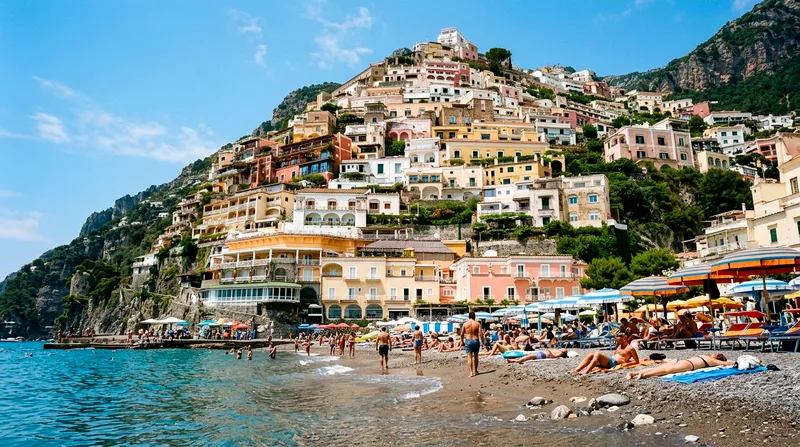
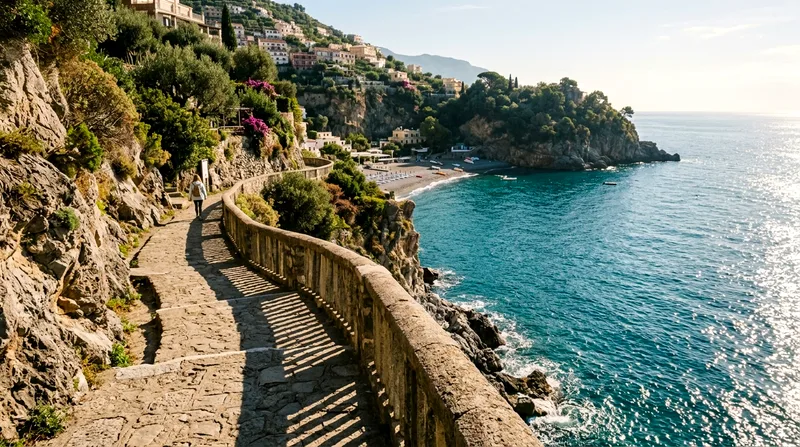
Arrive by 9am if you can. Walk down Via Positanesi d'America, the old fishermen's path connecting the town center to Fornillo Beach — it's quieter than the main Spiaggia Grande and takes about 15 minutes on foot. Grab a coffee at one of the cafés on the main piazza before the crowds settle in, then browse the ceramics shops on Via dei Mulini; prices for a hand-painted plate run roughly €15-40 depending on size and shop, and almost none of it is fixed, so a polite ask about a discount for buying three or four pieces often works.
Skip climbing all the way up to the top of town unless you enjoy stairs for their own sake — the views from mid-level terraces are nearly identical and you'll save your legs for Ravello's gardens tomorrow. By 1pm, have lunch near the beach; a simple seafood pasta runs €14-20 in most spots, more right on the waterfront.
Afternoon and Evening in Praiano
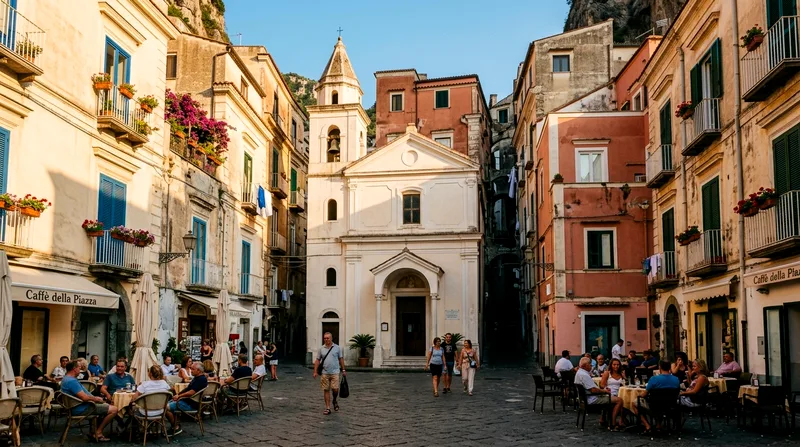
Take the SITA bus or a local ferry to Praiano, about 15 minutes by road and a genuinely good decision if Positano has worn you out with crowds. Praiano is quieter, has fewer souvenir shops, and gives you a real sense of coastal village life without the queues. Spend the afternoon at Marina di Praia, a small cove beach reached by a steep path, or just walk the village lanes — this is where you notice laundry hanging between buildings instead of boutique window displays.
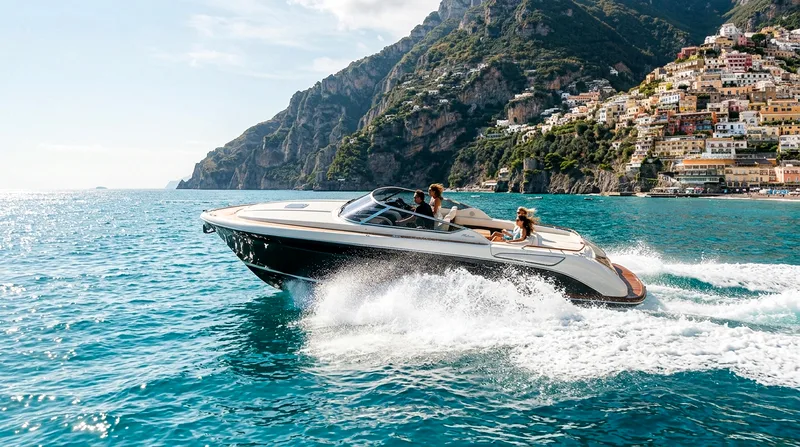
This is also your window for a sunset boat tour along this stretch of coast, ideally booked a day or two ahead since afternoon departures fill first in summer. A 2-3 hour boat trip from this area typically covers the coastline toward Furore and sometimes a swim stop, and costs considerably less than a full-day Capri charter. Have dinner in Praiano rather than doubling back to Positano — it's cheaper and the views over the water at dusk are just as good.
Day 2: Amalfi and Ravello
Day two of this amalfi coast weekend itinerary shifts east. Amalfi town and Ravello sit close together but feel completely different — one is a working harbor town with a cathedral at its center, the other is a hillside retreat built around gardens and views. Doing both in a day is realistic because the bus between them takes only about 25 minutes.
Morning in Amalfi Town
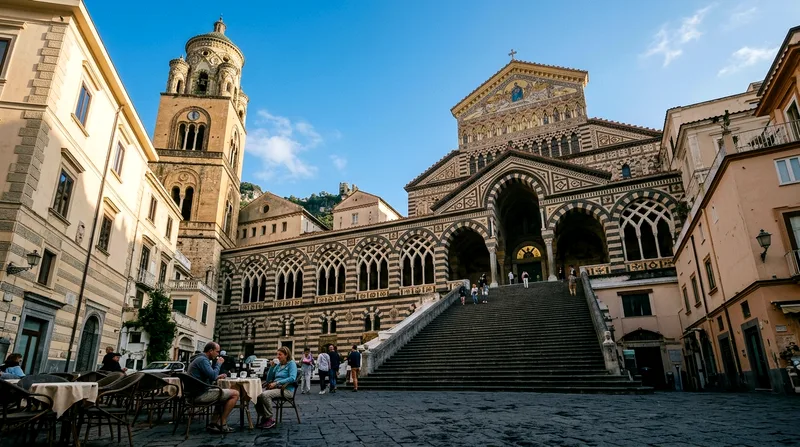
Get to Amalfi by 9:30am, either by ferry from Positano (about 20-25 minutes) or bus. Start at the Duomo di Sant'Andrea — the striped facade and cloister cost around €3-5 to enter and take 30-45 minutes to see properly. Afterward, wander the paper-making district; Amalfi was a center of handmade paper production for centuries, and a couple of small museums near Via delle Cartiere still show the process for a few euros.
If you've got energy left and want one boat excursion instead of yesterday's sunset cruise, a short trip to the Emerald Grotto is doable from Amalfi's harbor — it's a sea cave with glowing green water reached by rowboat, usually a 15-20 minute visit once you're inside, and most visitors combine it with the ride there and back. It's touristy, and on busy days you'll share the cave with several boatloads at once, but it's a genuinely different sight from anything else on this stretch of coast.
Afternoon and Evening in Ravello
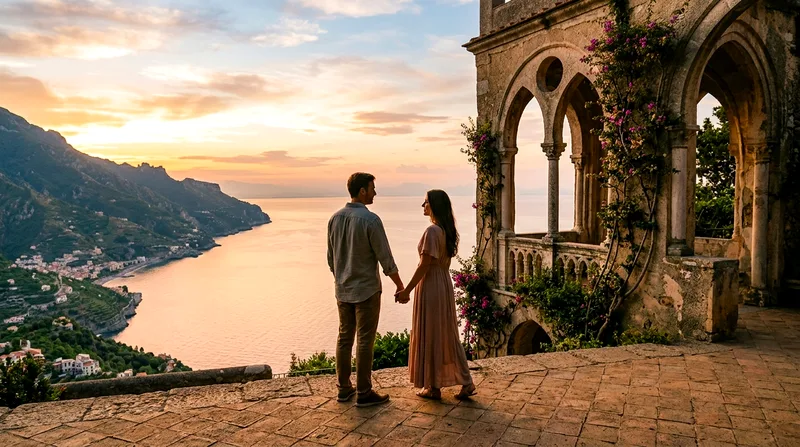
Catch the bus up to Ravello after lunch — it climbs steeply and takes about 25 minutes, with views that make the fare worth it alone. Villa Rufolo is the main stop: its terraced gardens and Moorish cloister cost around €7-8 to enter, and the viewpoint over the coastline is one of the better photo spots on the whole coast, without Positano's crowd density. Villa Cimbrone, a 20-minute walk further, has an even more dramatic cliff-edge terrace if you have an extra hour.
For dinner, Ravello has a calmer, more residential feel than the beach towns — reservations matter less here and portions tend to be generous. If you're not exhausted, ask locally about the detour to Fiordo di Furore on your way back down; it's a narrow fjord-like inlet with a beach at the bottom reached by over 100 steps, dramatic but genuinely tiring after a full day, so treat it as optional rather than mandatory.
Getting Around the Amalfi Coast
Amalfi Coast transportation options break down into three realistic choices: SITA buses, seasonal ferries, and driving yourself. Buses are cheap — a ticket between towns typically costs €1.50-3 — but they get packed in summer and the road's single lane in each direction means a stalled delivery truck can cost you 30 minutes you didn't budget for.
Ferries run from Easter through October roughly, connecting Salerno, Amalfi, Positano, and sometimes Sorrento and Capri. They're more expensive than buses but far more scenic, and they skip traffic entirely, which matters more than people expect until they're stuck on a bus for an hour watching the same hairpin turn from different angles. Driving gives you flexibility but adds stress: parking in Positano or Amalfi during midday in July is genuinely difficult, and many hotels charge €20-30 a night for a spot if they have one at all. For a two-day trip, I'd skip the rental car entirely and lean on ferries by day and buses or taxis by evening.
Ferries are the fastest and most scenic way to link towns on an Amalfi Coast 2 day itinerary, while buses are cheaper but slower in peak season.
Amalfi Coast 2 day itinerary: transport options compared
| Option | Typical Cost | Speed | Best For |
|---|---|---|---|
| SITA Bus | €1.50-3 per ride | Slow in summer traffic | Budget travelers, inland stops like Ravello |
| Ferry (seasonal) | €8-20 per ride | Fast, no traffic | Positano-Amalfi-Salerno hops |
| Rental Car | €40-70 per day plus parking | Flexible but congested | Travelers with extra days, off-season visits |
| Private Driver/Taxi | €60-120 per transfer | Fast, door to door | Evening transfers, groups splitting cost |
Typical figures; ferry schedules run roughly April through October and vary by operator and season, so check before you travel.
Where to Base Yourself
Sorrento is the practical choice for a short trip — it has train access from Naples (about 70 minutes on the Circumvesuviana), more hotel availability, and generally lower prices than Positano or Amalfi town. You lose a bit of "being in the thick of it," but you gain logistics, and logistics matter more on a 48-hour amalfi coast guide than on a week-long stay.
Salerno works too, especially if you're arriving by train from Rome or Naples, and it puts you closer to Amalfi and Ravello on day two. Staying in Positano itself sounds appealing but means higher prices — often double what you'd pay in Sorrento for a comparable room — and you'll still want to leave town for Praiano and Amalfi anyway. Amalfi town is a reasonable middle ground if you don't mind evening crowds thinning out as day-trippers leave. Avoid trying to base in Ravello for a two-day trip; it's beautiful but the bus connections down to the coast run less frequently in the evening than you'd like.
Bookable Experiences and Tours
For a trip this short, pre-booking is what actually saves you time, not luck. Walking up to a boat dock in August and hoping for a same-day spot usually ends in disappointment or an inflated price from whoever's left selling tickets.
Boat Tours and Water Activities
Book one boat experience ahead — either the Praiano sunset tour on day one or the Emerald Grotto visit on day two, not both, unless you're comfortable with a packed schedule. Full-day boat tours to Capri exist and are popular, but they eat 7-8 hours you don't have on a two-day trip; save Capri for a future visit when you can give it its own day. Check current prices and departure times before you book, since schedules shift seasonally and shrink significantly outside summer.
Guided Village Walks and Food Tours
A short guided walking tour of Amalfi or Positano, often 2-3 hours, is worth considering if you want context on the ceramic and paper-making traditions rather than just photos of them. Food tours covering limoncello tasting, mozzarella, and local pasta shapes run in most towns along this coast and typically last 3 hours — a reasonable add-on for Praiano's slower afternoon rather than Positano's packed morning. Compare current boat tours and prices before you book, since availability tightens fast in peak months.
Frequently asked questions
Can you see the Amalfi Coast in 2 days?
Yes, if you focus on four towns rather than trying to cover the whole coast. Positano, Praiano, Amalfi, and Ravello fit into a tight two-day plan using ferries and buses. Trying to add Capri or Pompeii turns a relaxed weekend into a rushed checklist, so pick one extra stop at most if you have flexibility.
Is it better to stay in Positano or Amalfi town?
Amalfi town is generally cheaper and has better onward bus and ferry connections toward Ravello and Salerno, making it more practical for a short trip. Positano is prettier for photos and has a livelier evening scene, but rooms often cost noticeably more for similar quality. For a 2-day plan, Sorrento or Amalfi makes more logistical sense than Positano.
What is the best way to get around the Amalfi Coast?
Ferries are the fastest option between coastal towns from roughly April through October, avoiding the single-lane road traffic entirely. SITA buses are cheaper and run year-round but get crowded and slow in peak summer months. For a 48-hour trip, combining ferries by day with short taxi rides in the evening works better than renting a car.
Do I need a car on the Amalfi Coast?
No — for a 2-day trip a car usually adds stress rather than removing it. Parking is scarce and expensive in Positano and Amalfi town, often €20-30 a night even at hotels, and the coastal road is narrow with heavy summer traffic. Buses, ferries, and the occasional taxi cover this itinerary fine without a rental.
What should I pack for a 2-day Amalfi Coast trip?
Pack comfortable shoes with real grip — many town centers involve steps and uneven stone, especially in Positano and Ravello. Bring a swimsuit for any boat tour swim stops, a light layer for breezy evening ferry rides, and cash, since smaller shops and some ceramics stalls don't take cards. Sun protection matters more than people expect; there's little shade on boats or beach terraces.