Follow this Amalfi Coast 3 day itinerary covering Positano, Ravello, and Amalfi town, with boat tours, hiking, and food experiences included.
Who This Itinerary Is For
This Amalfi Coast 3 day itinerary is built for people visiting for the first time and who want the headline towns — Positano, Amalfi, Ravello — plus one proper boat day, without the logistical mess of trying to add Capri or Pompeii into the same trip. If you've got four or more days, add Capri as a standalone day trip from Sorrento or Amalfi; cramming it into a 3-day plan just means a rushed hydrofoil ride and no real time on the island.
Couples and solo travelers get the most flexibility here, since timing around SITA bus schedules and boat departures is easier without coordinating a group. Families with children under eight should know that Positano and Amalfi both involve serious stair climbing — Positano's center is essentially a vertical village — so plan for slower mornings and shorter afternoons. Senior travelers can absolutely do this itinerary, but I'd suggest basing in Amalfi town itself rather than Positano, since it has flatter access to the waterfront and fewer steps between accommodation and the main sights.
What this itinerary won't give you: a lazy, unstructured holiday. Three days moves. If you want slow mornings with no plan, stretch this to four or five days and drop Ravello, which is the easiest day to sacrifice if time runs short.
Day 1: Positano and Coastal Exploration
Arrive in Positano by mid-morning if you can — the SITA bus from Sorrento takes about 40-50 minutes, and from Salerno it's closer to 70 minutes depending on traffic on the coastal road's hairpin turns. Buses fill fast in peak season (June through September), so buy your ticket at a tobacconist before you reach the stop, since drivers don't sell them.
Morning and Afternoon in Positano
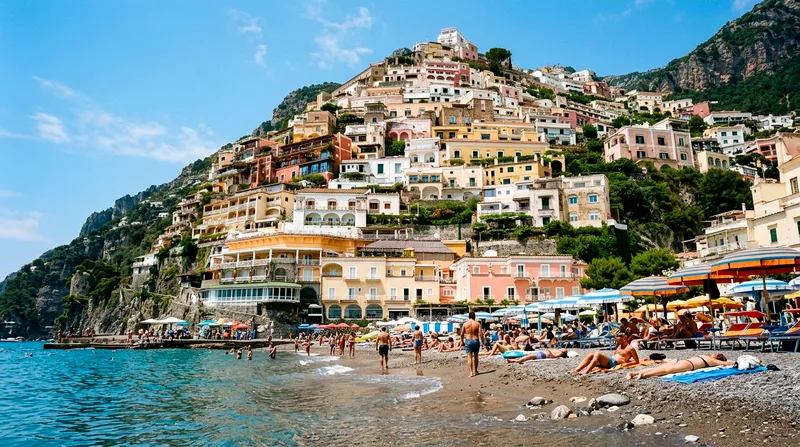
Spend the morning walking down through town toward Spiaggia Grande, the main beach. It's mostly stairs — around 1,700 steps from the upper bus stop to sea level by some local counts — so wear real shoes, not sandals. Budget two to three hours for wandering the boutiques, the Church of Santa Maria Assunta with its majolica-tiled dome, and the viewpoints along Via Positanesi d'America, the old fishermen's path toward Fornillo beach. Fornillo itself is quieter and cheaper than Spiaggia Grande — a sunbed and umbrella there runs roughly €15-20 per person versus €25-35 on the main beach in high season.
If you'd rather skip the crowds, Praiano, 10 minutes further along the coast road, has a calmer beach at Marina di Praia and fewer day-trippers. It's a reasonable half-day substitute if Positano feels overwhelming.
Evening Dining and Sunset
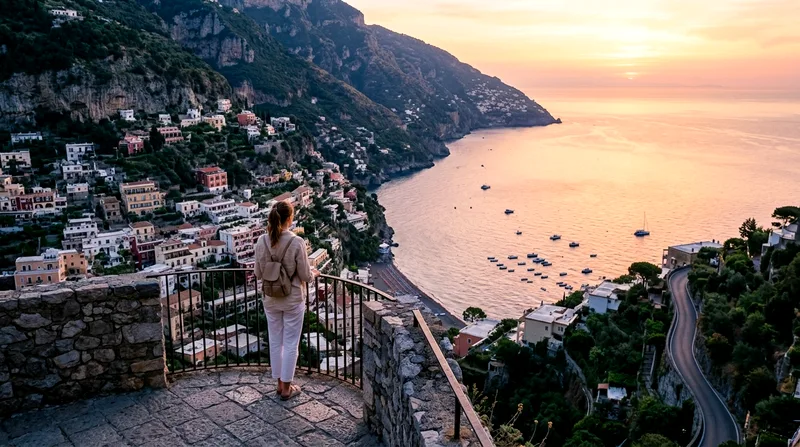
Stay in Positano for sunset rather than rushing back to your base — the light on the cliffside houses after 6pm is the reason half the photos of this coast exist. Book a terrace restaurant table in advance if you want a sea view at dinner; places along the upper town fill quickly from 7pm onward. Expect €40-60 per person for a proper seafood dinner with wine. If budget matters more than the view, eat one street back from the waterfront, where a pizza and a glass of local wine runs closer to €15-20.
Day 2: Boat Tour and Emerald Grotto
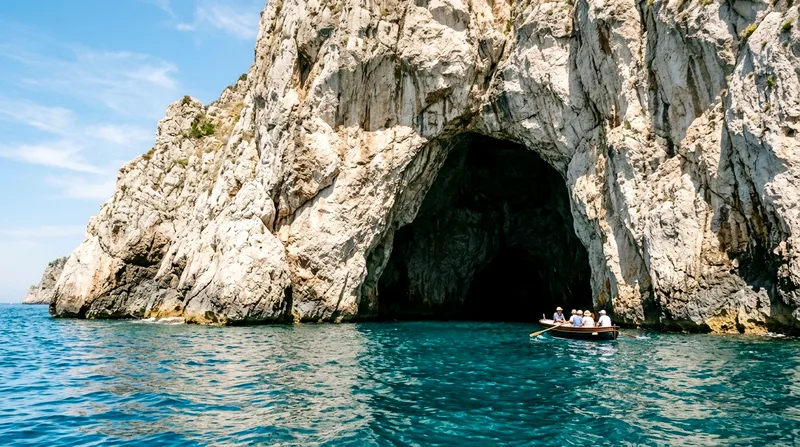
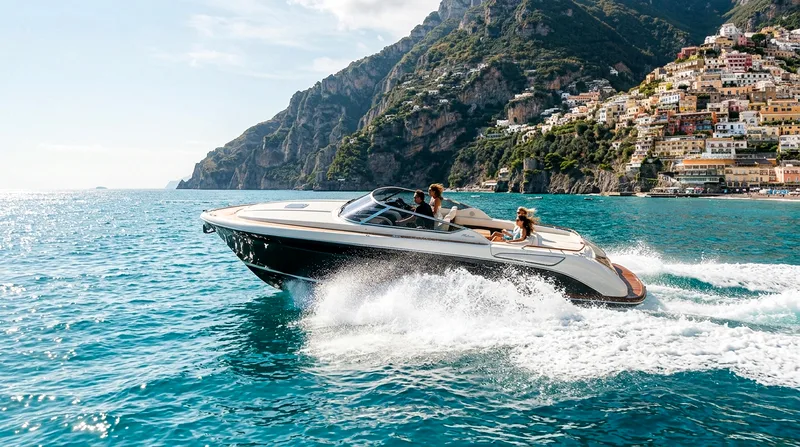
Day two is the one experience on this itinerary worth booking weeks ahead: a boat tour along the coastline, usually departing from Amalfi, Positano, or Salerno, that takes in the Emerald Grotto (Grotta dello Smeraldo), the Fiordo di Furore, and often Atrani and Praiano's coastline from the water. Seeing these towns from the sea gives you a completely different sense of scale than the bus views — cliffs that look merely steep from the road look nearly vertical from a boat deck.
Morning Boat Departure
Most half-day boat tours depart between 9am and 10am and run three to four hours. The Emerald Grotto itself requires a small rowboat transfer from the tour boat to get inside — entry is typically around €10 extra if it's not already bundled into your tour price, and the cave is only accessible when sea conditions allow, so it sometimes gets skipped in rough weather. The Fiordo di Furore, a narrow inlet beneath a tall bridge between Praiano and Amalfi, is one of the better photo stops and takes only a few minutes to pass by boat. Compare current boat tours and prices before you book, since routes and what's included vary by operator and season.
Afternoon Beach Time and Swimming
After the boat returns — usually early afternoon — head to Amalfi town for lunch and some swimming time at one of the small beaches near the Marina Grande. Water temperatures are swimmable from June through September; the Tyrrhenian here stays cooler than you'd expect even in August, around 24-25°C. If the sea's too choppy for swimming, use the afternoon to walk Atrani instead — a five-minute walk from Amalfi and one of the smallest, least-visited towns on the whole coast, with a quiet piazza and a beach that rarely gets crowded.
Rainy day alternative: skip the boat (tours often cancel or reschedule in poor weather anyway) and spend the day in Amalfi's Duomo di Sant'Andrea and the adjoining cloister, then walk the covered paper mill museum, Museo della Carta — a good indoor option when the coast road is wet and visibility is poor.
Day 3: Ravello and Mountain Views
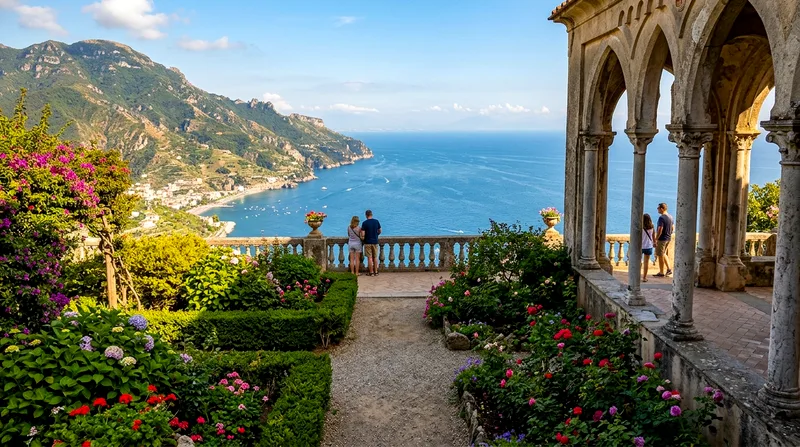
Ravello sits about 365 meters above sea level, a 25-minute SITA bus ride from Amalfi up a series of switchbacks. It's the one town on this itinerary without direct sea access, and that's exactly its appeal — the views look down over the whole coastline rather than along it.
Morning in Ravello Town
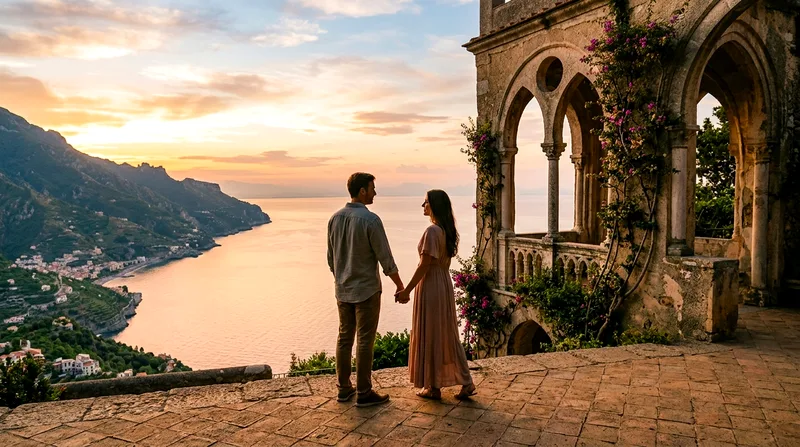
Start at Villa Rufolo, open daily with entry around €7-8, whose gardens were apparently the inspiration for parts of Wagner's Parsifal — the terrace view over the sea and Minori below is one of the best framed views on the whole coast, arguably better composed than anything in Positano because you're looking down from height rather than across. From there, walk the short distance to the Duomo on Piazza Centrale, then continue to Villa Cimbrone for another, quieter garden with a cliffside belvedere. Ravello is far flatter to walk than Positano or Amalfi, which makes it the easier town for older travelers or anyone tired from two days of stairs.
Afternoon Food Tour or Hiking
In the afternoon, choose between a guided food and wine tasting — Ravello has a few small producers doing limoncello and local wine tastings, generally €25-40 per person for a seated tasting with snacks — or a hike. The path down from Ravello toward Minori (roughly 90 minutes, mostly downhill through lemon terraces) is one of the better half-day trails on the coast, less crowded and less exposed than the famous Path of the Gods above Positano. If you've got energy left and want the bigger hike instead, the Path of the Gods from Bomerano to Nocelle takes about three hours and should be done in the morning, not as an afternoon add-on — it's not a casual stroll.
Where to Base Yourself
Amalfi town is the most practical base for this itinerary — it's roughly central, flatter than Positano, and well connected by SITA bus and ferry to both Positano and Ravello. A mid-range three-star room runs around €120-180 a night in high season.
Positano looks better in photos but it's genuinely inconvenient as a base: narrow lanes, constant stairs, and accommodation prices that run 30-40% higher than Amalfi for comparable quality. Sorrento, just outside the coast proper, is a reasonable budget alternative with better train access from Naples, but you'll add 40-60 minutes of bus time to every single day of this itinerary, which eats into your three days fast. Ravello works for travelers prioritizing quiet and views over nightlife, but its bus connections thin out in the evening, so you're stuck earlier than you would be in Amalfi.
Each day of this Amalfi Coast 3 day itinerary has a distinct focus, so pick a base that keeps travel time between them short.
Amalfi Coast 3 day itinerary: daily focus, time needed, and activity type
| Day | Main Focus | Time Needed | Activity Type |
|---|---|---|---|
| Day 1 | Positano town and beaches | Full day | Walking, beach, dining |
| Day 2 | Boat tour and Emerald Grotto | Full day | Boat, swimming, sightseeing |
| Day 3 | Ravello and hiking | Half to full day | Walking, hiking, tasting |
| Rainy day swap | Amalfi Duomo and museums | Half day | Indoor sightseeing |
| Extra day option | Capri day trip | Full day | Boat, walking |
Typical timings and durations; actual bus and ferry schedules vary by season, so check before you travel.
Getting Around the Amalfi Coast
The SITA Sud bus is the backbone of this itinerary, running the coastal road between Sorrento, Positano, Amalfi, and Ravello roughly every 30-60 minutes depending on season. Tickets cost a few euros per ride and must be bought before boarding — there's no on-bus purchase. Buses get genuinely packed in July and August; standing for a 45-minute ride on a winding road isn't pleasant, so travel outside midday peak hours when you can.
Ferries between Amalfi, Positano, Salerno, and Sorrento run from roughly April through October and are worth using instead of the bus at least once — they're faster, you skip traffic entirely, and the coastal views from the water are better anyway. A one-way ferry ticket between Amalfi and Positano runs around €10-15. Driving yourself is possible but not something I'd recommend for a first visit: the coast road is narrow, parking in Positano and Amalfi is scarce and expensive, and the hairpin turns are stressful if you're not used to them. Unless you specifically want to detour inland to Ravello's surrounding villages, skip the rental car and lean on buses and ferries.
Bookable Experiences and Tours
Two things on this itinerary are worth reserving before you land in Italy rather than booking on the ground: the boat tour on Day 2, and any food or wine tasting you want on Day 3. Everything else — buses, beach entry, church visits — can be sorted day-of.
Guided Boat and Grotto Tours
A half-day guided boat tour covering the Emerald Grotto, Fiordo di Furore, and the coastline between Amalfi and Positano is the single bookable experience that shapes this whole itinerary, since availability tightens in peak summer and some operators cap group sizes on smaller boats. Tours typically run three to four hours and include stops for swimming where conditions allow. Compare current boat tours and prices before you book — departure points and what's bundled (grotto entry, lunch, drinks) differ enough between operators that it's worth checking the specifics rather than assuming.
Food and Wine Experiences
Ravello's limoncello and wine tastings, and Amalfi's small cooking classes focused on local seafood and lemon-based dishes, both tend to run in small groups and fill up days ahead in high season. A hands-on pasta or seafood cooking class generally runs €60-90 per person and takes about three hours, usually including the meal you cook. If you only have time for one food experience across the three days, put it on Day 3 afternoon in Ravello — it pairs naturally with the lighter, more relaxed pace of that day.
Frequently asked questions
Is 3 days enough time for the Amalfi Coast?
Yes, for the core towns — Positano, Amalfi, and Ravello — three days works well if you base centrally and don't try to add Capri or Pompeii. You'll move at a decent pace each day, but you won't feel rushed if you follow one town per day rather than hopping between several.
What is the best time to visit for this itinerary?
Late May, June, and September give you warm enough water to swim, functioning ferry schedules, and noticeably thinner crowds than July and August. April and October work for sightseeing and hiking but ferries run less frequently and the sea is too cold for most people to swim comfortably.
Can you do this itinerary without a car?
Yes, and it's genuinely easier without one. SITA buses and seasonal ferries connect every town in this itinerary, and parking in Positano and Amalfi is limited and expensive. Skip the rental car unless you're planning side trips well inland beyond Ravello.
What should I pack for a 3-day Amalfi Coast trip?
Sturdy walking shoes are non-negotiable — Positano and Amalfi both involve hundreds of steps. Bring a light rain layer even in summer for boat spray, a reusable water bottle, and modest clothing for church visits in Ravello and Amalfi, where bare shoulders and short shorts aren't always welcome.
Are boat tours available year-round?
No. Most boat tours and the Emerald Grotto's rowboat access run from around April through October, weather permitting. Outside that window, choppy winter seas frequently cancel departures, so if you're visiting between November and March, build in a backup land-based day instead.