Solo travel guide to the Amalfi Coast with group tours, cooking classes, and safe hiking. A flexible 4-day itinerary designed for travelers going alone.
Who This Itinerary Is For
This Amalfi Coast solo travel itinerary assumes four full days, a base in one town rather than hopping hotels nightly, and a willingness to use public transport instead of renting a car. If that's not your style, skip ahead — but for most people traveling alone, those three choices make the difference between a relaxing trip and an exhausting one.
I'd recommend this pacing for first-time solo travelers to Italy, people in their 20s through 70s who don't mind walking and standing on buses, and anyone nervous about eating alone — this itinerary builds in two group activities specifically to solve that problem. It's less ideal for solo travelers chasing nightlife; the coast's energy is dinner-and-a-walk, not clubbing, and younger solo travelers wanting that scene are better off adding a few nights in Naples.
Compared to Cinque Terre, another popular solo-friendly coast, Amalfi has better bus infrastructure but worse crowd management in July and August — the coastal road from Sorrento to Amalfi can gridlock for an hour near Positano at midday. Build buffer time into transfers, especially between Day 1 and Day 2.
This plan also assumes moderate fitness. The Path of the Gods hike on Day 2 is a real trail with uneven footing, not a paved promenade, and skipping it for a flatter walk is a legitimate choice I'll flag again below.
Each day of this Amalfi Coast solo travel itinerary centers on one main activity type, so you can swap days around based on weather or energy levels.
Amalfi Coast solo travel itinerary: daily highlights, duration, and activity type
| Day | Main Activity | Type | Approx. Duration |
|---|---|---|---|
| Day 1 | Arrival, Positano beach and old town | Arrival / cultural | Half day |
| Day 2 | Path of the Gods hike, Ravello | Hiking / cultural | Full day |
| Day 3 | Amalfi Duomo, cooking class | Cultural / culinary | Full day |
| Day 4 | Boat tour, transfer to Salerno | Boat tour / departure | Half day |
Durations are approximate and depend on bus and ferry schedules, which vary by season.
Day 1: Arrival and Positano
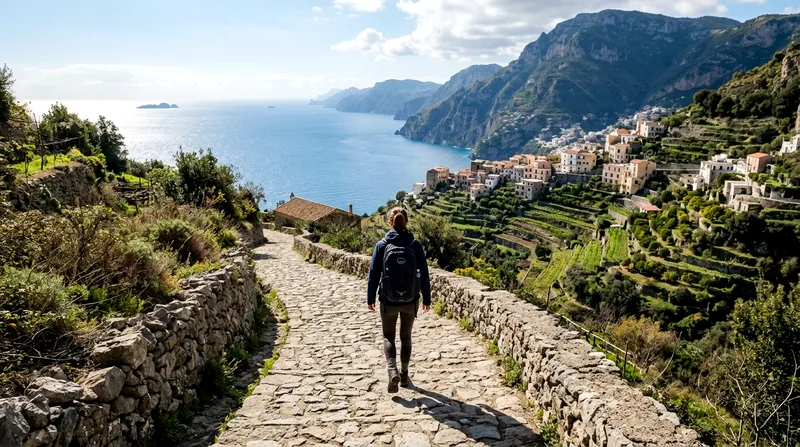
Most solo travelers arrive via Naples airport or Salerno train station, then connect by bus, ferry, or private transfer. Budget the whole first day for arrival and a soft start — don't schedule anything time-sensitive.
Morning and afternoon
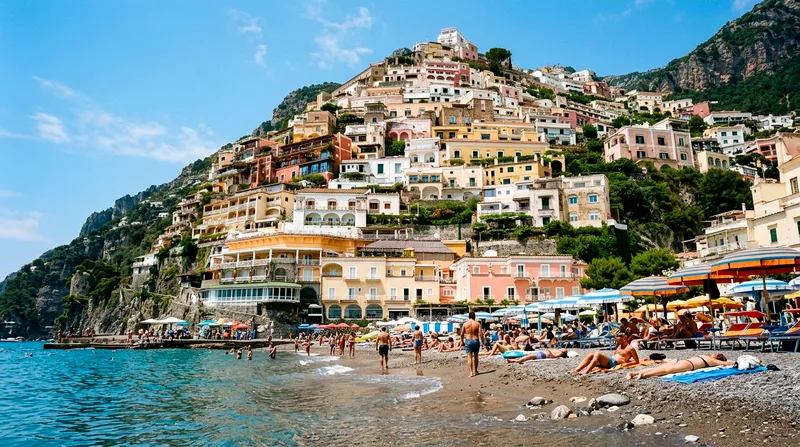
From Naples, the Curreri bus service runs directly to Sorrento (about 75 minutes, roughly €10-12), where you can catch a SITA bus or seasonal ferry on to Positano. From Salerno, ferries to Positano run roughly April through October (about 70 minutes) and are more scenic than the bus, which can take just as long in traffic but costs less — SITA fares run small change per leg, paid at tobacco shops, not onboard. Drop your bag at your accommodation, then walk down to Spiaggia Grande for a first look at the town from the water line. Positano's steps are relentless; wear real shoes, not sandals, on day one.
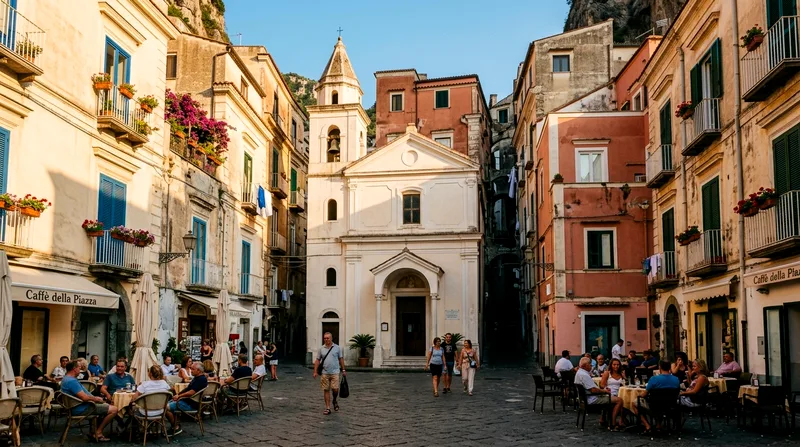
Lunch solo is easy here — most restaurants have counter or bar seating, and nobody blinks at a party of one. Try a focaccia or a simple seafood pasta rather than booking a sit-down table; it's cheaper and faster.
Evening
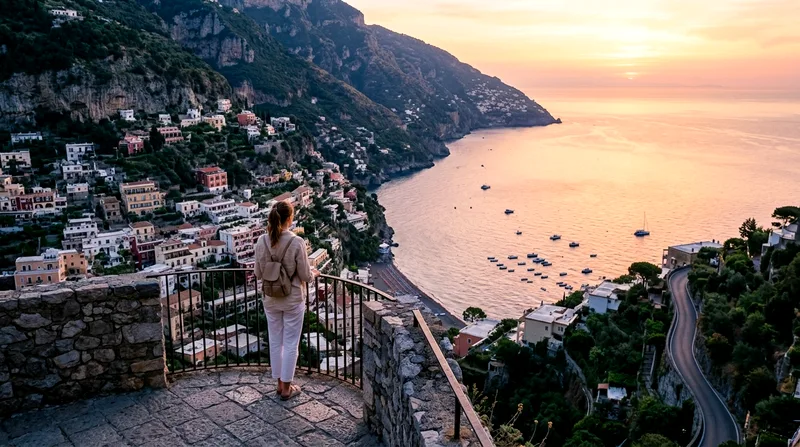
Watch sunset from one of the terraces near Via Positanesi d'America, the coastal path connecting Spiaggia Grande to Fornillo beach — it's flat, well-lit, and a good solo evening walk. For dinner, consider booking a small-group food tour or wine tasting for this first night; it's a low-pressure way to meet other travelers early in the trip rather than waiting until you're tired of eating alone. Check current prices and availability for Positano food and wine experiences before you book, since options and schedules shift seasonally.
Day 2: Hiking and Ravello
This is the most physically demanding day of the itinerary and, for most solo travelers, the highlight.
Morning and afternoon
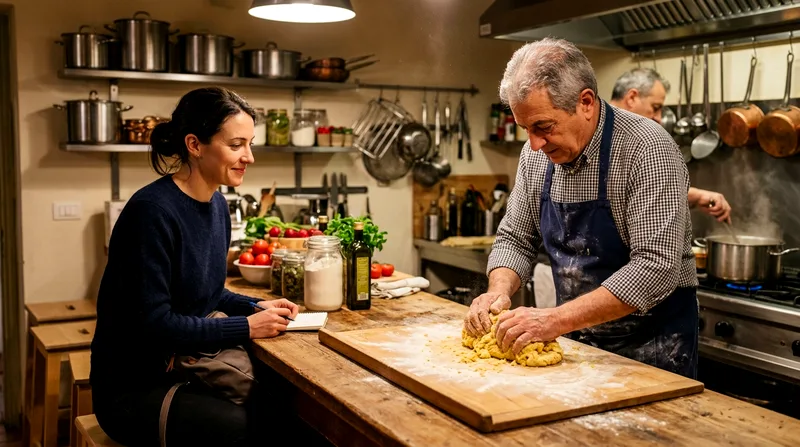
Take an early SITA bus toward Bomerano (via Agerola) to start the Path of the Gods from its higher, easier end — finishing downhill into Nocelle and Positano is far more manageable than climbing up. The full trail runs about 7.8 km and takes 3 to 5 hours at a relaxed pace, with consistent sea views over the Tyrrhenian Sea. Solo hikers should start before 9am in summer to avoid heat and crowds, carry at least a liter of water, and tell someone your rough plan — cell signal drops in stretches. If you'd rather not hike alone, a small-group guided hike is worth booking in advance; it solves both the safety question and the route-finding, since trail markings are inconsistent in a few spots.
If hiking isn't your thing, skip it entirely — the bus ride itself gives you coastal views, and you can head straight to Ravello instead, saving a full day of leg fatigue.
Evening
From Amalfi or Positano, catch a bus up to Ravello, about 25-40 minutes depending on traffic and starting point. Visit Villa Rufolo (entry around €7-8), whose gardens host the Ravello Festival in summer and offer the best panoramic view on the whole coast — better, honestly, than anything in Positano itself. Have dinner in Ravello before the last bus down; services thin out after 9pm, so check the schedule rather than assume one is coming.
Day 3: Amalfi and Cooking Class
A gentler day centered on the town of Amalfi itself and a planned social activity in the evening.
Morning and afternoon
Spend the morning in Amalfi town — the Duomo di Sant'Andrea with its striped facade and cloister (entry around €3-5) takes under an hour, leaving time to wander the paper museum (Museo della Carta) if you're interested in the town's medieval papermaking history. In the afternoon, consider a boat excursion to the Emerald Grotto near Conca dei Marini; it's touristy and the entry fee stacks on top of the boat fare, so weigh whether the novelty is worth it against simply swimming off Amalfi's small harbor beach instead, which costs nothing.
Evening
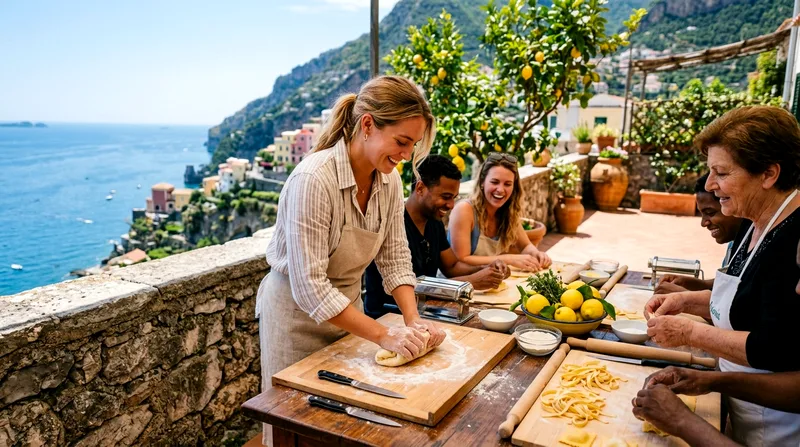
Book a group cooking class for this evening — it's the single best social activity on this itinerary. Most run 3 to 4 hours, include a multi-course meal you help prepare, and seat solo travelers alongside couples and small groups at shared tables. Classes focused on fresh pasta or pizza are common along this coast and in nearby Sorrento; check current prices and availability before booking, as group sizes and start times vary by operator and season.
Day 4: Boat Tour and Departure
Your last day should be light on logistics, since you'll likely be departing from Naples or Salerno.
Morning and afternoon
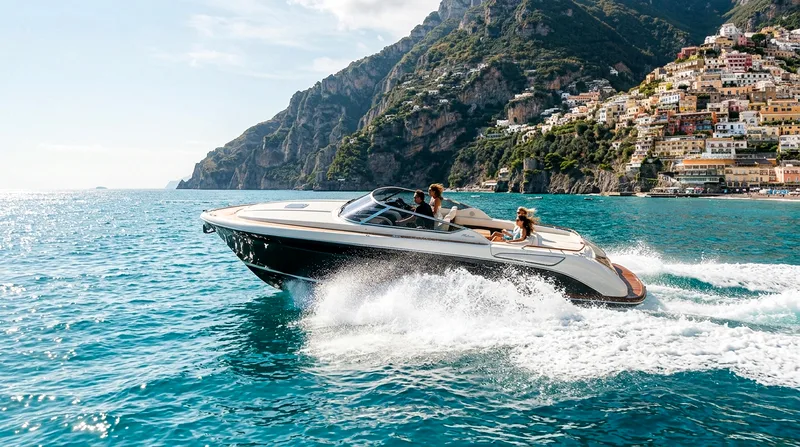
Book a morning boat tour along the coastline — a shared group tour works well solo, since you're seated among other travelers and the narration (when included) gives you something to engage with without needing a travel companion. Many depart from Amalfi or Positano and run 3 to 4 hours, covering sea stacks, grottoes, and swim stops. This is also when seeing the coast from the Tyrrhenian Sea itself reframes everything you walked past on land — Positano's cliffside buildings look different from the water than from the clifftop paths.
Evening
If your flight or train is the next morning, overnight in Salerno rather than doubling back to Sorrento — it's a 35-minute ferry or bus from Amalfi, has a proper train station with direct connections, and is noticeably cheaper for a one-night stay than Positano or Ravello. Have a final dinner near the Salerno waterfront rather than rushing straight to a hotel room.
Where to Base Yourself
Positano gets the postcards, but it's not necessarily the best solo base — it's expensive, steep, and quiet after 10pm. Amalfi town is a stronger choice for solo travelers: flatter, better connected by bus and ferry in both directions, and noticeably cheaper for single rooms. Sorrento, just outside the coast proper, is another solid option, especially if you're combining this trip with Pompeii or Naples — it has more budget accommodation and a livelier aperitivo scene, useful if you want casual company some evenings.
Ravello is beautiful but a poor base logistically; its bus connections run less frequently, which matters if you're relying on public transport alone. Avoid basing in Capri unless you're doing a dedicated Capri side trip — the ferry schedule and tourist volume make it inefficient as a base for exploring the mainland coast.
For a true "no car, no group" trip, Amalfi town balances location, cost, and transport better than anywhere else on this stretch.
Getting Around Solo
SITA buses are the backbone of Amalfi Coast solo travel — they connect every town mentioned here, run roughly every 30-60 minutes in high season, and cost a few euros per ride if you buy tickets in advance from a tobacco shop (tabacchi), since drivers don't sell them onboard. Buses get extremely crowded in July and August; standing room only is normal, and solo travelers should keep bags in front of them.
Ferries between Salerno, Amalfi, Positano, and Capri run seasonally, roughly Easter through October, and are worth the slightly higher cost over buses when the coastal road is jammed. They're also simply a better experience — no hairpin turns, open-air seating, no traffic.
I wouldn't recommend renting a car solo on this coast. The road is narrow, parking is scarce and expensive, and many town centers are pedestrian-only anyway. Driving yourself adds stress without adding flexibility that buses and ferries don't already cover.
Bookable Solo-Friendly Experiences
The activities worth reserving ahead are the ones with fixed group sizes or limited slots — everything else on this itinerary can be done on the fly.
Group tours and classes
Prioritize three bookings: a small-group Path of the Gods hike if you'd rather not navigate alone, a cooking class (pasta or pizza-making, typically 3-4 hours with a shared meal), and a group boat tour along the coast. All three put you at a table or in a group with strangers by design, which solves the main complaint solo travelers have about this region — not safety, but the quiet stretches of eating or touring completely alone. Compare current prices and schedules before booking, since availability shifts by season and operator.
Safety and logistics
Solo travel safety on the Amalfi Coast is generally good — it's a low-crime tourist region, and the main risks are practical rather than personal: uneven steps, crowded bus platforms, and heat exhaustion on hikes. Share your daily plan with someone at home, especially on hiking days, and keep a photo of your passport and accommodation address on your phone. Solo female travelers report the coast as comfortable, though the usual precautions around late-night walks in unlit areas (stretches of the Amalfi-Positano road, for instance) still apply.
Frequently asked questions
Is it safe to travel solo on the Amalfi Coast?
Yes — it's a well-touristed, low-crime region, and solo travelers of all ages visit without incident. The real risks are practical: uneven steps and cliffside paths, crowded buses in peak summer, and heat on hikes like the Path of the Gods. Tell someone your plan on hiking days, carry water, and avoid unlit stretches of coastal road late at night.
What group tours are available for solo travelers?
The most solo-friendly options are small-group hikes along the Path of the Gods, shared boat tours along the coastline from Amalfi or Positano, and hands-on cooking classes focused on pasta or pizza. These typically seat solo travelers with other small groups or couples, making them a practical way to have company for a few hours without committing to a full tour group for your whole trip.
How do solo travelers get around the Amalfi Coast?
SITA buses connect every major town and are the cheapest option, though they get crowded in July and August. Seasonal ferries between Salerno, Amalfi, Positano, and Capri run roughly April to October and are faster and more comfortable than buses when the coastal road is congested. Renting a car solo isn't recommended — parking is scarce and the roads are narrow and stressful to drive alone.
Where should a solo traveler stay on the Amalfi Coast?
Amalfi town is the strongest base for solo travelers — flatter than Positano, better connected by bus and ferry, and generally cheaper for single rooms. Sorrento is a good alternative if you're combining the coast with Pompeii or Naples. Positano is beautiful but pricier and quieter at night; Ravello is scenic but has limited bus frequency, making it a weaker base for day-tripping without a car.
What cooking classes welcome solo participants?
Classes centered on fresh pasta-making or pizza are widely offered in Amalfi, Positano, and Sorrento, typically running 3 to 4 hours and including a shared meal at the end. Solo participants are common, and most classes seat everyone at communal tables regardless of how they booked. Check current prices and group sizes when booking, since these details vary by season and operator.