Compare Rome to Amalfi Coast transfers: train + car combos, direct shuttles, luggage handling & booking tips for smooth travel.
Who Each Transfer Option Suits Best
There's no direct train from Rome to Positano or Amalfi — the coast has no major rail station of its own, which is the single fact that shapes every transfer decision you'll make. Every route funnels through Naples or Salerno first, then switches to road transport for the final stretch. Once you accept that, the real question becomes which combination of train, car, and shuttle fits your budget, group size, and tolerance for logistics.
A rome to amalfi coast transfer isn't one product — it's a category of solutions ranging from fully independent (train tickets plus local buses) to fully managed (a private car booked door-to-door from your Rome hotel to your Positano address). Most travelers land somewhere in the middle: a high-speed train to Salerno, then a private or shared transfer for the last 40-60 minutes of coastal road. That combination balances cost and comfort better than almost any other option, which is why it's the default recommendation for first-time visitors.
Budget-Conscious Travelers
If cost matters more than convenience, take the regional or high-speed train from Rome Termini to Salerno, then connect to a SITA bus or local ferry for Amalfi, Positano, or Ravello. This route can run noticeably cheaper than a private transfer, but you'll be handling your own luggage on crowded buses with no air conditioning in July and August. Budget travelers should also weigh Naples as an alternative hub — flights or trains into Naples are sometimes cheaper than continuing to Salerno, and the Circumvesuviana train connects Naples to Sorrento, from where ferries reach Positano and Amalfi in season.
Comfort and Convenience Seekers
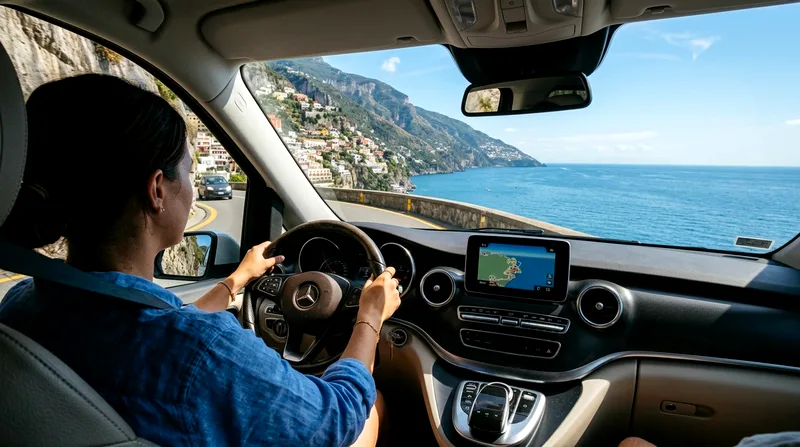
For travelers who'd rather not wrestle suitcases onto a bus, the train-plus-private-car combination is worth the extra cost. You get the speed of rail for the long Rome-to-Salerno leg, then a driver who knows the coastal road handles the stressful part — tight curves, limited parking, and drop-off restrictions in pedestrian zones like central Positano. This is also the better choice for senior travelers or anyone with mobility concerns, since a private car means no stairs, no platform changes, and no standing room only on a packed bus.
Groups and Families
Families with three or more pieces of luggage, strollers, or young children generally do best with either a private transfer sized for the group or a shared shuttle service booked in advance. Splitting a family of five across public buses with luggage is workable but tiring — buses to Positano and Amalfi get standing-room-only in peak summer, and drivers don't always stop if a bus is already full. A private minivan transfer costs more per booking but often works out similar per person once you account for four or five train tickets plus bus fares.
Transfer Methods Compared

Three realistic categories exist for getting from Rome to the Amalfi Coast: train plus private car, a direct shuttle service, and self-drive with a rental car. Each has a distinct profile in terms of cost, flexibility, and stress level — and the right pick depends heavily on how many people are traveling and how much you value door-to-door convenience over price.
The train-plus-car combo is fastest overall, while shuttles trade speed for single-booking simplicity and rental cars add flexibility at the cost of stress on coastal roads.
Rome to Amalfi Coast transfer options compared by time, cost, and best use
| Transfer Method | Total Journey Time | Cost Level | Best For | Main Drawback |
|---|---|---|---|---|
| Train + private car | approx. 3-3.5 hrs | Mid to high | First-timers, couples, seniors | Requires coordinating two bookings |
| Direct shuttle | approx. 4-5 hrs | Low to mid | Groups, flexible schedules | Longer travel time, fixed departures |
| Rental car (self-drive) | approx. 3-4 hrs | Mid (plus fuel/tolls/parking) | Travelers exploring inland Campania | Stressful cliffside driving, scarce parking |
| Train to Naples + ferry via Sorrento | approx. 4-5 hrs | Low to mid | Budget travelers, seasonal (Apr-Oct) | Ferries limited or suspended off-season |
Typical figures; actual travel time varies with traffic, season, and specific pickup/drop-off points, so check current schedules before booking.
High-Speed Train Plus Private Car
Trenitalia's Frecciarossa high-speed trains connect Rome Termini to Salerno in roughly 2 hours 10 minutes to 2 hours 40 minutes depending on the service, with several departures daily. From Salerno, a private car to Positano takes about 45-60 minutes, to Amalfi around 50-70 minutes, and to Ravello closer to an hour, traffic depending. Booking the train and the car separately gives you flexibility — you can pick train times that suit your flight arrival in Rome and then book a transfer timed to meet that specific train. The downside is coordination: if your train is delayed, you need a transfer provider with some buffer built in, so check their policy on tracking arrivals before you book.
Direct Shuttle Services
Shared shuttle services run directly between Rome and coastal towns like Positano, Amalfi, and Sorrento, usually departing from fixed pickup points near Rome Termini or Rome's airports. The appeal is simplicity: one booking, one vehicle, no train transfer to manage. The trade-off is time — a direct shuttle by road from Rome to Positano typically takes 4 to 5 hours depending on traffic around Naples, compared to roughly 3 to 3.5 hours total for the train-plus-car combo. Shuttles also run on fixed schedules with limited daily departures, so they suit travelers with flexible arrival times more than those on a tight schedule.
Rental Car Options
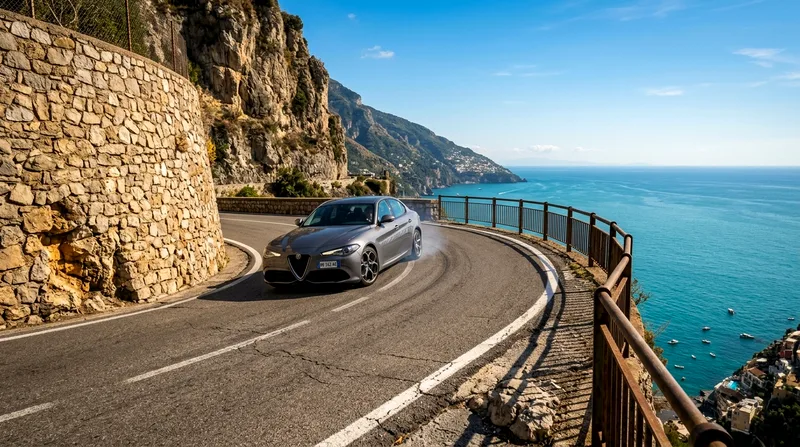
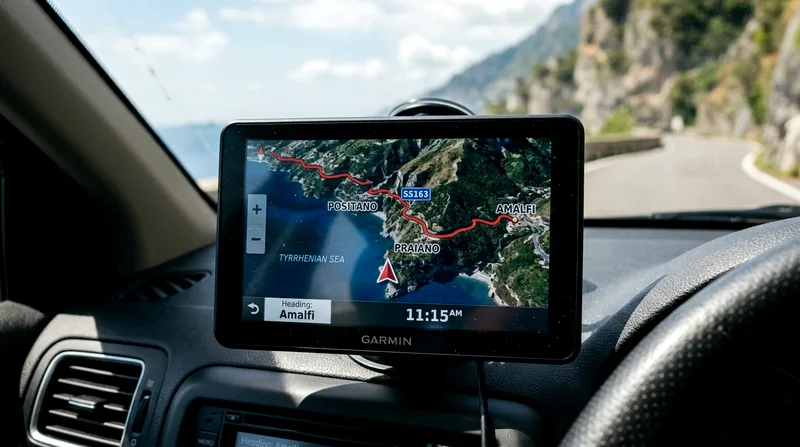
Renting a car in Rome and driving yourself sounds appealing until you actually reach the coastal road between Vietri sul Mare and Positano — narrow, cliffside, heavily trafficked in summer, and short on parking. I wouldn't recommend self-driving for a first visit; even confident drivers find the SS163 stressful in August, and many hotels in Positano and Amalfi have no on-site parking, forcing you into paid lots a steep walk from your room. A rental car makes more sense if you plan to explore inland Campania or detour to Ravello's quieter hill roads, but for a straightforward Rome-to-coast trip, it adds cost (fuel, tolls, parking) without much upside.
What to Look for When Booking
Not all rome amalfi coast private transfer listings are equal, even when they look similar on a booking page. The details that matter most rarely show up in the headline price — they're buried in the fine print about inclusions, vehicle type, and what happens if your flight or train runs late.
Inclusions and Add-Ons
Check whether the price includes meet-and-greet service at Rome Termini or the airport, tolls, and a reasonable amount of waiting time if your train is delayed. Some transfers include a free stop for photos at a viewpoint near Vietri sul Mare or a quick pause in Sorrento — a nice bonus, but confirm it doesn't eat into luggage space or add an hour you didn't plan for. Water bottles and child seats are sometimes included, sometimes an add-on; always ask rather than assume.
Group Size and Vehicle Type
Vehicle type matters more on this route than almost anywhere else in Italy, because the coastal roads are narrow and some hotels can only be reached by smaller cars. A standard sedan works for two people with two suitcases; groups of four or more typically need a minivan, and anything larger than eight passengers may require a minibus that can't access certain town centers, meaning a short walk or local taxi for the final stretch into Positano's lower town.
Cancellation Policies
Look closely at cancellation windows — many transfer bookings allow free cancellation up to 24-48 hours before pickup, but some shuttle services lock in payment earlier, especially in peak months. Given how often flights and trains shift by an hour or two, a flexible policy is worth more than it seems at booking time. Avoid any option that doesn't clearly state its refund terms before you pay.
Best Time to Book Your Transfer
Timing your booking affects both price and availability, especially given how seasonal this route is. The Amalfi Coast essentially runs on two different transport realities: busy season (roughly May through September) and quiet season (October through April), when some ferries stop running entirely and shuttle frequency drops.
Peak Season Considerations
July and August bring heavier road traffic around Naples and along the SS163, which can stretch a 45-minute Salerno-to-Positano drive to well over an hour. Private cars handle this better than shared shuttles, since drivers can adjust routes, but neither is immune to weekend gridlock when Italian domestic tourists add to the mix. If you're traveling in peak season, build in buffer time and avoid scheduling a transfer that connects directly into a tight ferry or restaurant booking in Amalfi or Ravello.
Advance Booking Benefits
Booking a private transfer or shuttle a few weeks ahead — rather than on arrival — generally secures better vehicle availability and sometimes better rates, since prices tend to rise as pickup dates get closer, particularly for larger vehicles. Trenitalia's Frecciarossa fares also increase as departure nears, so locking in train tickets a month or more ahead can meaningfully cut the Rome-to-Salerno leg's cost. Always compare current prices and reviews before booking rather than relying on older figures.
Luggage Handling & Logistics
Private cars and shuttles typically allow one large suitcase and one carry-on per person — check this limit before booking if you're traveling with sports equipment, extra bags, or a stroller. Rome Termini has luggage storage facilities near the station if you want to explore Rome before an afternoon departure. On the coast itself, many hotels in Positano and Amalfi are reached by stairs or short walks from the nearest drop-off point, so a porter service or hotel pickup can matter more than the transfer vehicle itself.
Storage and Transport Solutions
Private cars and shuttles typically allow one large suitcase and one carry-on per person — check this limit before booking if you're traveling with sports equipment, extra bags, or a stroller. Rome Termini has luggage storage facilities near the station if you want to explore Rome before an afternoon departure. On the coast itself, many hotels in Positano and Amalfi are reached by stairs or short walks from the nearest drop-off point, so a porter service or hotel pickup can matter more than the transfer vehicle itself.
Multi-Stop Itineraries
Some travelers combine the Amalfi Coast with Pompeii, Sorrento, or a Capri day trip, and a few transfer providers will build in a stop at Pompeii's archaeological site en route from Rome, adding roughly 2-3 hours to the journey. This works well if you'd otherwise need a separate day trip, but it only makes sense if your transfer company allows flexible timing rather than a fixed drop-off window. For a Ravello stop, note that most main roads bypass the town itself, so a private car with a short detour is far easier than trying to connect via public bus from Amalfi.
Frequently asked questions
What is the fastest way to get from Rome to the Amalfi Coast?
Taking the Frecciarossa high-speed train from Rome Termini to Salerno (about 2 hours 10 minutes to 2 hours 40 minutes), then a private car onward, is generally the fastest combination — roughly 3 to 3.5 hours door-to-door to Positano or Amalfi. Direct road shuttles take longer, usually 4 to 5 hours, because they travel the full distance by road past Naples.
How much luggage can I bring on a Rome to Amalfi transfer?
Most private transfers and shuttles allow one large suitcase and one carry-on per passenger. If you're traveling with extra bags, sports equipment, or a stroller, mention this when booking — vehicles sized for four passengers don't always have trunk space for six large suitcases.
Can I book a transfer that stops in multiple towns?
Yes. Many private transfer services allow stops at Pompeii, Sorrento, or a brief photo stop near Vietri sul Mare, usually adding 1-3 hours depending on the stop. Confirm this flexibility before booking, since fixed-schedule shuttles rarely allow detours.
What is the cheapest Rome to Amalfi Coast transport option?
Train to Salerno followed by the SITA public bus or a seasonal ferry from Salerno is typically the cheapest route, though it requires handling your own luggage and tolerating crowded buses in peak summer. Going via Naples and the Circumvesuviana line to Sorrento, then a ferry, is another budget-friendly alternative in season.
How far in advance should I book my transfer?
Booking two to four weeks ahead generally secures better vehicle availability and pricing, especially for minivans or minibuses in June through August. Train tickets on Trenitalia also tend to get pricier as the departure date approaches, so booking both legs early pays off.